Murphy's Ghost has been a staple of early role-playing game lore since Wizardry's debut, and new reporting confirms the character's real-world namesake.
Wizardry: Proving Grounds of the Mad Overlord was released in 1981 for the Apple II by Sir-Tech and was created by Robert Woodhead and Andrew Greenberg.
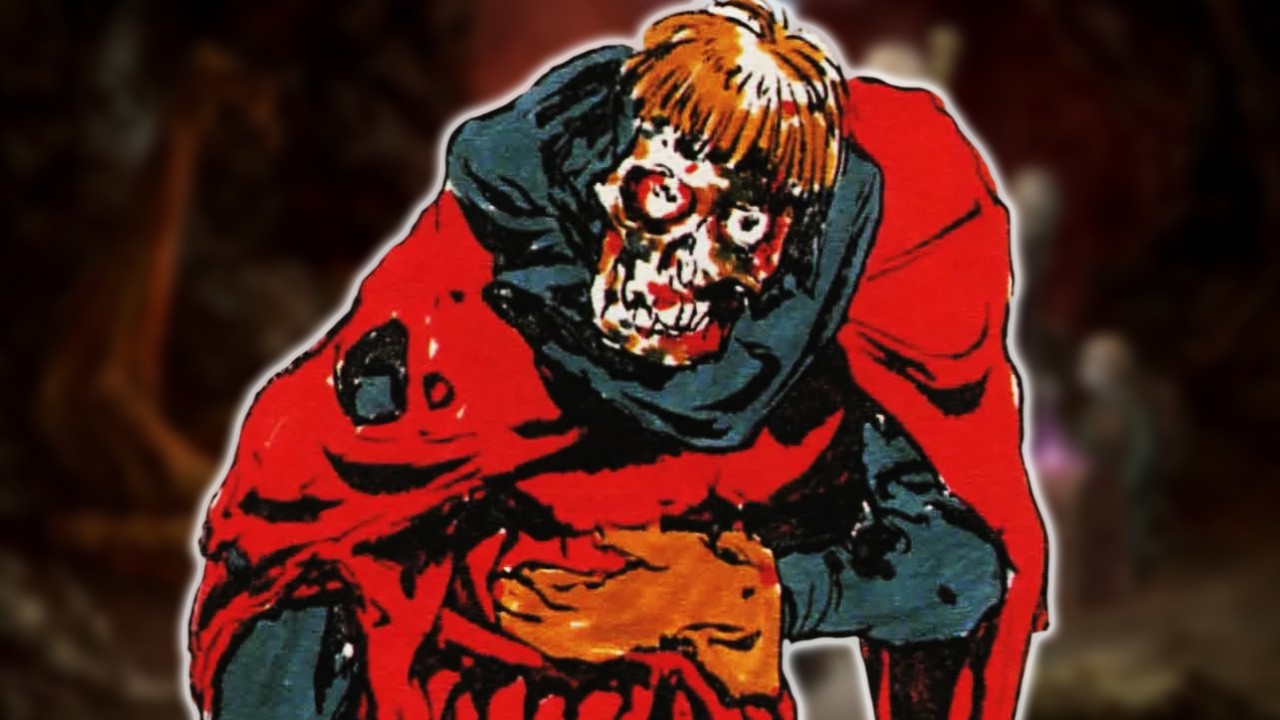
The game's hidden enemy Murphy's Ghost—found in a concealed alcove on the dungeon's first floor and summoned via an unusual altar—became notorious among players for its high experience yield and use as an early grinding target.
In a recent review of archival interviews and follow-up reporting, co-creator Robert Woodhead confirmed a long-running fan theory: Murphy's Ghost was named after real people who play-tested the game.
Woodhead stated that Andrew Greenberg lived in Risley Hall at Cornell University, where performing-arts students congregated, and that Greenberg's friends and dormmates formed an ad-hoc test group often called the Wizardry Advanced Research Group (WARG).
According to Woodhead, those friends helped test early builds and influenced the game's content.
Further reporting located Paul Murphy, one of the individuals Woodhead referenced.
Paul told the reporter he met Andrew Greenberg and Helen at Risley and confirmed that Helen did not participate in play-testing; consequently, he said the famous apparition was named after him.
Paraphrasing Paul Murphy: he recalled meeting Andy and Helen at Risley, remembered playing early text and dungeon games together, and said he was honored to have a character in Wizardry bear his name.
He also noted other in-jokes in the original game—monsters and locations named for friends and collaborators.
The discovery process included checking public records and an obituary that matched Helen's profile, which helped narrow the search to the correct region and community.
Paul confirmed he remains in touch with several early play-testers and acquaintances connected to Wizardry and Andrew Greenberg's circle.
Murphy's Ghost's reputation endured beyond the Apple II era; fans and historians cite later references and Easter eggs in other titles that nod to Wizardry's legacy, underscoring the game's cultural impact.
As classic RPGs continue to be revisited through remakes and compilations—including modern re-releases and preservation efforts—this reporting closes a loop between developer anecdotes and living contributors.
Additional, longer-form material from Paul Murphy is being arranged to document his full history with the series and the early PC RPG community.
Wizardry: Proving Grounds of the Mad Overlord was released in 1981 for the Apple II by Sir-Tech and was created by Robert Woodhead and Andrew Greenberg.
The game's hidden enemy Murphy's Ghost—found in a concealed alcove on the dungeon's first floor and summoned via an unusual altar—became notorious among players for its high experience yield and use as an early grinding target.
In a recent review of archival interviews and follow-up reporting, co-creator Robert Woodhead confirmed a long-running fan theory: Murphy's Ghost was named after real people who play-tested the game.
Woodhead stated that Andrew Greenberg lived in Risley Hall at Cornell University, where performing-arts students congregated, and that Greenberg's friends and dormmates formed an ad-hoc test group often called the Wizardry Advanced Research Group (WARG).
According to Woodhead, those friends helped test early builds and influenced the game's content.
Further reporting located Paul Murphy, one of the individuals Woodhead referenced.
Paul told the reporter he met Andrew Greenberg and Helen at Risley and confirmed that Helen did not participate in play-testing; consequently, he said the famous apparition was named after him.
Paraphrasing Paul Murphy: he recalled meeting Andy and Helen at Risley, remembered playing early text and dungeon games together, and said he was honored to have a character in Wizardry bear his name.
He also noted other in-jokes in the original game—monsters and locations named for friends and collaborators.
The discovery process included checking public records and an obituary that matched Helen's profile, which helped narrow the search to the correct region and community.
Paul confirmed he remains in touch with several early play-testers and acquaintances connected to Wizardry and Andrew Greenberg's circle.
Murphy's Ghost's reputation endured beyond the Apple II era; fans and historians cite later references and Easter eggs in other titles that nod to Wizardry's legacy, underscoring the game's cultural impact.
As classic RPGs continue to be revisited through remakes and compilations—including modern re-releases and preservation efforts—this reporting closes a loop between developer anecdotes and living contributors.
Additional, longer-form material from Paul Murphy is being arranged to document his full history with the series and the early PC RPG community.