Intro
Dungeons of Despair is the informal name given to an early beta of Sir‑Tech’s landmark RPG, Wizardry: Proving Grounds of the Mad Overlord.
Sold in extremely limited numbers at the Boston Apple Fest in June 1981, this early build preceded the official Apple II release in September 1981 and was intended purely as a market test.
The beta was distributed on 5¼‑inch disks with hand‑assembled packaging and manuals, and its scarcity has made it a focal point for preservationists and developers alike.
Early release and production numbers
Sir‑Tech co‑founders differ on exactly how many beta copies were produced.
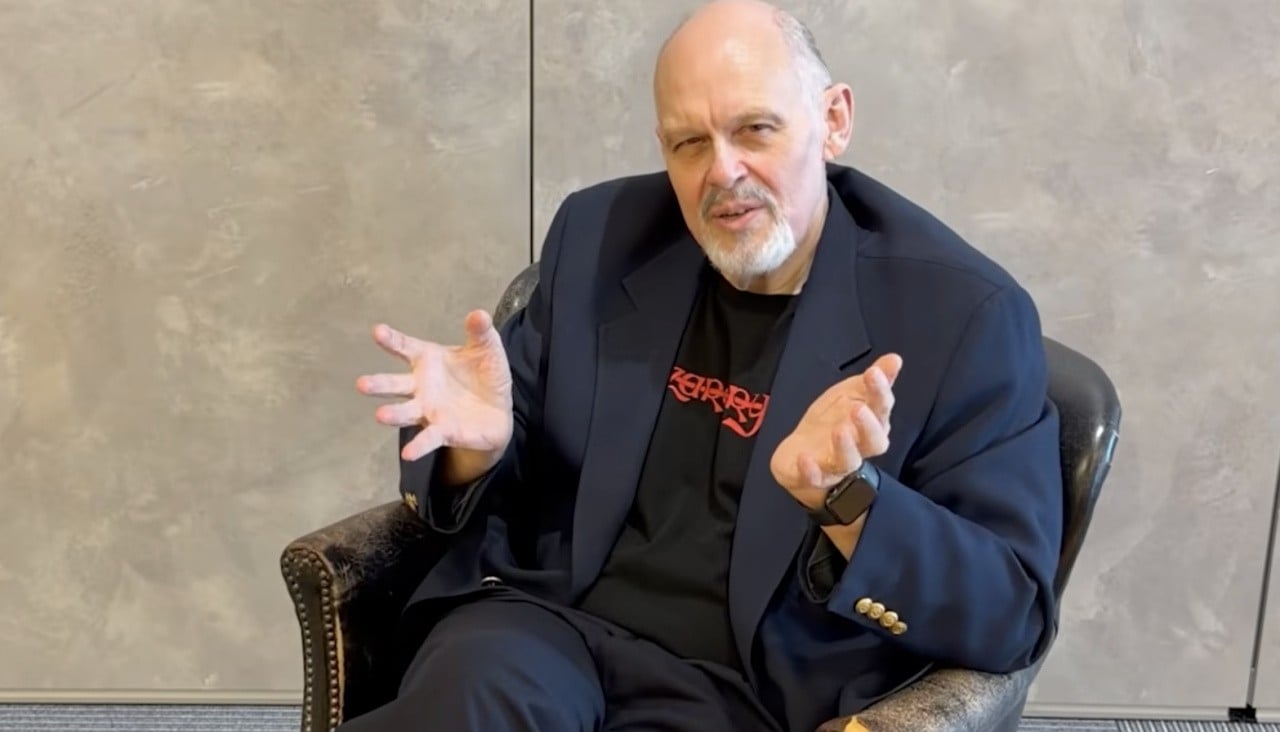
Wizardry co‑creator Robert Woodhead estimated only 50–60 copies were made, while Norman Sirotek put the figure closer to 200.
The purpose of the Boston Apple Fest distribution was explicit: sell a small run to finance the show, get the game into players’ hands across a wide range of Apple II configurations, and collect bug reports before replacing testers’ copies with the finished September release.
Developer recollections (rewritten)
Sirotek has explained that Woodhead wanted a real‑world testing window because the Apple II ecosystem varied dramatically by hardware add‑ons and memory cards.
In his account, they packed the van, made last‑minute adjustments the night before, and literally packaged disks and manuals in Ziploc bags at the hotel to have product ready for showgoers.
Woodhead described the beta as a functional but unbalanced test build that contained “everything in the kitchen sink” in the scenario database.
He said the beta’s aim was to exercise features and configurations rather than present final, balanced gameplay, meaning players could encounter extremely tough enemies very early in the dungeon.
Bug reports and immediate fixes
According to Sirotek, within 24 hours attendees reported a corrupted or “unset” monster that made the build unwinnable.
Woodhead located and patched that issue on the second night of the festival, after which they continued selling copies and collecting feedback.
Preservation attempts and current status
Digital Eclipse, which led a high‑profile 2024 Wizardry remake project, was unable to locate a surviving copy of Dungeons of Despair while preparing the remake.
Studio representatives and former staff, including Justin Bailey, have discussed ongoing searches, and Brenda Romero—who began her career at Sir‑Tech—confirmed she does not possess a copy.
Given the lack of confirmed surviving media, the beta may effectively be lost.
Legacy
Dungeons of Despair remains an important footnote in Wizardry’s history and in early PC game preservation.
While the mainstream release of Wizardry is well documented, the beta underscores how hand‑made distribution and real‑world testing shaped early development practices on the Apple II platform.
Dungeons of Despair is the informal name given to an early beta of Sir‑Tech’s landmark RPG, Wizardry: Proving Grounds of the Mad Overlord.
Sold in extremely limited numbers at the Boston Apple Fest in June 1981, this early build preceded the official Apple II release in September 1981 and was intended purely as a market test.
The beta was distributed on 5¼‑inch disks with hand‑assembled packaging and manuals, and its scarcity has made it a focal point for preservationists and developers alike.
Early release and production numbers
Sir‑Tech co‑founders differ on exactly how many beta copies were produced.
Wizardry co‑creator Robert Woodhead estimated only 50–60 copies were made, while Norman Sirotek put the figure closer to 200.
The purpose of the Boston Apple Fest distribution was explicit: sell a small run to finance the show, get the game into players’ hands across a wide range of Apple II configurations, and collect bug reports before replacing testers’ copies with the finished September release.
Developer recollections (rewritten)
Sirotek has explained that Woodhead wanted a real‑world testing window because the Apple II ecosystem varied dramatically by hardware add‑ons and memory cards.
In his account, they packed the van, made last‑minute adjustments the night before, and literally packaged disks and manuals in Ziploc bags at the hotel to have product ready for showgoers.
Woodhead described the beta as a functional but unbalanced test build that contained “everything in the kitchen sink” in the scenario database.
He said the beta’s aim was to exercise features and configurations rather than present final, balanced gameplay, meaning players could encounter extremely tough enemies very early in the dungeon.
Bug reports and immediate fixes
According to Sirotek, within 24 hours attendees reported a corrupted or “unset” monster that made the build unwinnable.
Woodhead located and patched that issue on the second night of the festival, after which they continued selling copies and collecting feedback.
Preservation attempts and current status
Digital Eclipse, which led a high‑profile 2024 Wizardry remake project, was unable to locate a surviving copy of Dungeons of Despair while preparing the remake.
Studio representatives and former staff, including Justin Bailey, have discussed ongoing searches, and Brenda Romero—who began her career at Sir‑Tech—confirmed she does not possess a copy.
Given the lack of confirmed surviving media, the beta may effectively be lost.
Legacy
Dungeons of Despair remains an important footnote in Wizardry’s history and in early PC game preservation.
While the mainstream release of Wizardry is well documented, the beta underscores how hand‑made distribution and real‑world testing shaped early development practices on the Apple II platform.