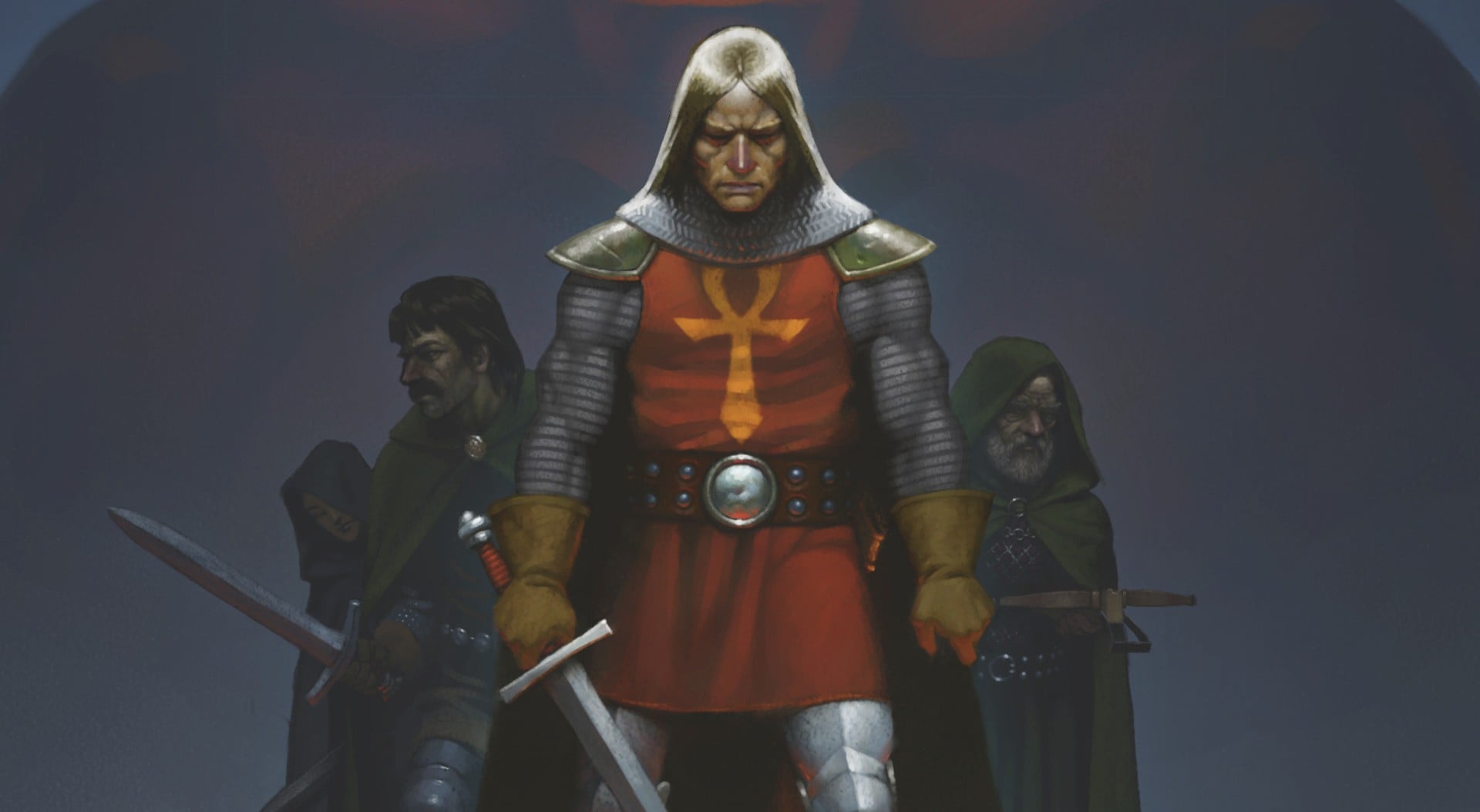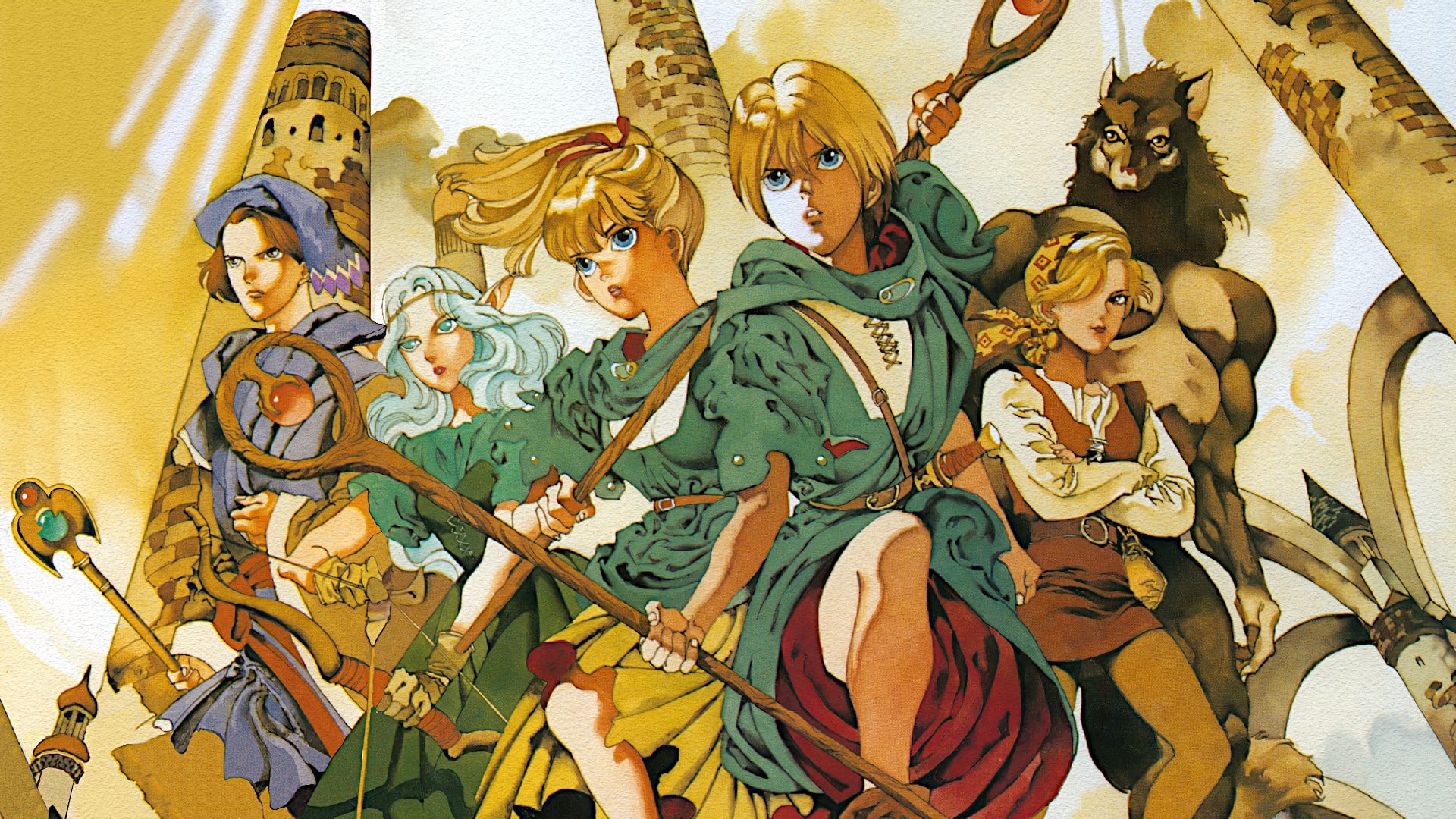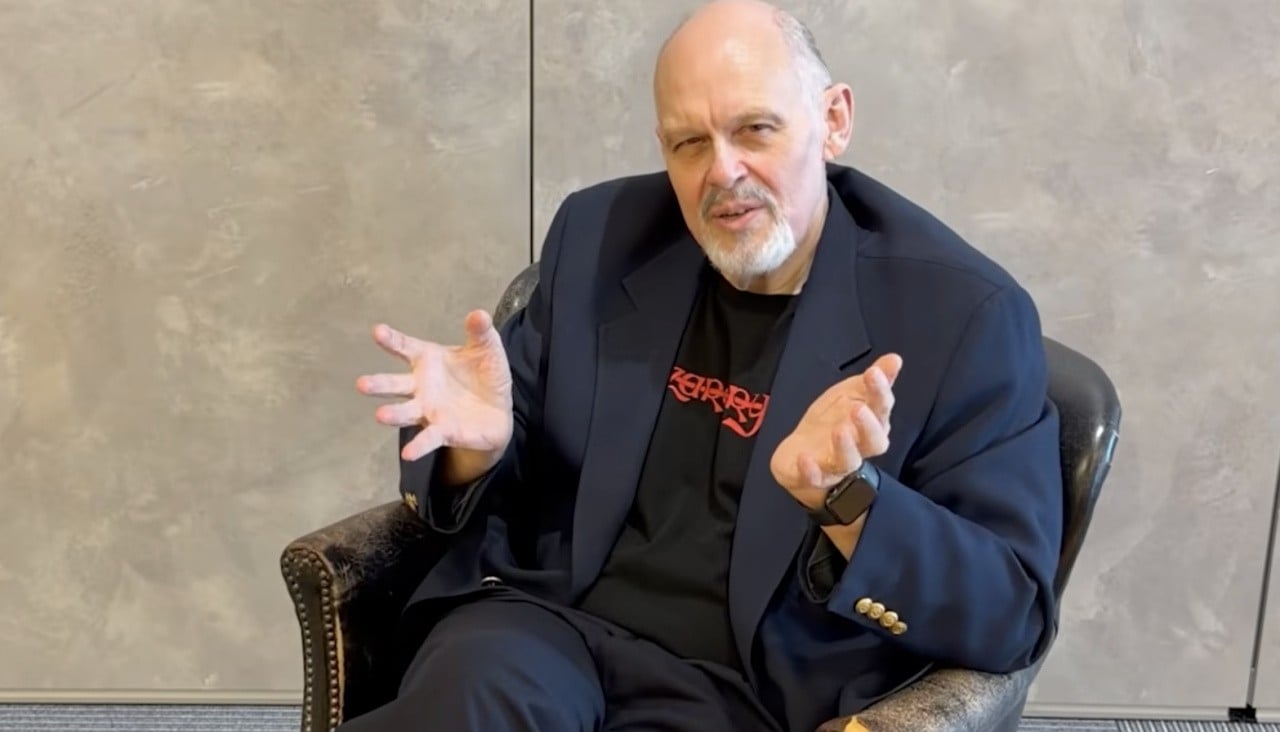

Robert Woodhead, co-creator of the seminal 1981 role‑playing game Wizardry, has published a reflective video on the series’ 45th anniversary that traces how the Apple II title changed his career and personal life.
Created with Andrew C.
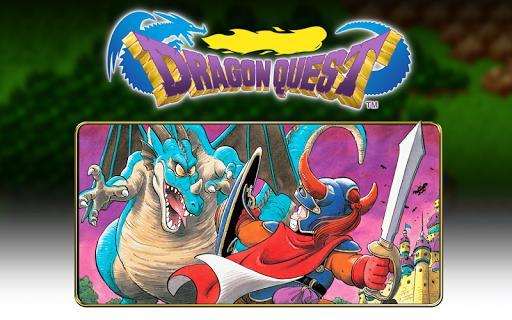
Greenberg while both were using the PLATO computer system at Cornell University, Wizardry became one of the foundational computer RPGs alongside contemporaries like Ultima and went on to influence major Japanese franchises such as Dragon Quest and Final Fantasy.
In the anniversary video posted on the Wizardry [Official] YouTube channel, Woodhead summarizes the surprise and scope of the game's impact.
He explains that neither he nor Greenberg expected Wizardry to be remembered decades later or to shape other developers’ approaches to RPG design.
The pair initially set out simply to capture the essence of tabletop role‑playing in a computer format, with Greenberg hoping early on that the game might at least help with his student debts.
Woodhead recounts that the title succeeded far beyond expectations, with sales reportedly strong enough to cover Greenberg’s loans almost immediately.
Woodhead also details how Wizardry opened unexpected doors.
He says the success led to visits to Japan and exposed him to anime, prompting him to start an anime company as a personal project.
He adds that those Japan trips required an interpreter—who later became his long‑term partner—illustrating how the game’s success shaped his personal life as well as his professional path.
Woodhead describes the freedom that came from Wizardry’s success as a ‘‘profound gift,’’ enabling creative pursuits driven by passion.
The video also touches on the ongoing life of the franchise.
Woodhead expresses hope for the teams working on modern entries, including Wizardry Variants Daphne, that they find the same unexpected opportunities and joy he experienced.
While Wizardry began on the Apple II, classic RPG properties frequently resurface on modern hardware, and many legacy titles find new audiences on platforms such as the Nintendo Switch and digital storefronts like the eShop, sometimes receiving renewed attention through events such as Nintendo Direct presentations.
For readers interested in deeper context, the original Apple II game’s history is documented in several interviews and making‑of features that include conversations with Woodhead and early publishers.
The 45th‑anniversary YouTube video provides a concise personal account of how a single indie project in 1981 rippled across gaming and life for its creators.
Created with Andrew C.
Greenberg while both were using the PLATO computer system at Cornell University, Wizardry became one of the foundational computer RPGs alongside contemporaries like Ultima and went on to influence major Japanese franchises such as Dragon Quest and Final Fantasy.
In the anniversary video posted on the Wizardry [Official] YouTube channel, Woodhead summarizes the surprise and scope of the game's impact.
He explains that neither he nor Greenberg expected Wizardry to be remembered decades later or to shape other developers’ approaches to RPG design.
The pair initially set out simply to capture the essence of tabletop role‑playing in a computer format, with Greenberg hoping early on that the game might at least help with his student debts.
Woodhead recounts that the title succeeded far beyond expectations, with sales reportedly strong enough to cover Greenberg’s loans almost immediately.
Woodhead also details how Wizardry opened unexpected doors.
He says the success led to visits to Japan and exposed him to anime, prompting him to start an anime company as a personal project.
He adds that those Japan trips required an interpreter—who later became his long‑term partner—illustrating how the game’s success shaped his personal life as well as his professional path.
Woodhead describes the freedom that came from Wizardry’s success as a ‘‘profound gift,’’ enabling creative pursuits driven by passion.
The video also touches on the ongoing life of the franchise.
Woodhead expresses hope for the teams working on modern entries, including Wizardry Variants Daphne, that they find the same unexpected opportunities and joy he experienced.
While Wizardry began on the Apple II, classic RPG properties frequently resurface on modern hardware, and many legacy titles find new audiences on platforms such as the Nintendo Switch and digital storefronts like the eShop, sometimes receiving renewed attention through events such as Nintendo Direct presentations.
For readers interested in deeper context, the original Apple II game’s history is documented in several interviews and making‑of features that include conversations with Woodhead and early publishers.
The 45th‑anniversary YouTube video provides a concise personal account of how a single indie project in 1981 rippled across gaming and life for its creators.