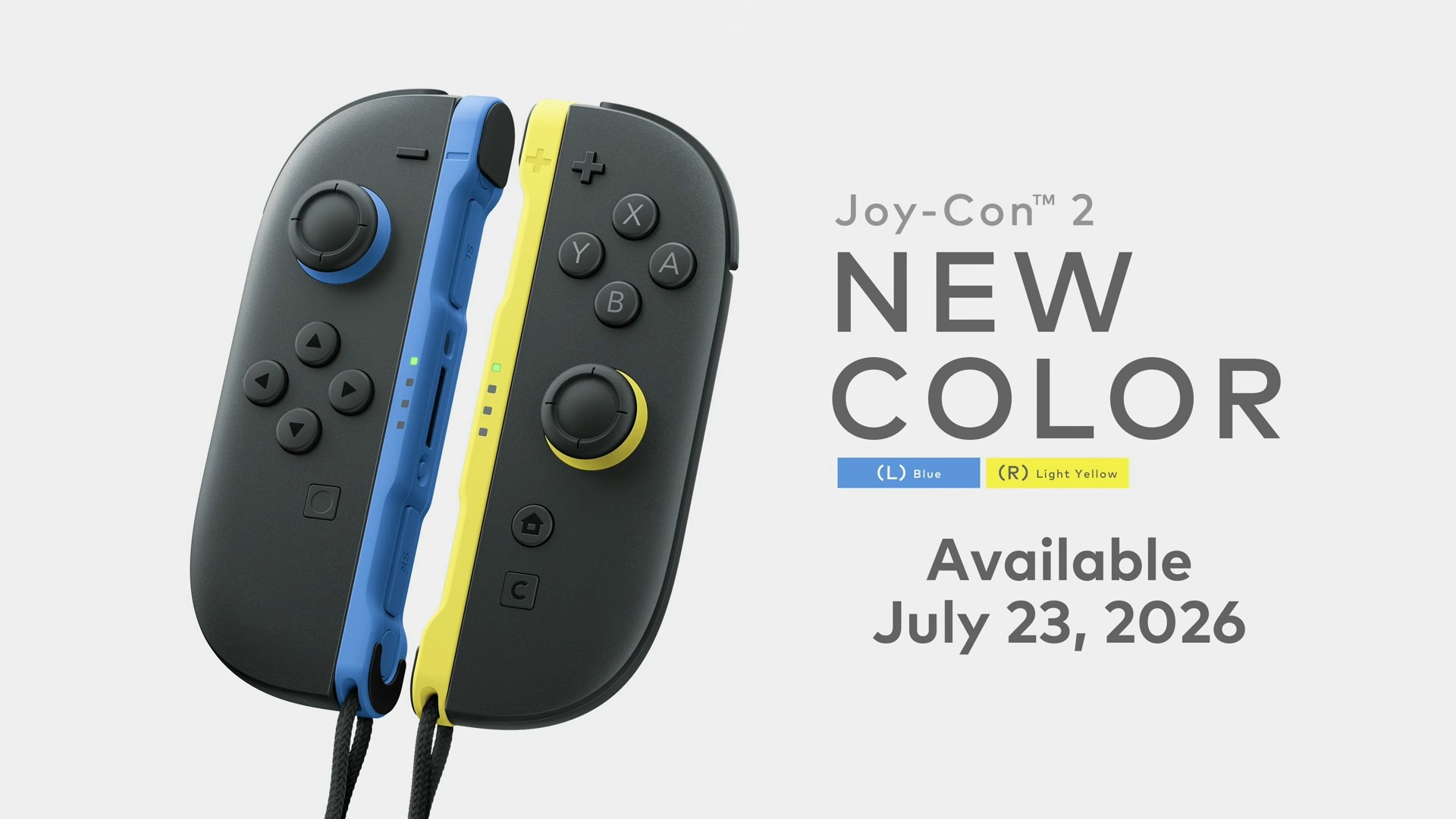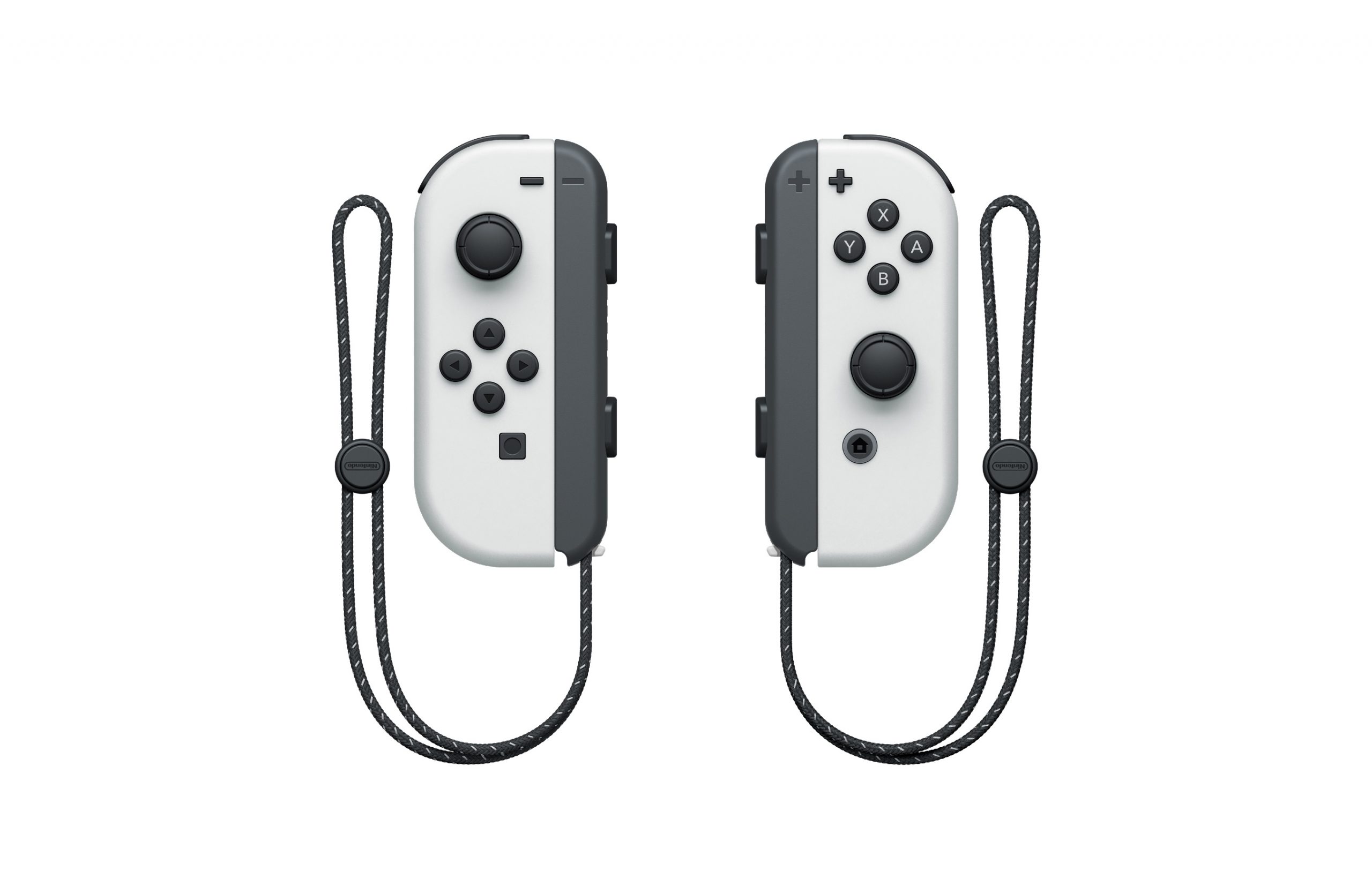


Two notable class-action style lawsuits over Joy-Con drift on Nintendo Switch controllers have been dismissed after the plaintiffs moved to end the cases, according to a report from Game File.
The suits, Diaz vs. Nintendo (filed in 2019) and Carbajal vs. Nintendo (filed in 2020), targeted Nintendo over alleged defects in Joy-Con hardware.
Game File reports that the parents who filed the suits on behalf of their children requested dismissal of both cases.
In journalistic terms, the outlet says the plaintiffs — acting for minors in the original complaints — formally moved to discontinue the litigation, and the courts have closed the matters accordingly.
The report does not specify the plaintiffs’ reasons for seeking dismissal.
Joy-Con drift has been a persistent topic in Nintendo coverage since the Nintendo Switch launched on March 3, 2017.
The issue occurs when a joystick registers movement without user input, causing in-game characters or camera views to move unexpectedly.
That behavior can be especially disruptive in precision platformers: for example, in Super Mario Odyssey (developed by Nintendo EPD and released on October 27, 2017 for Nintendo Switch), unwanted stick input can make jumps and platforming sections more difficult.
Nintendo has acknowledged Joy-Con drift publicly in the past and has offered repair services for affected controllers.
Users can send Joy-Con controllers to Nintendo’s official repair service for inspection and repair through regional support channels.
Over multiple hardware revisions and batches, Nintendo has continued to refine Joy-Con components and manufacturing processes to reduce the frequency of drift reports.
While the dismissals close these two particular legal challenges, Joy-Con drift remains an active support topic among some Switch owners.
Nintendo’s official support pages and regional service centers remain the primary routes for consumers seeking repairs.
For industry observers, the resolution of Diaz and Carbajal removes prominent cases from the docket but does not alter the technical reality that certain controllers can still develop drift over time.
This development is a noteworthy chapter in the broader history of the Nintendo Switch, a platform that has sold over 100 million units worldwide and sparked extensive discussion about controller durability, repair policies, and manufacturer quality control.
The suits, Diaz vs. Nintendo (filed in 2019) and Carbajal vs. Nintendo (filed in 2020), targeted Nintendo over alleged defects in Joy-Con hardware.
Game File reports that the parents who filed the suits on behalf of their children requested dismissal of both cases.
In journalistic terms, the outlet says the plaintiffs — acting for minors in the original complaints — formally moved to discontinue the litigation, and the courts have closed the matters accordingly.
The report does not specify the plaintiffs’ reasons for seeking dismissal.
Joy-Con drift has been a persistent topic in Nintendo coverage since the Nintendo Switch launched on March 3, 2017.
The issue occurs when a joystick registers movement without user input, causing in-game characters or camera views to move unexpectedly.
That behavior can be especially disruptive in precision platformers: for example, in Super Mario Odyssey (developed by Nintendo EPD and released on October 27, 2017 for Nintendo Switch), unwanted stick input can make jumps and platforming sections more difficult.
Nintendo has acknowledged Joy-Con drift publicly in the past and has offered repair services for affected controllers.
Users can send Joy-Con controllers to Nintendo’s official repair service for inspection and repair through regional support channels.
Over multiple hardware revisions and batches, Nintendo has continued to refine Joy-Con components and manufacturing processes to reduce the frequency of drift reports.
While the dismissals close these two particular legal challenges, Joy-Con drift remains an active support topic among some Switch owners.
Nintendo’s official support pages and regional service centers remain the primary routes for consumers seeking repairs.
For industry observers, the resolution of Diaz and Carbajal removes prominent cases from the docket but does not alter the technical reality that certain controllers can still develop drift over time.
This development is a noteworthy chapter in the broader history of the Nintendo Switch, a platform that has sold over 100 million units worldwide and sparked extensive discussion about controller durability, repair policies, and manufacturer quality control.