Nintendo has been ordered to pay €35 million by French authorities following an investigation into Joy-Con drift on the Nintendo Switch.
The ruling, issued by the Directorate General for Competition, Consumer Affairs and Fraud Control (DGCCRF), follows a consumer complaint lodged by UFC-Que Choisir in September 2020 and a subsequent probe by the agency's National Investigation Service (SNE).
Background and timeline
The Nintendo Switch launched in March 2017 and quickly became a commercial success, but a persistent hardware issue known as "Joy-Con drift"—where an analog stick registers input without user interaction or loses responsiveness—surfaced in the years after release.
According to the DGCCRF investigation, Nintendo of Europe engaged in misleading commercial practices from 2018 through 2023 by not adequately informing consumers that certain Joy-Con controllers could malfunction.
The regulator's findings concluded the company began acknowledging the scope of the problem only in 2020, several years after reports first emerged.
Regulatory findings and rewritten statements
The SNE determined Nintendo failed to clearly warn buyers that some Joy-Con units might suffer from drift.
The watchdog said Nintendo's communications emphasized a technical fault that left some Switch controllers unresponsive, and that this approach discouraged customers from contacting Nintendo's after-sales service and in some cases led consumers to purchase replacement controllers rather than seek repairs.
As a result of the investigation, Nintendo accepted a settlement requiring a €35 million payment and an agreement to publish a press release on its French homepage explaining the outcome.
The company has publicly accepted the settlement terms.
Context and industry implications
Joy-Con drift became a widely discussed consumer and legal concern during the Switch era, prompting multiple lawsuits internationally.
Many of those legal actions either did not progress or were decided in Nintendo's favor; this DGCCRF ruling represents a significant regulatory rebuke in Europe tied specifically to communications and commercial practices in France.
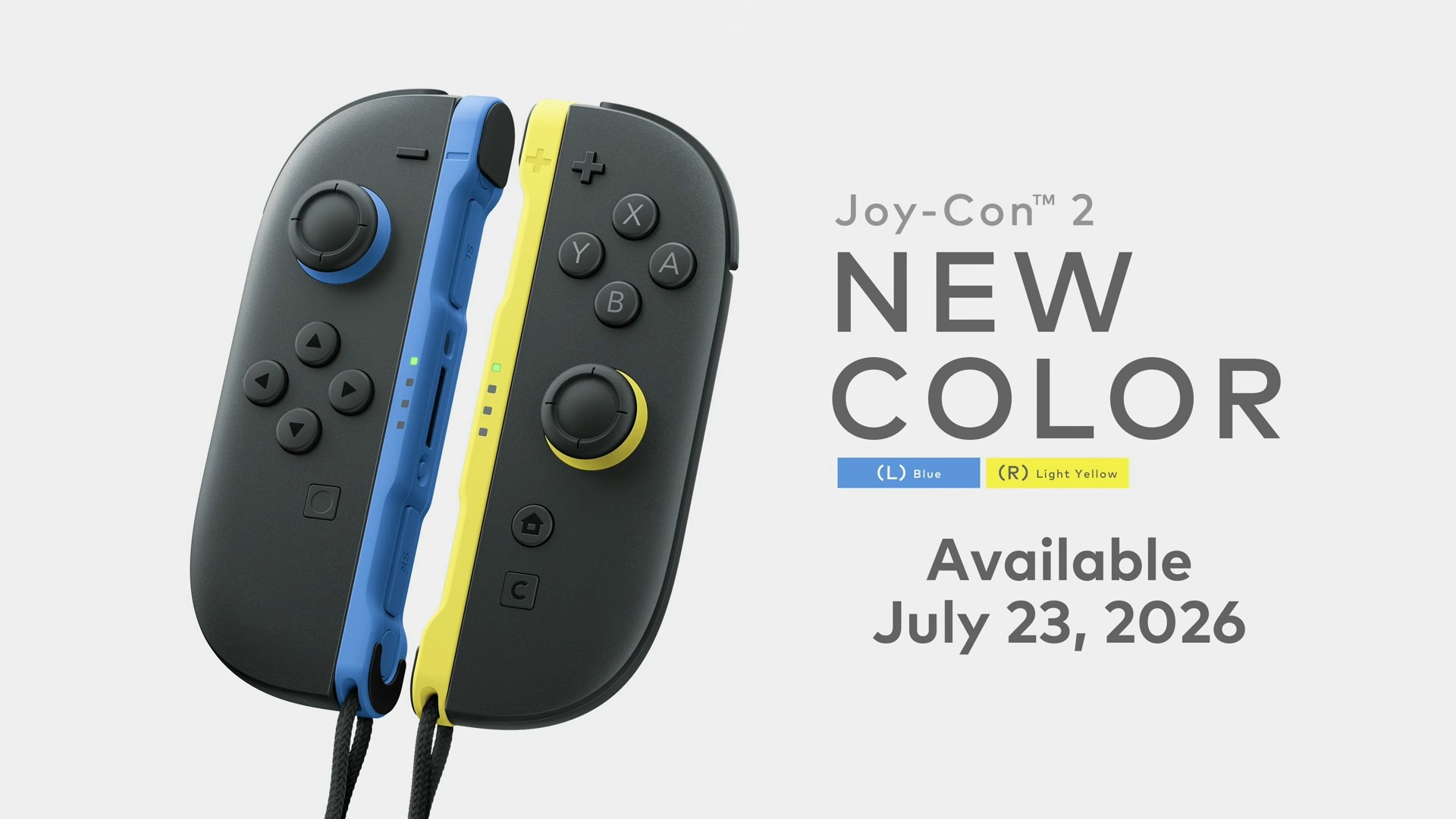
For Switch owners affected by drift, the condition typically manifests as unintended movement or loss of precision on the analog sticks.
Consumers seeking remedies in France will now see a formal regulatory acknowledgment of the issue and Nintendo's commitment to publish the regulator's message on its French site.
This decision reinforces scrutiny from European consumer protection bodies on how hardware manufacturers communicate known defects to users and handle after-sales support.
The DGCCRF ruling and Nintendo's settlement will be a notable reference point for manufacturers and consumer groups monitoring hardware reliability and corporate communications.
The ruling, issued by the Directorate General for Competition, Consumer Affairs and Fraud Control (DGCCRF), follows a consumer complaint lodged by UFC-Que Choisir in September 2020 and a subsequent probe by the agency's National Investigation Service (SNE).
Background and timeline
The Nintendo Switch launched in March 2017 and quickly became a commercial success, but a persistent hardware issue known as "Joy-Con drift"—where an analog stick registers input without user interaction or loses responsiveness—surfaced in the years after release.
According to the DGCCRF investigation, Nintendo of Europe engaged in misleading commercial practices from 2018 through 2023 by not adequately informing consumers that certain Joy-Con controllers could malfunction.
The regulator's findings concluded the company began acknowledging the scope of the problem only in 2020, several years after reports first emerged.
Regulatory findings and rewritten statements
The SNE determined Nintendo failed to clearly warn buyers that some Joy-Con units might suffer from drift.
The watchdog said Nintendo's communications emphasized a technical fault that left some Switch controllers unresponsive, and that this approach discouraged customers from contacting Nintendo's after-sales service and in some cases led consumers to purchase replacement controllers rather than seek repairs.
As a result of the investigation, Nintendo accepted a settlement requiring a €35 million payment and an agreement to publish a press release on its French homepage explaining the outcome.
The company has publicly accepted the settlement terms.
Context and industry implications
Joy-Con drift became a widely discussed consumer and legal concern during the Switch era, prompting multiple lawsuits internationally.
Many of those legal actions either did not progress or were decided in Nintendo's favor; this DGCCRF ruling represents a significant regulatory rebuke in Europe tied specifically to communications and commercial practices in France.
For Switch owners affected by drift, the condition typically manifests as unintended movement or loss of precision on the analog sticks.
Consumers seeking remedies in France will now see a formal regulatory acknowledgment of the issue and Nintendo's commitment to publish the regulator's message on its French site.
This decision reinforces scrutiny from European consumer protection bodies on how hardware manufacturers communicate known defects to users and handle after-sales support.
The DGCCRF ruling and Nintendo's settlement will be a notable reference point for manufacturers and consumer groups monitoring hardware reliability and corporate communications.