Introduction
Nintendo of Europe has agreed to a €35 million settlement with French authorities over the long-running Joy-Con drift controversy affecting the Nintendo Switch.
The payment follows an investigation by France’s General Directorate for Competition, Consumer Affairs and Fraud Control (DGCCRF) into whether Nintendo provided misleading information to consumers about controller defects.
Background and timeline
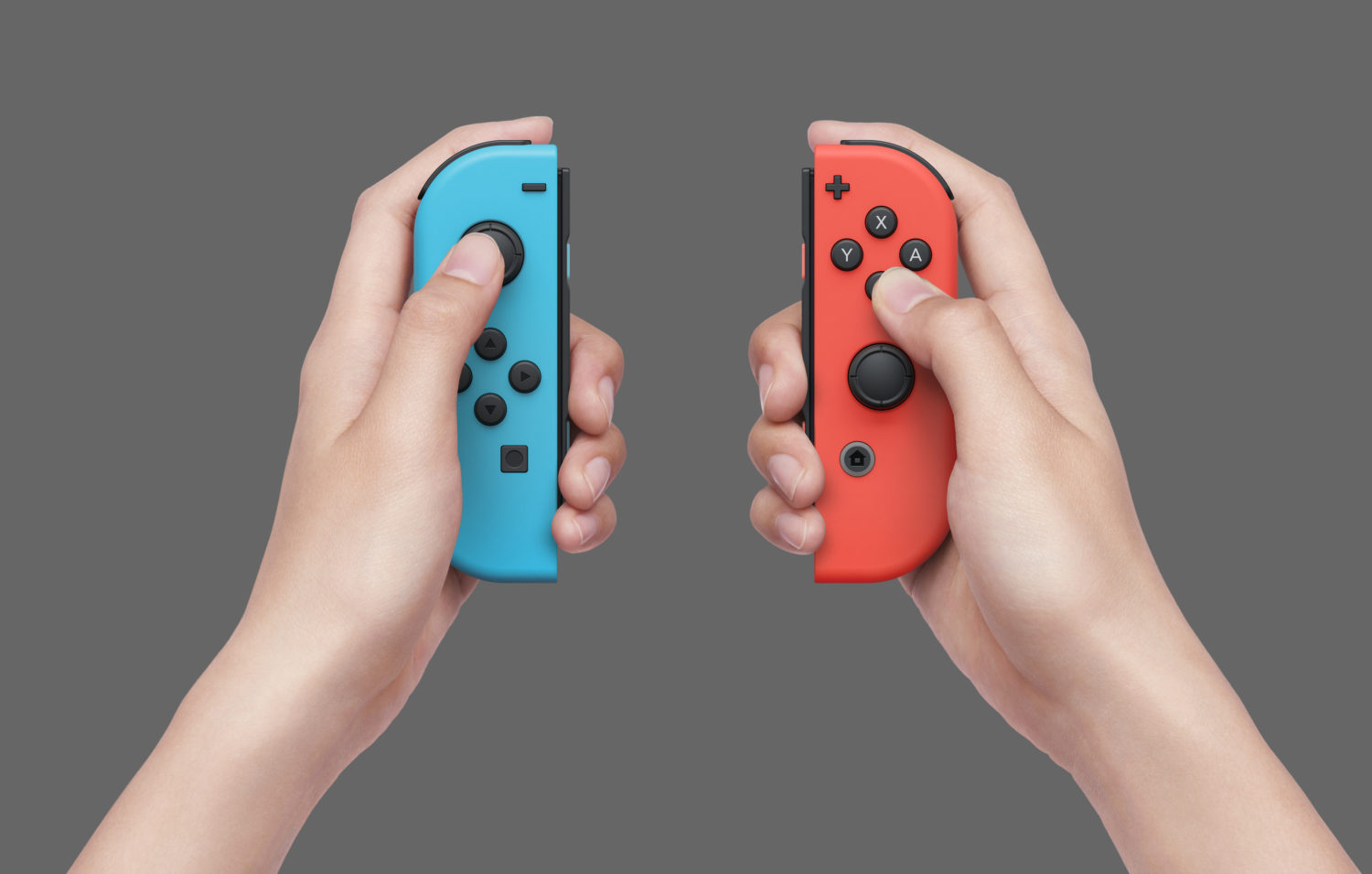
The Nintendo Switch launched on March 3, 2017, with its detachable Joy-Con controllers becoming a defining feature of the platform.
Reports of analogue stick input issues, commonly termed “Joy‑Con drift,” became widespread in the years after launch, with consumer complaints and service requests increasing notably around 2019 and 2020.
The DGCCRF investigation examined whether Nintendo informed customers and acted appropriately once it was aware of the problem.
DGCCRF findings and alleged conduct
According to the DGCCRF, its inquiry concluded that Nintendo knew about Joy‑Con drift issues as early as 2018 but did not make that information public until 2020.
The regulator alleged this lack of transparency caused some consumers to purchase replacement controllers unnecessarily.
As a result of its findings, Nintendo of Europe agreed to a €35 million payment to resolve the matter with French authorities.
Nintendo’s response (paraphrased)
Nintendo has agreed to the settlement but rejected allegations of intentional wrongdoing.
The company said the payment should not be read as an admission of guilt and described the arrangement as an amicable resolution of the legal proceedings.
In other words, Nintendo maintains it did not deliberately mislead consumers even as it accepted the financial settlement with the DGCCRF.
Context and industry implications
Joy‑Con drift became one of the most visible hardware-quality controversies for a major console in recent years, prompting warranty inquiries and legal scrutiny in multiple jurisdictions.
The Switch remains Nintendo’s best-selling platform to date, and the Joy‑Con design has been integral to the console’s hybrid, handheld-and-TV play model.
This settlement underlines how consumer protection authorities in Europe continue to scrutinize hardware reliability and company communications.
Conclusion
The €35 million settlement closes this chapter of the DGCCRF’s investigation into Joy‑Con drift in Europe, while Nintendo maintains its stance that the payment does not equate to an admission of deliberate deception.
For Switch owners and industry observers, the case highlights the commercial and regulatory risks associated with persistent hardware issues on a major gaming platform.
Nintendo of Europe has agreed to a €35 million settlement with French authorities over the long-running Joy-Con drift controversy affecting the Nintendo Switch.
The payment follows an investigation by France’s General Directorate for Competition, Consumer Affairs and Fraud Control (DGCCRF) into whether Nintendo provided misleading information to consumers about controller defects.
Background and timeline
The Nintendo Switch launched on March 3, 2017, with its detachable Joy-Con controllers becoming a defining feature of the platform.
Reports of analogue stick input issues, commonly termed “Joy‑Con drift,” became widespread in the years after launch, with consumer complaints and service requests increasing notably around 2019 and 2020.
The DGCCRF investigation examined whether Nintendo informed customers and acted appropriately once it was aware of the problem.
DGCCRF findings and alleged conduct
According to the DGCCRF, its inquiry concluded that Nintendo knew about Joy‑Con drift issues as early as 2018 but did not make that information public until 2020.
The regulator alleged this lack of transparency caused some consumers to purchase replacement controllers unnecessarily.
As a result of its findings, Nintendo of Europe agreed to a €35 million payment to resolve the matter with French authorities.
Nintendo’s response (paraphrased)
Nintendo has agreed to the settlement but rejected allegations of intentional wrongdoing.
The company said the payment should not be read as an admission of guilt and described the arrangement as an amicable resolution of the legal proceedings.
In other words, Nintendo maintains it did not deliberately mislead consumers even as it accepted the financial settlement with the DGCCRF.
Context and industry implications
Joy‑Con drift became one of the most visible hardware-quality controversies for a major console in recent years, prompting warranty inquiries and legal scrutiny in multiple jurisdictions.
The Switch remains Nintendo’s best-selling platform to date, and the Joy‑Con design has been integral to the console’s hybrid, handheld-and-TV play model.
This settlement underlines how consumer protection authorities in Europe continue to scrutinize hardware reliability and company communications.
Conclusion
The €35 million settlement closes this chapter of the DGCCRF’s investigation into Joy‑Con drift in Europe, while Nintendo maintains its stance that the payment does not equate to an admission of deliberate deception.
For Switch owners and industry observers, the case highlights the commercial and regulatory risks associated with persistent hardware issues on a major gaming platform.