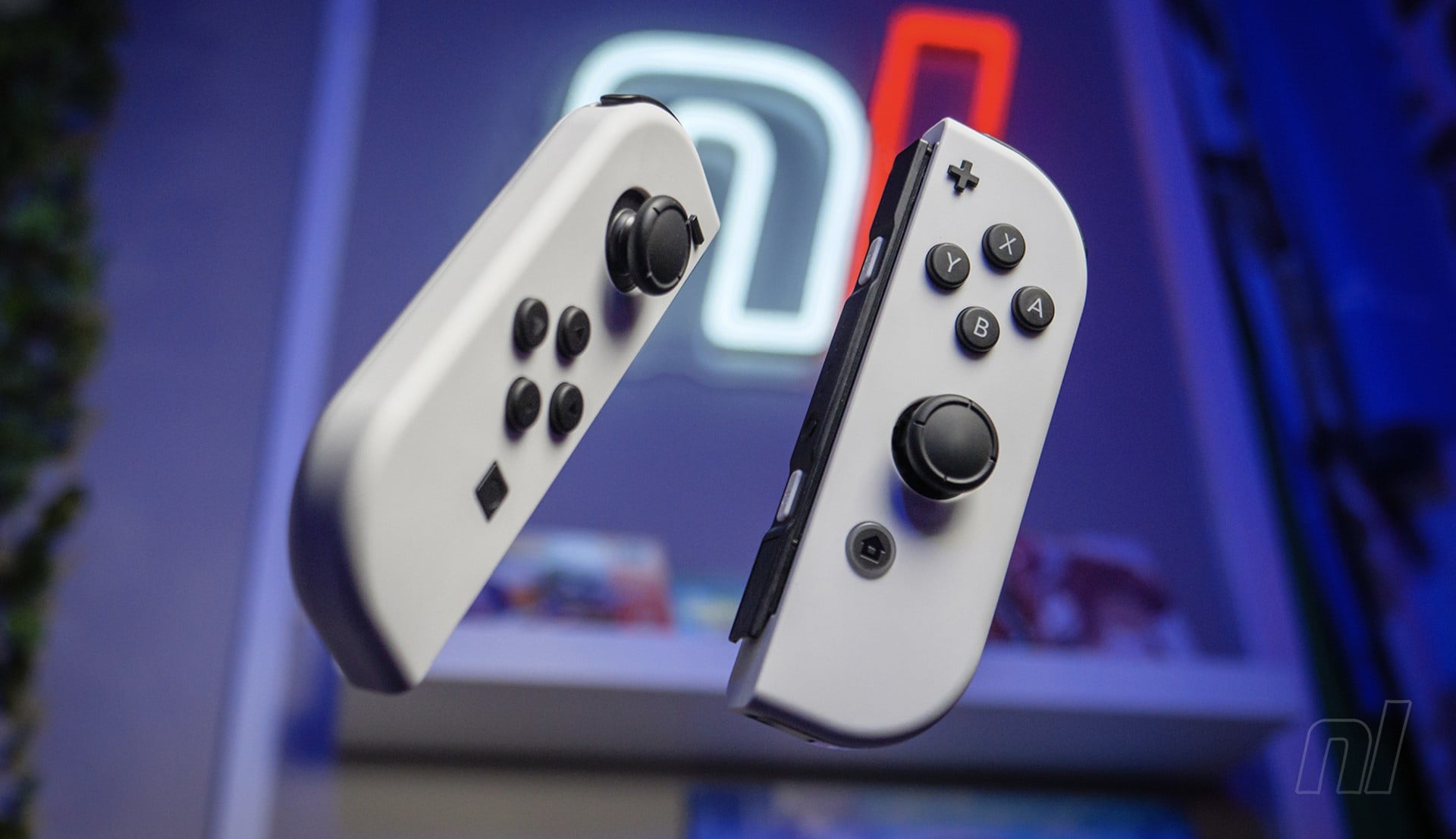
Nintendo has been ordered to pay a €35 million fine after France's General Directorate for Competition, Consumer Affairs and Fraud Control (DGCCRF) concluded the company misled customers about persistent Joy‑Con drifting problems affecting the Nintendo Switch.
The Switch, which launched on March 3, 2017, has faced widespread reports of analog stick drift on its detachable Joy‑Con controllers for several years, prompting consumer complaints and regulatory scrutiny in multiple countries.
According to reporting in Le Monde, the DGCCRF's investigation determined that Nintendo may have been aware of Joy‑Con defects as early as 2018 but did not adequately inform or protect consumers until 2020.
The French consumer association UFC‑Que Choisir filed an official complaint in 2019, alleging that Nintendo engaged in "planned obsolescence," a claim that the association defined as manufacturing products with a deliberately limited lifespan to force replacements.
The DGCCRF's action culminated in a €35 million penalty — roughly just over $40 million — tied to the regulator's findings.
French outlets report the fine followed an examination of the company's communication and repair policies relating to Joy‑Con drift.
Nintendo issued a formal response that was characterized in company filings and public statements as a rejection of wrongdoing.
The company stated that the payment "does not constitute an admission of guilt and reflects only the amicable resolution of legal proceedings." In journalistic terms, Nintendo has framed the settlement as a legal and financial resolution rather than an acknowledgment of liability.
Financial disclosures accompanying the company's latest balance sheet referenced a ¥6.4 billion "loss on litigation," a figure that aligns closely with the French fine when converted into yen and was noted by observers including the Nintendo Patents Watch feed.
That item appears in Nintendo's published accounts as part of broader legal and operational reporting.
This ruling marks a significant regulatory outcome in the ongoing saga over Joy‑Con drift, reinforcing the scrutiny manufacturers face over product durability and consumer remedies.
The DGCCRF decision, the UFC‑Que Choisir complaint from 2019, and Nintendo's public statements are all documented components of the case.
As this matter proceeds to legal and financial closure, the fine stands as one of the most notable regulatory penalties tied to a hardware defect in the current console generation.
The Switch, which launched on March 3, 2017, has faced widespread reports of analog stick drift on its detachable Joy‑Con controllers for several years, prompting consumer complaints and regulatory scrutiny in multiple countries.
According to reporting in Le Monde, the DGCCRF's investigation determined that Nintendo may have been aware of Joy‑Con defects as early as 2018 but did not adequately inform or protect consumers until 2020.
The French consumer association UFC‑Que Choisir filed an official complaint in 2019, alleging that Nintendo engaged in "planned obsolescence," a claim that the association defined as manufacturing products with a deliberately limited lifespan to force replacements.
The DGCCRF's action culminated in a €35 million penalty — roughly just over $40 million — tied to the regulator's findings.
French outlets report the fine followed an examination of the company's communication and repair policies relating to Joy‑Con drift.
Nintendo issued a formal response that was characterized in company filings and public statements as a rejection of wrongdoing.
The company stated that the payment "does not constitute an admission of guilt and reflects only the amicable resolution of legal proceedings." In journalistic terms, Nintendo has framed the settlement as a legal and financial resolution rather than an acknowledgment of liability.
Financial disclosures accompanying the company's latest balance sheet referenced a ¥6.4 billion "loss on litigation," a figure that aligns closely with the French fine when converted into yen and was noted by observers including the Nintendo Patents Watch feed.
That item appears in Nintendo's published accounts as part of broader legal and operational reporting.
This ruling marks a significant regulatory outcome in the ongoing saga over Joy‑Con drift, reinforcing the scrutiny manufacturers face over product durability and consumer remedies.
The DGCCRF decision, the UFC‑Que Choisir complaint from 2019, and Nintendo's public statements are all documented components of the case.
As this matter proceeds to legal and financial closure, the fine stands as one of the most notable regulatory penalties tied to a hardware defect in the current console generation.