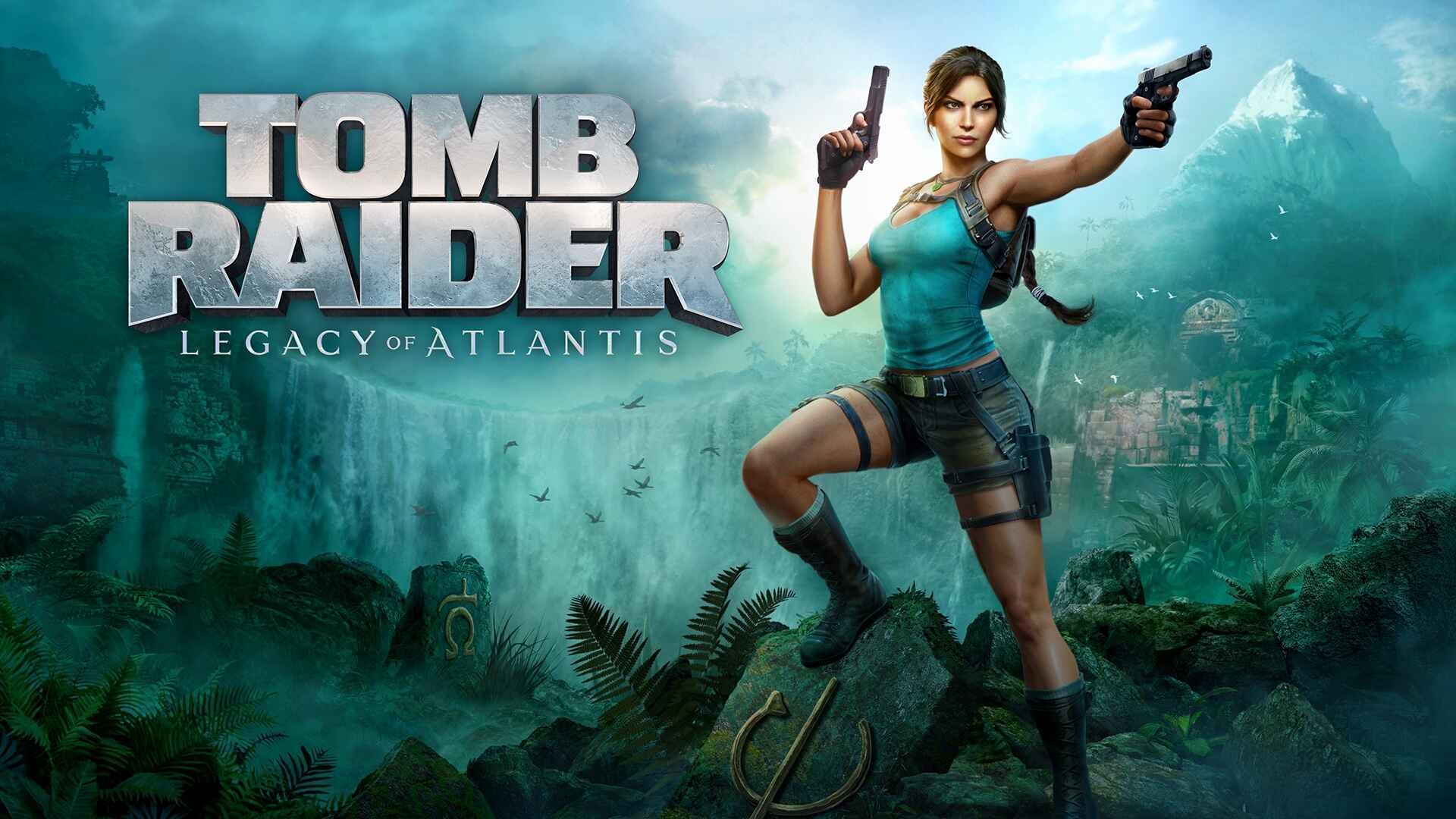
Crystal Dynamics' upcoming Tomb Raider: Legacy of Atlantis has become the center of a discussion about generative AI in game development after the studio acknowledged using AI-assisted tools on the project.
The disclosure, reflected on the game's store page and reinforced during an interview excerpt published by Game Informer, has prompted scrutiny from players and industry observers as studios integrate new workflows ahead of major releases.
Crystal Dynamics is best known for leading the modern Tomb Raider relaunch era, and Legacy of Atlantis is being positioned as a reimagining in that lineage.
In a clip published by Game Informer, experience director Jeff Adams described the studio's approach to generative AI as a productivity tool.
Paraphrasing his remarks: Adams said Crystal Dynamics treats AI as an instrument to accelerate iteration, allowing teams to visualize ideas quickly—such as repositioning environmental objects—before committing to their established development pipeline.
He emphasized that AI-generated material serves as a visualization aid, with subsequent assets undergoing human refinement and integration into the project's traditional toolchain.
When Game Informer pressed on how an AI-generated object interacts with the engine—whether it arrives with scripts or functions as an environmental art placeholder—the conversation was cut short by a studio PR representative.
The PR spokesperson told the outlet that the studio preferred not to expand on the subject at this stage and that the team would likely be more forthcoming once the game is released and the final product is public.
According to the game's store page, Crystal Dynamics has stated some generative AI content was used but has been "replaced or refined by humans."
The report also notes platform information on the store listing, which includes a planned release for Nintendo Switch 2 next year.
Crystal Dynamics and publisher communications have framed Legacy of Atlantis as a reimagining rather than a straightforward remake, aligning with their recent messaging about the franchise.
Use of generative AI in AAA development has become a recurring industry topic as studios balance workflow gains against creative control and legal considerations.
In this instance, Crystal Dynamics' transparency on the store page and comments from an experience director provide concrete statements the community can evaluate.
Fans and industry watchers will likely look for further details as Legacy of Atlantis approaches launch and as Crystal Dynamics releases more assets and developer commentary through channels such as official updates and potential Nintendo Direct or eShop listings.
The disclosure, reflected on the game's store page and reinforced during an interview excerpt published by Game Informer, has prompted scrutiny from players and industry observers as studios integrate new workflows ahead of major releases.
Crystal Dynamics is best known for leading the modern Tomb Raider relaunch era, and Legacy of Atlantis is being positioned as a reimagining in that lineage.
In a clip published by Game Informer, experience director Jeff Adams described the studio's approach to generative AI as a productivity tool.
Paraphrasing his remarks: Adams said Crystal Dynamics treats AI as an instrument to accelerate iteration, allowing teams to visualize ideas quickly—such as repositioning environmental objects—before committing to their established development pipeline.
He emphasized that AI-generated material serves as a visualization aid, with subsequent assets undergoing human refinement and integration into the project's traditional toolchain.
When Game Informer pressed on how an AI-generated object interacts with the engine—whether it arrives with scripts or functions as an environmental art placeholder—the conversation was cut short by a studio PR representative.
The PR spokesperson told the outlet that the studio preferred not to expand on the subject at this stage and that the team would likely be more forthcoming once the game is released and the final product is public.
According to the game's store page, Crystal Dynamics has stated some generative AI content was used but has been "replaced or refined by humans."
The report also notes platform information on the store listing, which includes a planned release for Nintendo Switch 2 next year.
Crystal Dynamics and publisher communications have framed Legacy of Atlantis as a reimagining rather than a straightforward remake, aligning with their recent messaging about the franchise.
Use of generative AI in AAA development has become a recurring industry topic as studios balance workflow gains against creative control and legal considerations.
In this instance, Crystal Dynamics' transparency on the store page and comments from an experience director provide concrete statements the community can evaluate.
Fans and industry watchers will likely look for further details as Legacy of Atlantis approaches launch and as Crystal Dynamics releases more assets and developer commentary through channels such as official updates and potential Nintendo Direct or eShop listings.