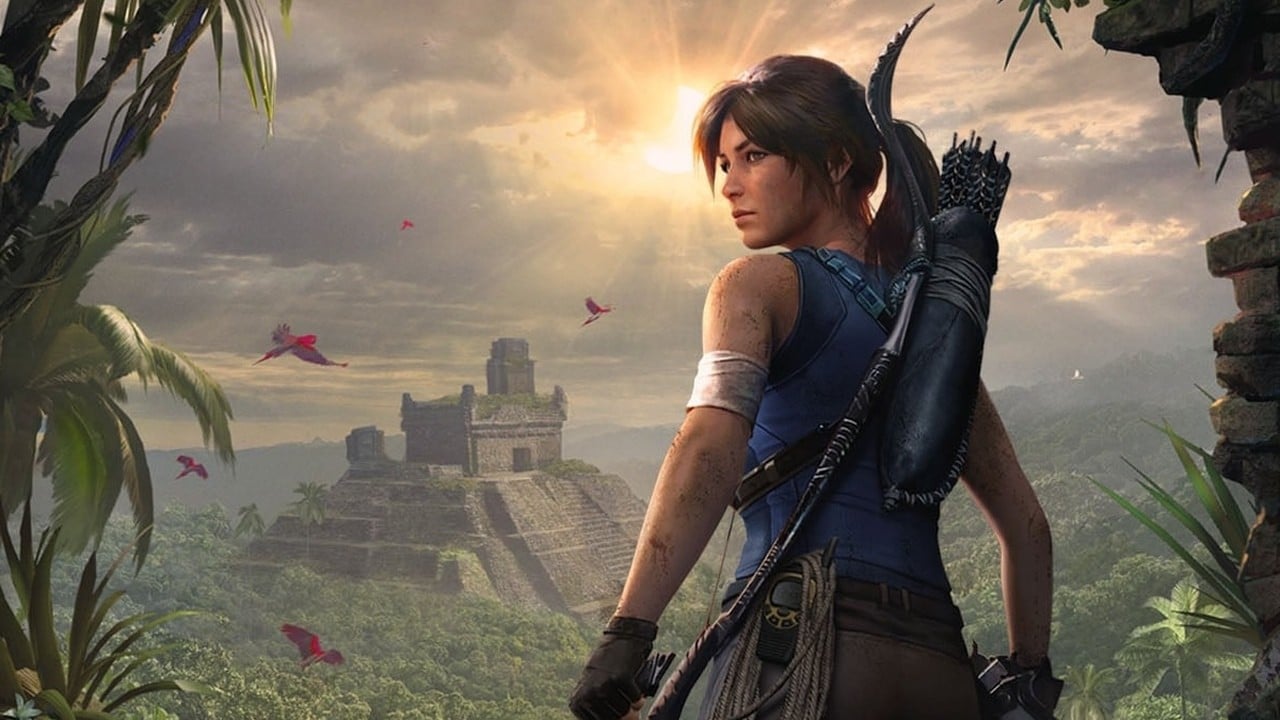



Rise of the Tomb Raider, the 2015 action-adventure developed by Crystal Dynamics and ported to multiple platforms, is available on Nintendo Switch 2 through Aspyr’s port.
Aspyr recently spoke to Nintendo Everything to explain why the Switch 2 version of Rise of the Tomb Raider is locked at 30 frames per second (FPS) rather than running at 60 FPS or an intermediate target.
Background and platform history
Rise of the Tomb Raider originally launched on Xbox consoles on November 10, 2015, with a PC release following in January 2016 and a PlayStation 4 release later in 2016.
The title has seen a range of technical profiles across platforms: the PC build supports an unlocked frame rate, and the game could run at higher frame rates on more powerful hardware such as the PS4 Pro.
Aspyr handled the more recent Nintendo Switch 2 port, which is distributed on the console’s eShop.
Aspyr on performance trade-offs
Aspyr producer manager Anna Grant and senior game producer Kay Gilmore told Nintendo Everything that the studio spent months attempting to achieve a consistent 60 FPS on Switch 2.
They said the team prioritized delivering the best possible version of Rise of the Tomb Raider for the console rather than pushing frame rate at the expense of visual quality.
In journalistic terms, Aspyr summarized their findings this way: the development team invested significant time trying to reach a steady 60 FPS, but the game’s heavier GPU demands meant that attaining that target would have required major concessions in visual fidelity.
Drawing on player feedback from earlier releases — including criticism surrounding visual compromises on past Tomb Raider ports — the team chose to maintain image quality and a consistent 30 FPS experience on Switch 2.
Aspyr also evaluated an unlocked frame-rate option but concluded it would produce inconsistent results.
According to the studio, allowing the frame rate to float introduced stuttering and uneven performance during busy action sequences, which would have harmed immersion.
For those reasons, the studio decided not to ship an unlocked or variable frame-rate mode for the Switch 2 release.
What this means for players
Players who prioritize a steady 60 FPS will find the Switch 2 version locked to 30 FPS, while PC and higher-end console versions remain the best options for unlocked or higher frame rates.
Aspyr’s public explanation frames the decision as a trade-off between visual fidelity and performance consistency, with the studio opting to avoid the compromises and instability that a 60 FPS goal would have demanded.
Aspyr has previously discussed other Tomb Raider releases with outlets, including conversations about Tomb Raider: Definitive Edition, underscoring the studio’s experience porting legacy Tomb Raider titles to modern platforms.
Aspyr recently spoke to Nintendo Everything to explain why the Switch 2 version of Rise of the Tomb Raider is locked at 30 frames per second (FPS) rather than running at 60 FPS or an intermediate target.
Background and platform history
Rise of the Tomb Raider originally launched on Xbox consoles on November 10, 2015, with a PC release following in January 2016 and a PlayStation 4 release later in 2016.
The title has seen a range of technical profiles across platforms: the PC build supports an unlocked frame rate, and the game could run at higher frame rates on more powerful hardware such as the PS4 Pro.
Aspyr handled the more recent Nintendo Switch 2 port, which is distributed on the console’s eShop.
Aspyr on performance trade-offs
Aspyr producer manager Anna Grant and senior game producer Kay Gilmore told Nintendo Everything that the studio spent months attempting to achieve a consistent 60 FPS on Switch 2.
They said the team prioritized delivering the best possible version of Rise of the Tomb Raider for the console rather than pushing frame rate at the expense of visual quality.
In journalistic terms, Aspyr summarized their findings this way: the development team invested significant time trying to reach a steady 60 FPS, but the game’s heavier GPU demands meant that attaining that target would have required major concessions in visual fidelity.
Drawing on player feedback from earlier releases — including criticism surrounding visual compromises on past Tomb Raider ports — the team chose to maintain image quality and a consistent 30 FPS experience on Switch 2.
Aspyr also evaluated an unlocked frame-rate option but concluded it would produce inconsistent results.
According to the studio, allowing the frame rate to float introduced stuttering and uneven performance during busy action sequences, which would have harmed immersion.
For those reasons, the studio decided not to ship an unlocked or variable frame-rate mode for the Switch 2 release.
What this means for players
Players who prioritize a steady 60 FPS will find the Switch 2 version locked to 30 FPS, while PC and higher-end console versions remain the best options for unlocked or higher frame rates.
Aspyr’s public explanation frames the decision as a trade-off between visual fidelity and performance consistency, with the studio opting to avoid the compromises and instability that a 60 FPS goal would have demanded.
Aspyr has previously discussed other Tomb Raider releases with outlets, including conversations about Tomb Raider: Definitive Edition, underscoring the studio’s experience porting legacy Tomb Raider titles to modern platforms.