A federal judge in California recently upheld a ruling in Sanchez et al. v.
Nintendo of America, delivering a victory for Nintendo in a high-profile dispute tied to Switch Joy-Con drift.
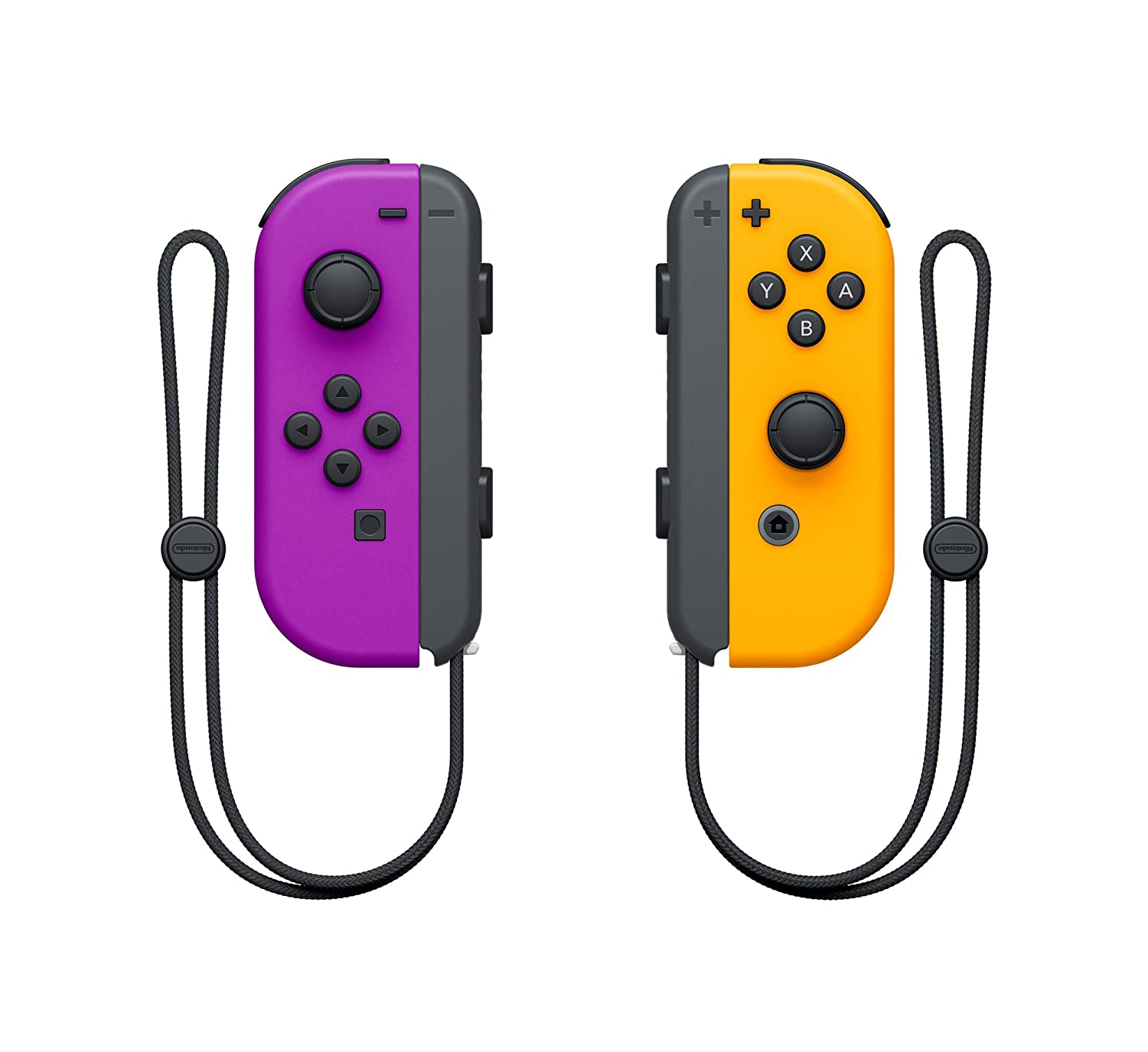
The case centers on malfunctioning left analog sticks on the Nintendo Switch platform — an issue widely reported since the console's 2017 launch — and whether minors who received consoles as gifts can pursue class-action claims against the company.
Background and legal posture
Joy-Con drift refers to a condition in which the left joystick registers movement without user input.
Plaintiffs in Sanchez et al. argued that affected players should be able to sue Nintendo directly.
According to reporting from Axios, Nintendo’s End User License Agreement (EULA) for the Nintendo Switch includes an arbitration clause that limits class-action litigation and directs disputes to arbitration.
Plaintiffs’ attorneys countered that children who received the consoles could not be bound by the EULA.
Court ruling and implications
In November, a federal judge in California ruled in Nintendo’s favor, upholding an earlier decision that the parents, not the children, were the legal owners of the Switch systems even when the devices were given as gifts.
Because the parents were deemed the owners, the court ruled that the children could not independently pursue the class-action claims over their consoles’ alleged defects.
Two other Joy-Con cases remain pending but have been on hold since early 2020 and 2021, respectively.
Plaintiffs in those suits, along with parties from more than 40 other related claims, have been directed to arbitration consistent with the terms of Nintendo’s EULA.
Company response and hardware work
Nintendo has publicly acknowledged Joy-Con drift concerns.
In 2020, Nintendo president Shuntaro Furukawa issued an apology for the issues players experienced with Joy-Con controllers.
In an October 2021 interview, Nintendo deputy general manager Toru Yamashita said the company has continued to pursue behind-the-scenes hardware improvements and remains focused on enhancing wear resistance and durability for Joy-Con components.
What this means for Switch owners
The ruling reinforces arbitration clauses in Nintendo’s user agreement and narrows the path for class-action litigation alleging Joy-Con defects.
Affected consumers still have access to repair and warranty channels, and many disputes are being processed through arbitration as the company addresses hardware durability.
For readers seeking primary documents, the Sanchez et al. v.
Nintendo of America filings are part of the public record and can be consulted through court document repositories.
Nintendo of America, delivering a victory for Nintendo in a high-profile dispute tied to Switch Joy-Con drift.
The case centers on malfunctioning left analog sticks on the Nintendo Switch platform — an issue widely reported since the console's 2017 launch — and whether minors who received consoles as gifts can pursue class-action claims against the company.
Background and legal posture
Joy-Con drift refers to a condition in which the left joystick registers movement without user input.
Plaintiffs in Sanchez et al. argued that affected players should be able to sue Nintendo directly.
According to reporting from Axios, Nintendo’s End User License Agreement (EULA) for the Nintendo Switch includes an arbitration clause that limits class-action litigation and directs disputes to arbitration.
Plaintiffs’ attorneys countered that children who received the consoles could not be bound by the EULA.
Court ruling and implications
In November, a federal judge in California ruled in Nintendo’s favor, upholding an earlier decision that the parents, not the children, were the legal owners of the Switch systems even when the devices were given as gifts.
Because the parents were deemed the owners, the court ruled that the children could not independently pursue the class-action claims over their consoles’ alleged defects.
Two other Joy-Con cases remain pending but have been on hold since early 2020 and 2021, respectively.
Plaintiffs in those suits, along with parties from more than 40 other related claims, have been directed to arbitration consistent with the terms of Nintendo’s EULA.
Company response and hardware work
Nintendo has publicly acknowledged Joy-Con drift concerns.
In 2020, Nintendo president Shuntaro Furukawa issued an apology for the issues players experienced with Joy-Con controllers.
In an October 2021 interview, Nintendo deputy general manager Toru Yamashita said the company has continued to pursue behind-the-scenes hardware improvements and remains focused on enhancing wear resistance and durability for Joy-Con components.
What this means for Switch owners
The ruling reinforces arbitration clauses in Nintendo’s user agreement and narrows the path for class-action litigation alleging Joy-Con defects.
Affected consumers still have access to repair and warranty channels, and many disputes are being processed through arbitration as the company addresses hardware durability.
For readers seeking primary documents, the Sanchez et al. v.
Nintendo of America filings are part of the public record and can be consulted through court document repositories.