Google has rolled out a themed Easter egg that recreates the feel of late-1990s web search pages for anyone searching The Legend of Zelda: Ocarina of Time.
The tribute coincides with promotional activity tied to the game's upcoming release on Nintendo Switch 2 and is designed to evoke the original Nintendo 64 launch in 1998.
How the Easter egg works
When users search for Zelda Ocarina of Time on Google, an on-page Master Sword icon appears in the lower-right corner.
Clicking that icon transforms the search results to a retro-style view modeled after how search engines looked in 1998, recreating the moment the original game arrived on the Nintendo 64.
In plain terms, Google’s page applies a 1998 visual treatment to the results and highlights the series’ legacy as part of the Switch-era promotion.
A brief history of Ocarina of Time and platforms
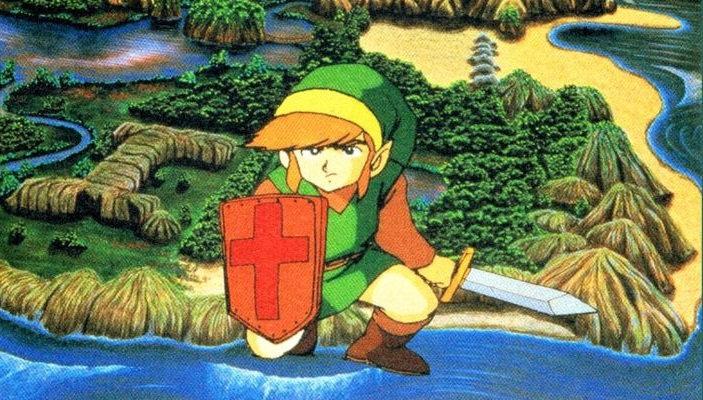
The Legend of Zelda: Ocarina of Time was first released for the Nintendo 64 in 1998, with launch dates in November and December across regions.
Developed by Nintendo’s internal development group then known as Nintendo EAD (the division later restructured into what is now Nintendo EPD), the title is widely credited as a landmark in 3D game design and remains one of the franchise’s most influential entries.
The game has been rereleased on multiple platforms since its N64 debut.
A high-profile remake, The Legend of Zelda: Ocarina of Time 3D, launched on the Nintendo 3DS in 2011, bringing updated visuals and quality-of-life changes for a new handheld audience.
Historically, Nintendo has distributed modern releases and re-releases through the Nintendo eShop on its consoles.
Context for Switch 2 promotion
Google’s retro Easter egg is a marketing nod to fans ahead of the Switch 2 release window; it leverages nostalgia and the franchise’s strong historical footprint.
The search treatment gives longtime players a short, shareable moment that references the N64-era presentation and the cultural impact Ocarina of Time had at launch.
Why it matters
The Easter egg is a reminder of how legacy IP and platform transitions intersect in modern game marketing.
For players tracking the game’s availability, Nintendo’s contemporary distribution model typically uses the Nintendo eShop for digital releases, and Google’s tribute underscores the enduring relevance of a title first introduced in 1998.
This Google feature is live for users who search the game name, offering a quick and verifiable way to celebrate the upcoming Switch 2 release while remembering the original Nintendo 64 launch era.