


Intro
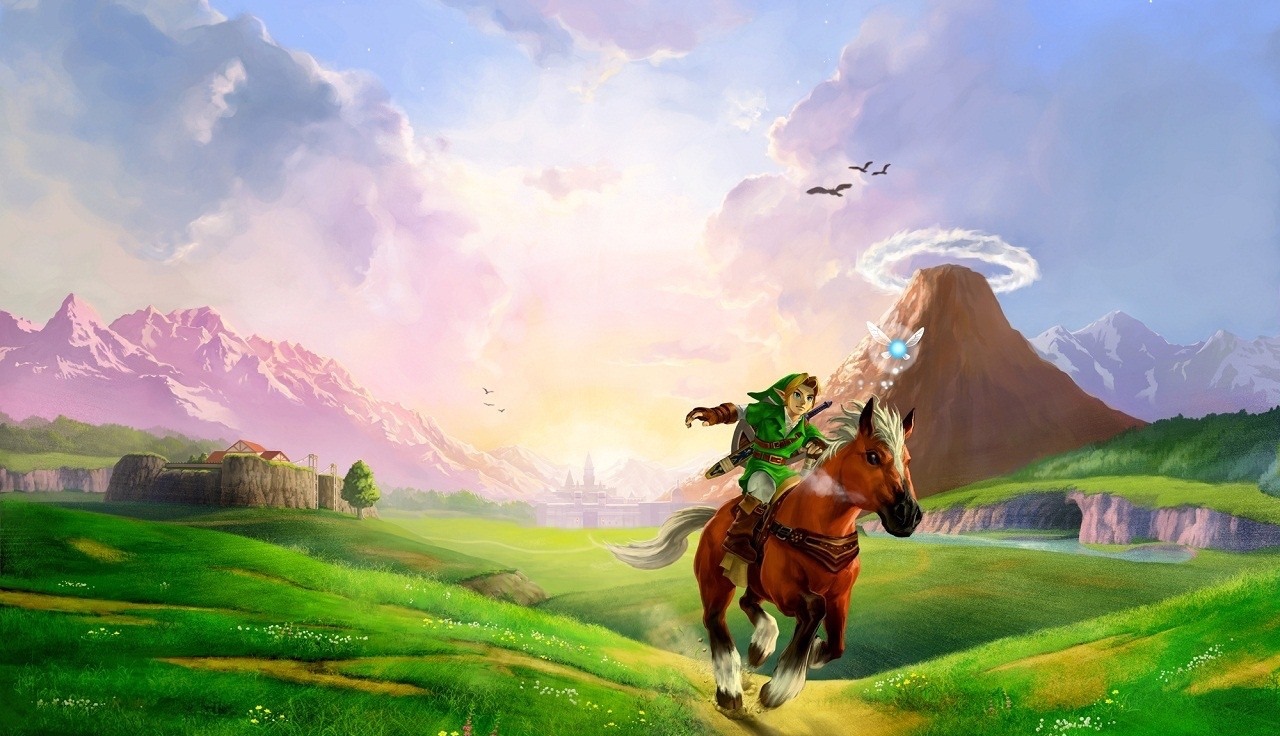
The Legend of Zelda: Ocarina of Time arrives as a full remake for Nintendo Switch 2 on Thursday, November 5.
In the 24th installment of Nintendo’s Ask the Developer interview series, core members of the remake team discuss how they translated the Nintendo 64 classic into a modern rebuild while preserving the original game’s structure and emotional impact.
The interview — translated from Japanese and conducted prior to the game’s release — highlights design philosophy, technical decisions and the hands-on work behind the visuals and audio.
Core team and credits
Director HokWai Ng led the remake effort after contributing to The Legend of Zelda: Tears of the Kingdom.
Aya Shida served as art director and previously worked on character development for The Legend of Zelda: Breath of the Wild and Tears of the Kingdom.
Program director Hiroki Taguchi joined the Zelda team during Breath of the Wild development and expanded his responsibilities for this project.
Masato Ohashi acted as sound director and music lead, overseeing composition and music production for the remake.
Preserving the original experience
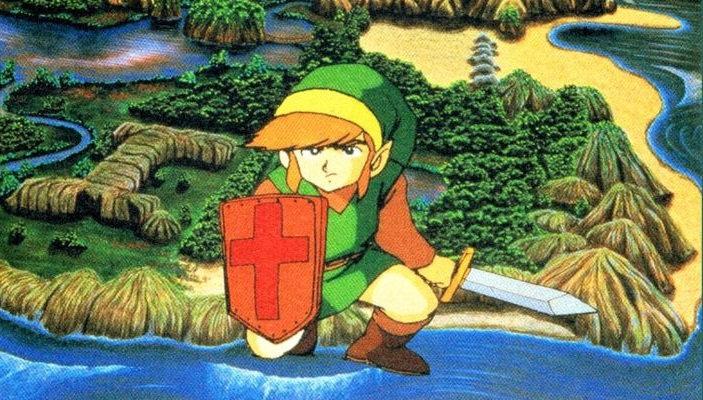
The team adopted a guiding principle that they distilled as “the visuals may change, but the experience does not.” Ng told the interviewer he felt a strong responsibility to honor the many personal memories players have of the original and therefore focused on preserving the game’s structure and pacing rather than turning it into an open-world title.
Paraphrasing the developers
Ng said he was simultaneously surprised and excited to be entrusted with the remake, emphasizing that Ocarina of Time holds a special place in Zelda history and deserved careful handling.
Shida explained she was struck by how polished the 1998 Nintendo 64 original still appeared, and that recreating its emotional tone with modern tools required new approaches rather than a simple leap toward realism.
Taguchi described the task as a heavy responsibility: he had expected a remake someday, but not that he would be part of it, and he committed to maintaining the game’s original balance.
Ohashi stressed the sensitivity of updating the soundtrack, noting the enduring importance of Koji Kondo’s original compositions and the need not to disturb players’ musical memories.
Art and technical approach
Shida said the art team aimed for a ‘‘puppet-show’’ or analog practical-effects sensibility: believable, tactile environments and characters that retain the original’s dreamlike quality.
To make Hyrule feel dense and lived-in on Nintendo Switch 2, artists researched fabrics and handcrafted details — even experimenting with thread and textile references — and commissioned a new map from the artist who worked on the Nintendo 64 edition.
Taguchi added that programmers layered environmental and character behaviors to reinforce the sense that the world truly exists, while intentionally keeping the game’s original map segmentation rather than converting it into a seamless open world.
Conclusion
Taken together, the interviews sketch a remake strategy that balances reverence for the 1998 original with the practical possibilities of current hardware.
With the November 5 launch on Nintendo Switch 2, Nintendo aims to deliver an updated Ocarina of Time that looks and sounds new while retaining the pacing, character moments and map flow that defined the classic.


