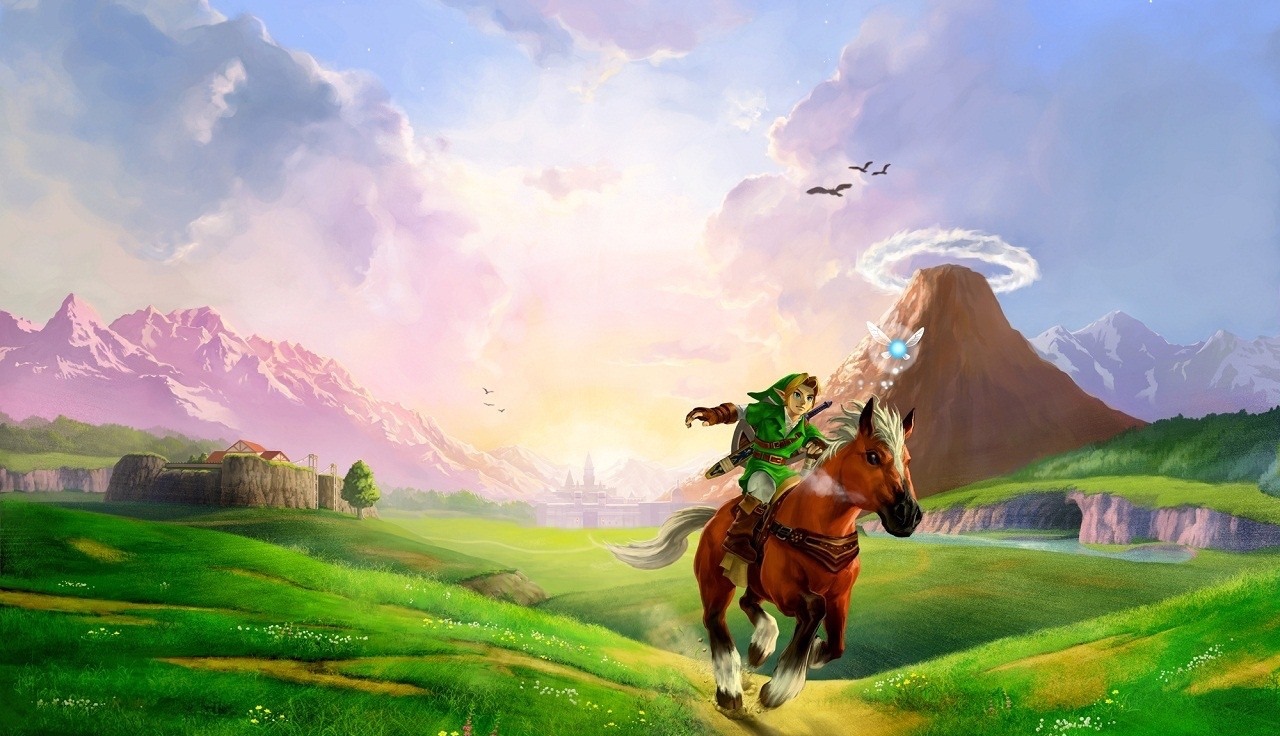

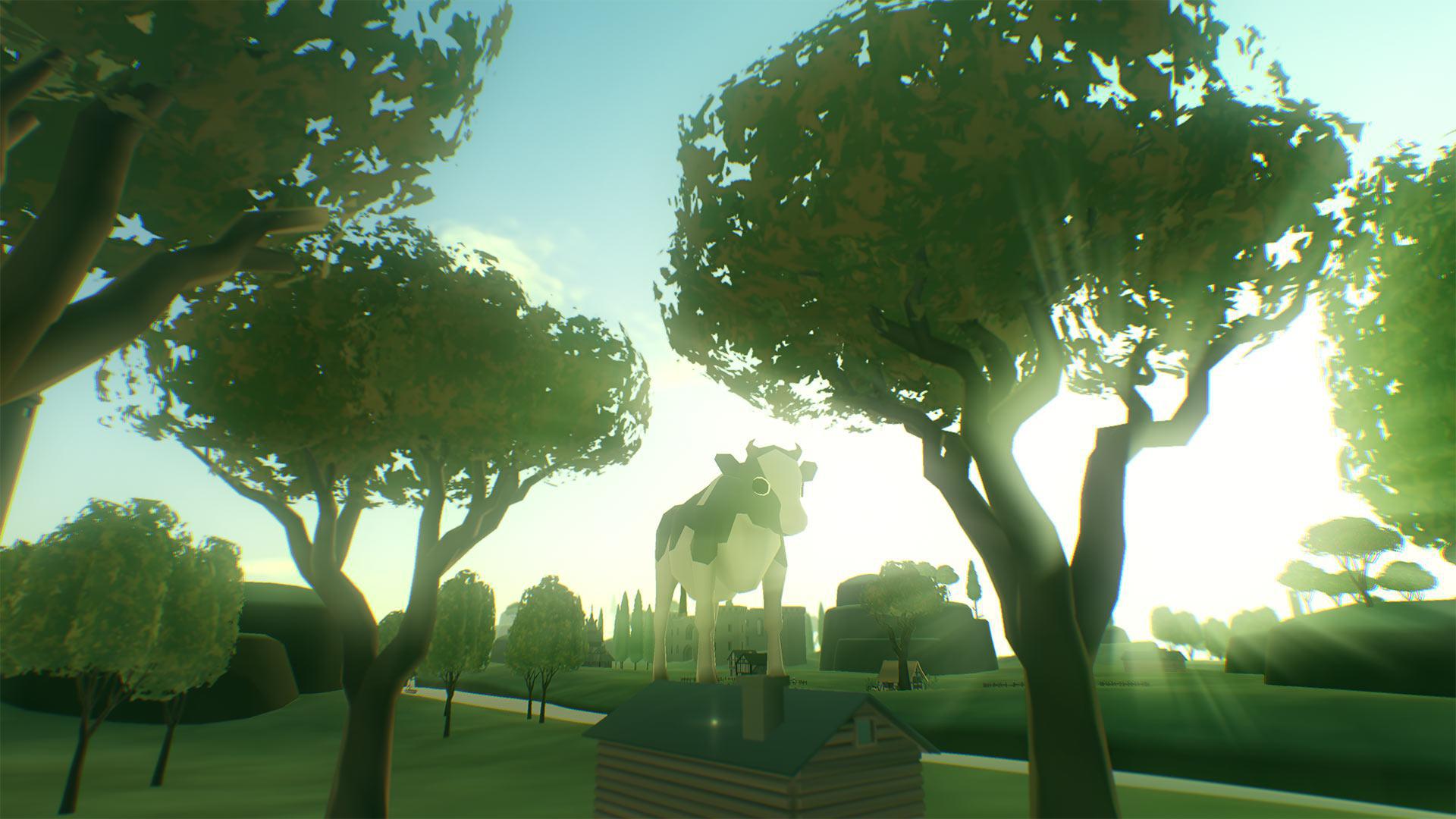
The Legend of Zelda: Ocarina of Time remake is drawing attention not just for the act of rebuilding a classic, but for the distinct visual philosophy guiding that rebuild.
Nintendo developers and artists—among them Aya Shida, Hiroki Taguchi, Eiji Aonuma, and Hidemaro Fujibayashi—have explained the studio’s intent to preserve the original game’s tone while reimagining Hyrule for a contemporary audience.
Background
The original Ocarina of Time launched on Nintendo 64 in 1998 and later received a high-profile remake for the Nintendo 3DS in 2011.
Nintendo’s current remaking process has prompted discussion about how to update a title with near-mythical status without erasing what made it unique.
In a recent “Ask the Developer” column, key members of the development team walked readers through their design rationale.
Design philosophy: believable fantasy over photorealism
Art director Aya Shida said the team deliberately avoided pursuing strict realism.
Rather than making every element hyper-detailed or machine-perfect, the team focused on a sense of a “rich, dense world that could truly exist” while keeping the dreamlike qualities of the original.
Shida explained that early development relied on touchstones like a puppet-show aesthetic and the tactile impression of practical-effects films—approaches that create a convincing fantasy presence without reproducing reality exactly.
Eiji Aonuma, reflecting on the original N64 project, noted that the team at the time was aiming for what felt cutting-edge rather than nostalgic replication.
He observed that the current remake’s puppet-show direction is one way the new team has chosen to express affection for the source material while taking a fresh interpretive route.
Movement, expression, and material detail
Hidemaro Fujibayashi reminded readers that character animation in the N64 original used exaggerated motions and expressions to convey personality.
He cautioned that a literal recreation of those exaggerated elements with modern rendering could appear uncanny, so the remake adjusts animation and presentation to preserve charm without discomfort.
Aya Shida also highlighted small but intentional choices: for example, Young Link’s clothing was designed to avoid the look of perfectly machined fabric.
The aim was to make garments read as hand-made and contextually believable for a child raised in a forest settlement.
Hiroki Taguchi summed up the team’s confidence in the approach, saying the new visual language “felt right” because it prioritizes reinforcing the sense that characters truly inhabit this rebuilt Hyrule, rather than merely polishing textures.
Context for players and industry observers
Nintendo has a history of remaking and re-releasing Zelda titles—most recently with the 3DS remake—and often uses Nintendo Direct presentations and the Nintendo eShop to share updates and releases.
As the remake progresses through development, the team’s commentary provides a clear window into how Nintendo balances legacy, modern tools, and creative reinterpretation when touching one of its most influential properties.