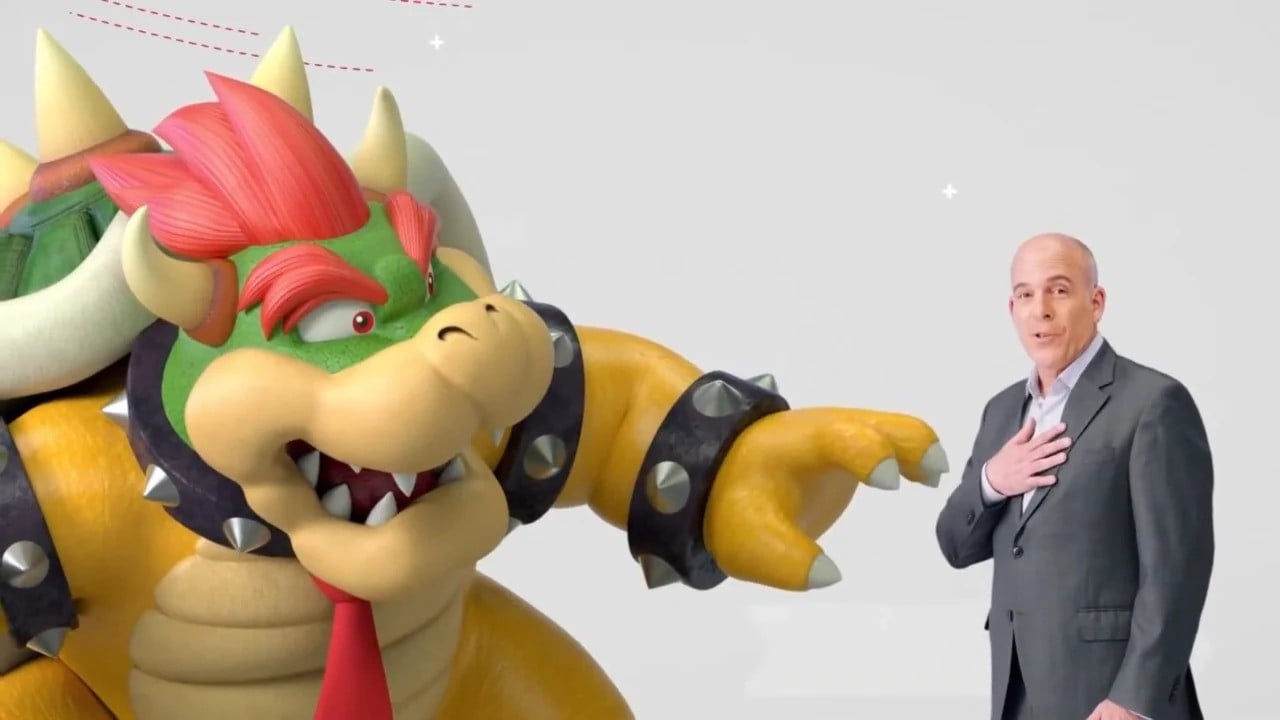


At GamesBeat Next 2026, a panel of industry veterans including former Nintendo of America president Doug Bowser joined Peter Moore and Shawn Layden on the 'Game Legends' stage to discuss how Nintendo's core motto — "We make smiles" — is baked into the company's approach to game development.
The conversation shed light on Nintendo's long-standing emphasis on player experience, the role of observational playtesting, and how contemporary trends among younger players shape design priorities for platforms such as the Nintendo Switch and its digital storefront, the eShop.
Bowser recounted a notable anecdote about legendary Nintendo producer Shinya Takahashi to illustrate the company's focus on affect over analytics during internal reviews.
According to Bowser, Takahashi preferred small playtest groups so developers could read players' faces and eyes; he would watch testers' expressions rather than monitor controller inputs or on-screen behavior.
Bowser said Takahashi would sit and observe players' reactions, using facial cues to judge whether a segment of a game was eliciting joy.
If he did not see visible enjoyment, he would ask testers directly why they weren't having fun.
That observational method, Bowser explained to the audience, translated into frank feedback sessions where the guiding question was simple: are people having fun?
If not, developers had to identify why and iterate.
Bowser emphasized that this rigorous, player-first scrutiny helps explain Nintendo's track record for producing titles broadly regarded as entertaining and accessible.
The panel also touched on how audience expectations are shifting.
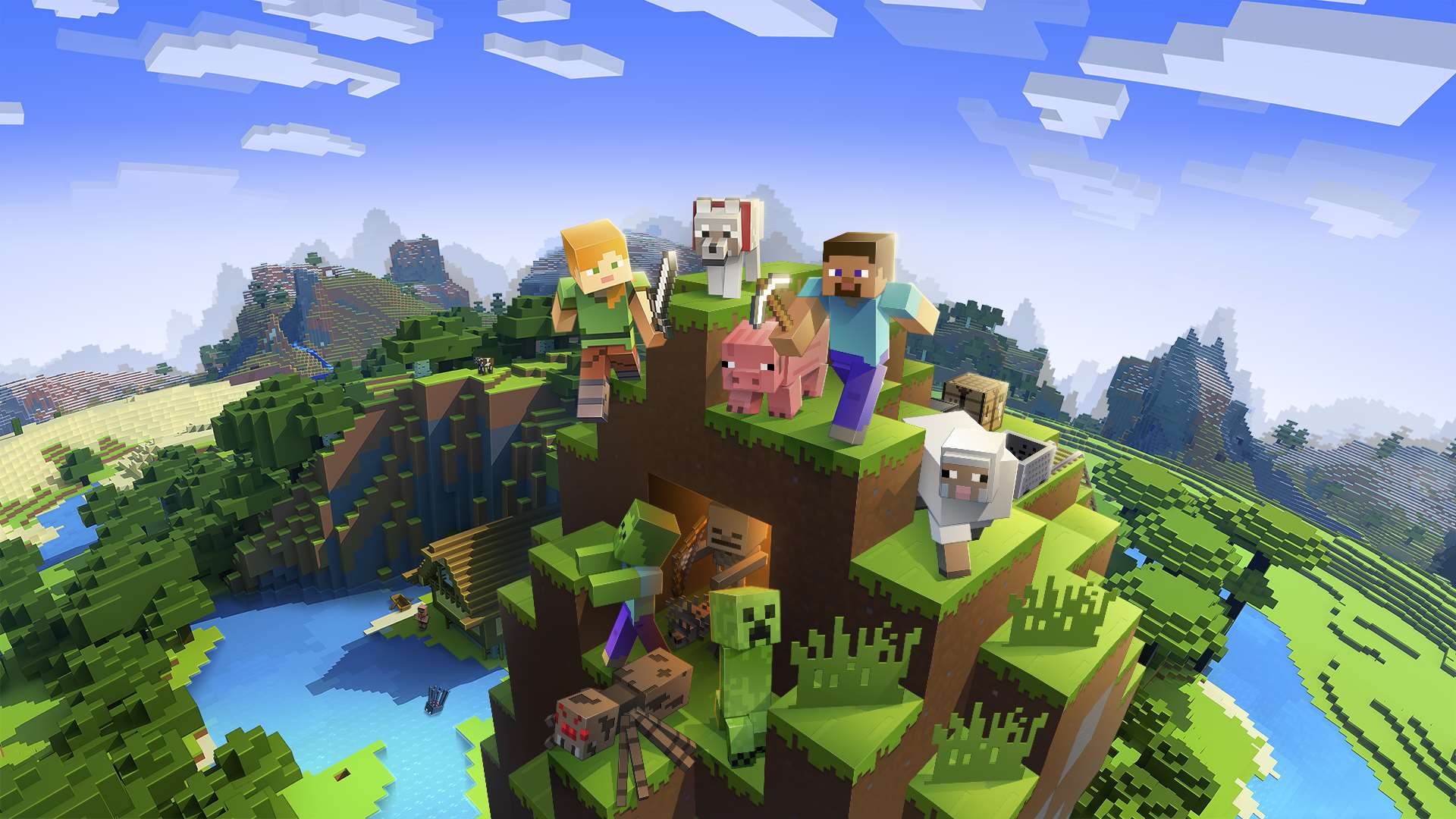
Bowser pointed to live-service and sandbox experiences such as Fortnite, Roblox and Minecraft as examples of platforms where younger players prioritize immediate access to enjoyable activities and avenues for self-expression.
He argued that modern game development must account for those preferences when building new experiences for Nintendo platforms, including considerations for ease of entry and tools for personal creativity.
Beyond playtesting and audience trends, the panel covered current industry conversations including the impact of AI on development workflows, the role of exclusives in console competition, and the evolving nature of game promotion on channels like Nintendo Direct.
The full GamesBeat transcript contains additional context from the 'Game Legends' discussion for readers interested in deeper detail.
For developers and publishers watching Nintendo, these remarks from Bowser and other panelists underline a consistent theme: successful game design often starts with watching players closely, prioritizing emotional response, and adapting to how new cohorts want to play on platforms such as the Nintendo Switch and the eShop.