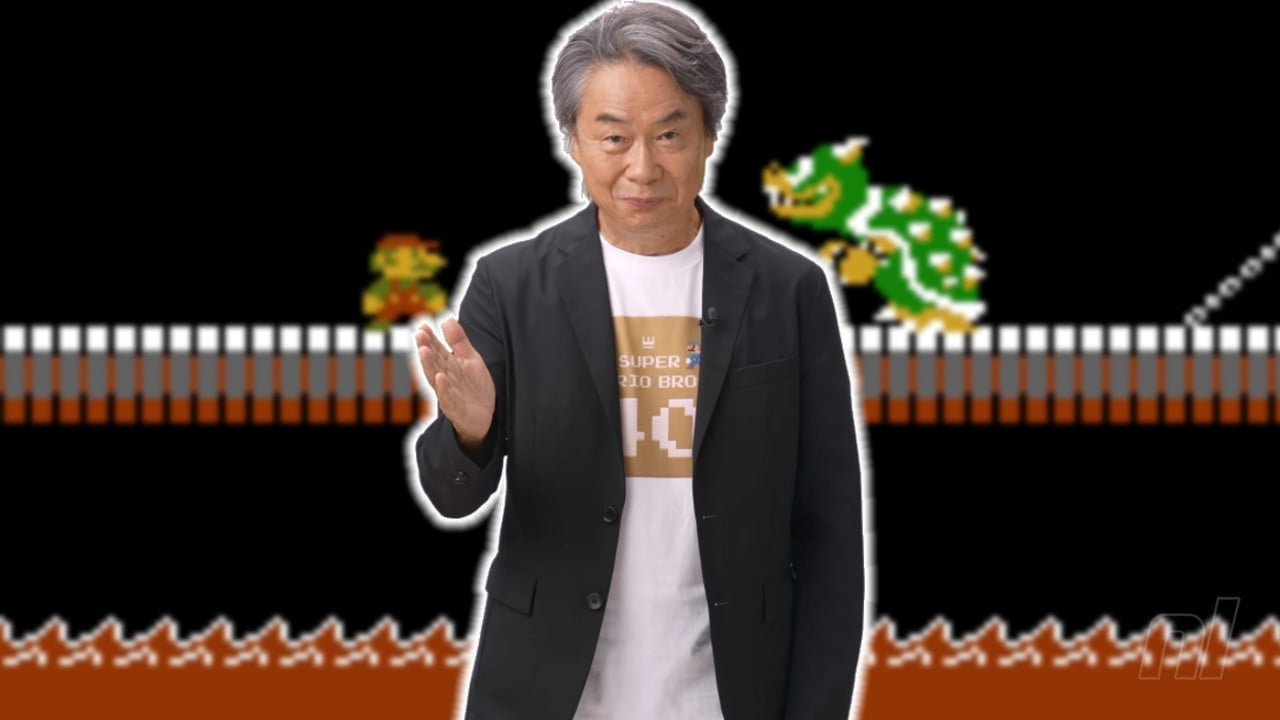

At a recent press conference marking his Order of Culture award, Nintendo veteran Shigeru Miyamoto revisited one of gaming’s most recognizable design choices: the way Super Mario Bros. stages its boss encounters.
Super Mario Bros., which debuted on Nintendo’s Famicom/NES in 1985, established a platforming template focused on running and jumping rather than traditional combat — a choice Miyamoto says was driven by the limitations and strengths of the game’s core mechanics.
Miyamoto explained that creating a conventional boss fight felt at odds with Mario’s movement-based gameplay.
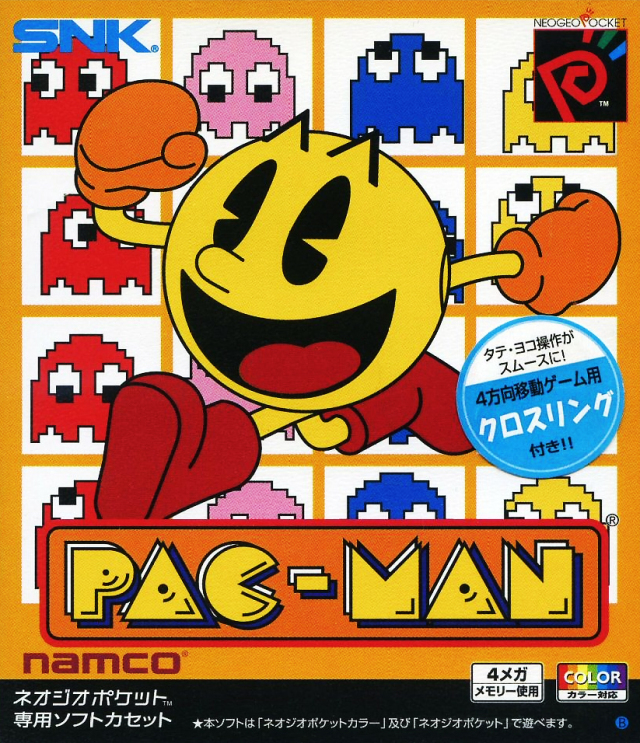
He noted that satisfying conclusions in other arcade-era games come from completing the system — like clearing pellets in Pac-Man or filling rows in Tetris — rather than face-to-face combat.
For Mario, a character and game built around momentum and precise jumps, ending a level with a battle didn’t mesh with the established design.
Faced with that mismatch, Miyamoto said he looked for a solution that leveraged what players were already doing: moving to the right and timing jumps.
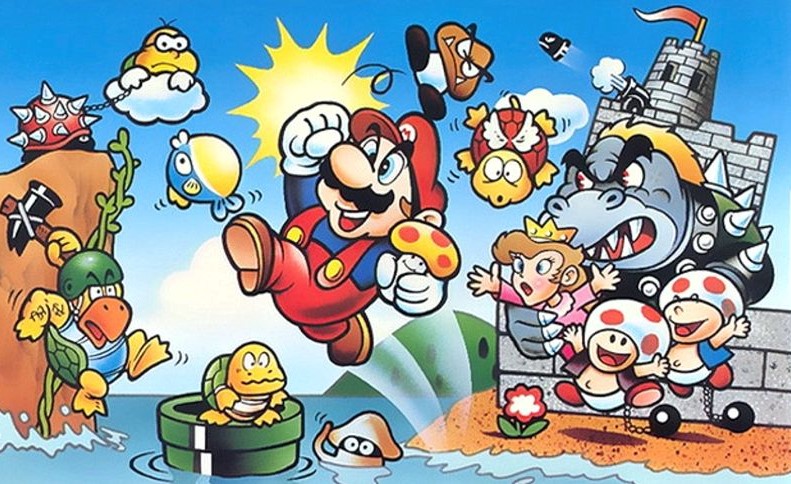
He settled on a straightforward, elegant mechanic: resolve the finale by having the player reach the far right of the stage and clear an obstacle — in practice, jumping over Bowser or triggering the bridge sequence to defeat him.
Miyamoto described the idea as surprisingly enjoyable in playtests and satisfying as a natural extension of the platforming rules.
That minimalist approach became one of Super Mario Bros.’ most iconic moments, shaping how players experienced the transition from level platforming to a climactic pickup-and-leap.
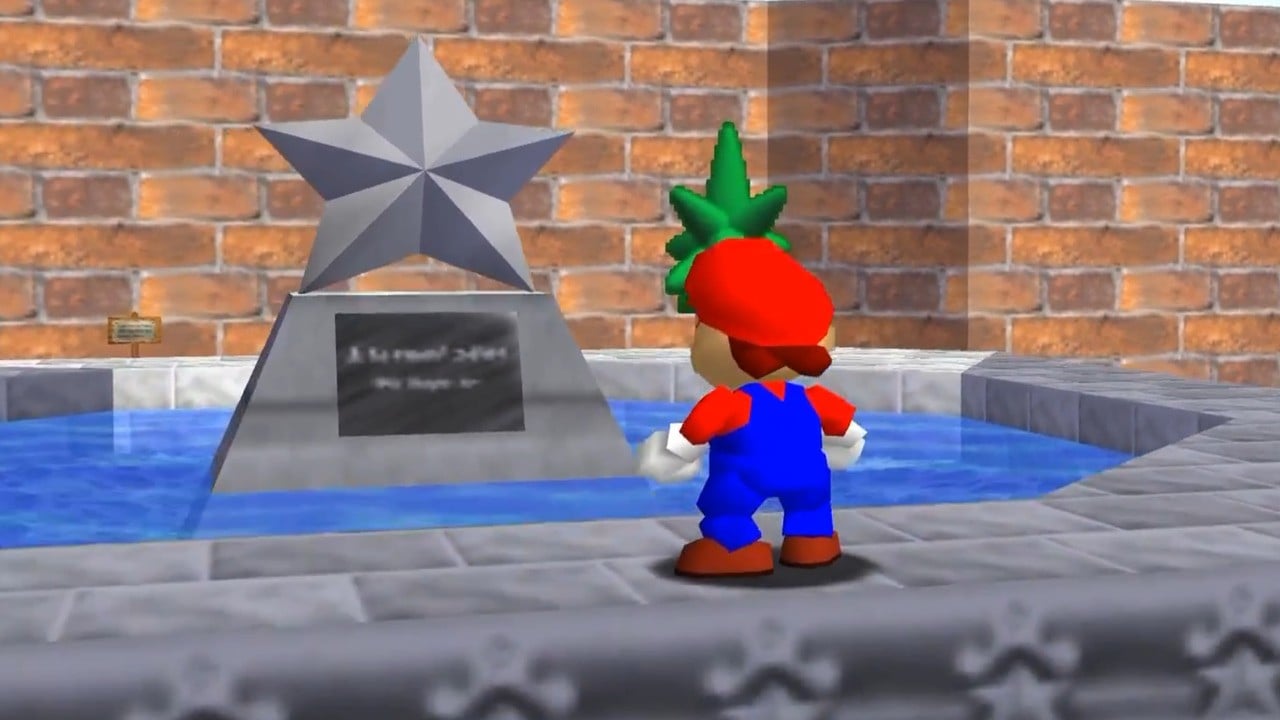
The design also set a foundation for the series to evolve: later entries such as Super Mario 64 (released for the Nintendo 64 in 1996) introduced more direct and varied boss interactions while still building on Mario’s movement-first identity.
Miyamoto’s explanation highlights a broader principle in game design: endings should arise from the game’s systems.
In Super Mario Bros., that principle produced a simple but enduring solution — a non-combative finale that remains a landmark in Nintendo’s design history.
As the franchise continues across platforms like Nintendo Switch and digital storefronts such as the eShop, that original design thinking still informs how developers approach boss encounters and player expectations.