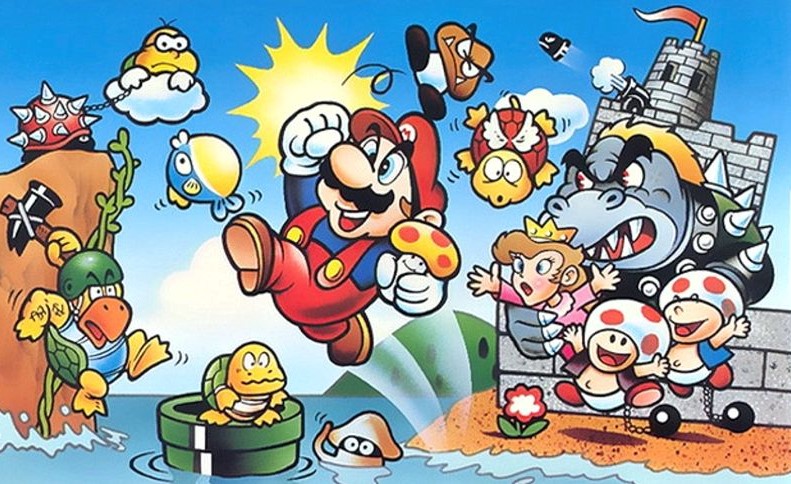


Shigeru Miyamoto has explained why the climax of Super Mario Bros. avoids a traditional boss fight in favor of a simple, decisive leap — a design choice that helped define the game when it launched on the Famicom/Nintendo Entertainment System in 1985.
Developed by Nintendo with direction from Miyamoto and Takashi Tezuka and music by Koji Kondo, Super Mario Bros. became one of the best-selling and most influential platformers in gaming history, selling well over 40 million copies across original releases and later reissues.
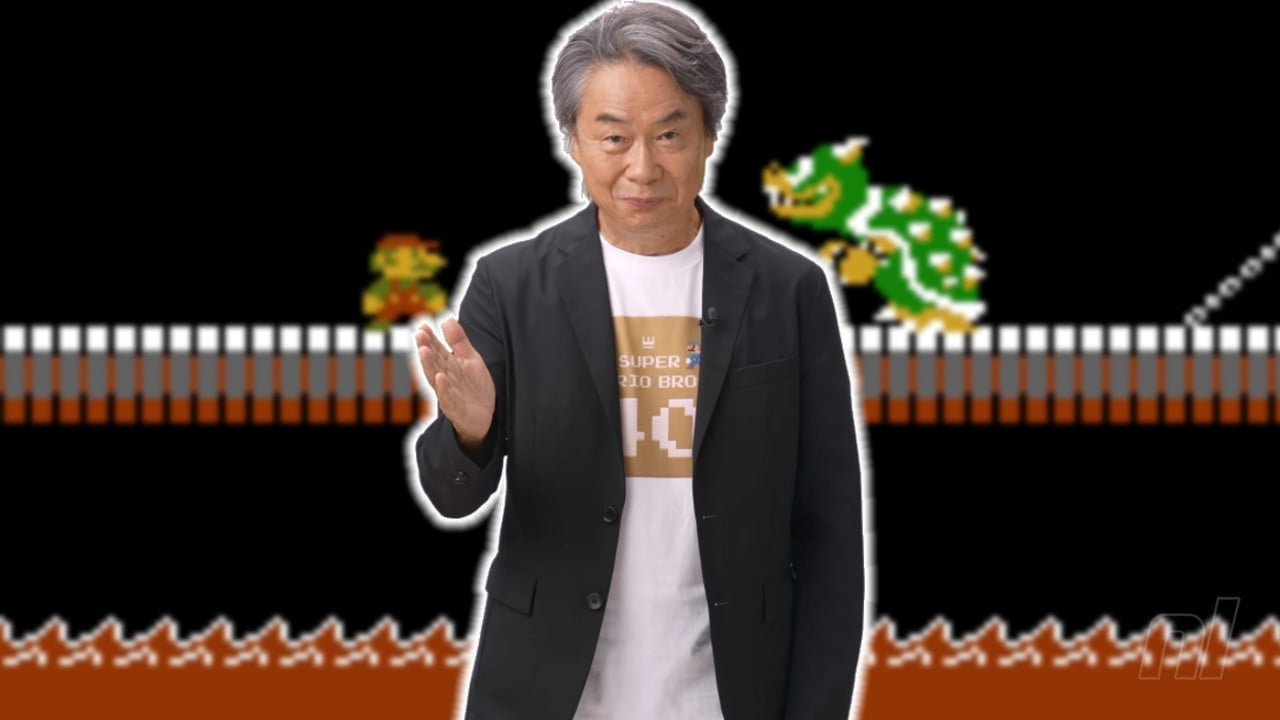
Miyamoto addressed the decision in a press conference following his receipt of Japan’s Order of Culture award.
According to a report on denfaminicogamer.jp and an English translation published by Nintendo Everything, Miyamoto said that creating a conventional boss encounter for Bowser proved difficult during development.
Working within the game’s core mechanic — running to the right through levels — the team sought an alternative to a drawn-out combat sequence.
Miyamoto explained that instead of forcing a fight, they realized the level design itself could determine the outcome: reach the far-right edge and the player wins.
He added that the idea of simply jumping over Bowser so the Koopa King falls into the pit felt fresh and, when tested, was “surprisingly fun.”
That minimalist endgame moment has endured for more than four decades.
Super Mario Bros. first released in Japan on September 13, 1985, and later that year overseas, and it set a template for Mario’s platforming structure that continues to influence Nintendo design philosophy.
The game has been reissued many times, appearing on Virtual Console services and on Nintendo Switch via the Nintendo Switch Online NES library, keeping the original mechanic accessible to new generations of players.
Miyamoto’s anecdote underscores a practical approach to game design: constraints — whether technical limits of the NES hardware or the established left-to-right flow of platform stages — can inspire simple, memorable solutions.
The decision not to script a traditional boss battle but to resolve encounters through level progression remains a key part of why Super Mario Bros. is still taught and discussed in design circles and celebrated by fans on the eShop and beyond.