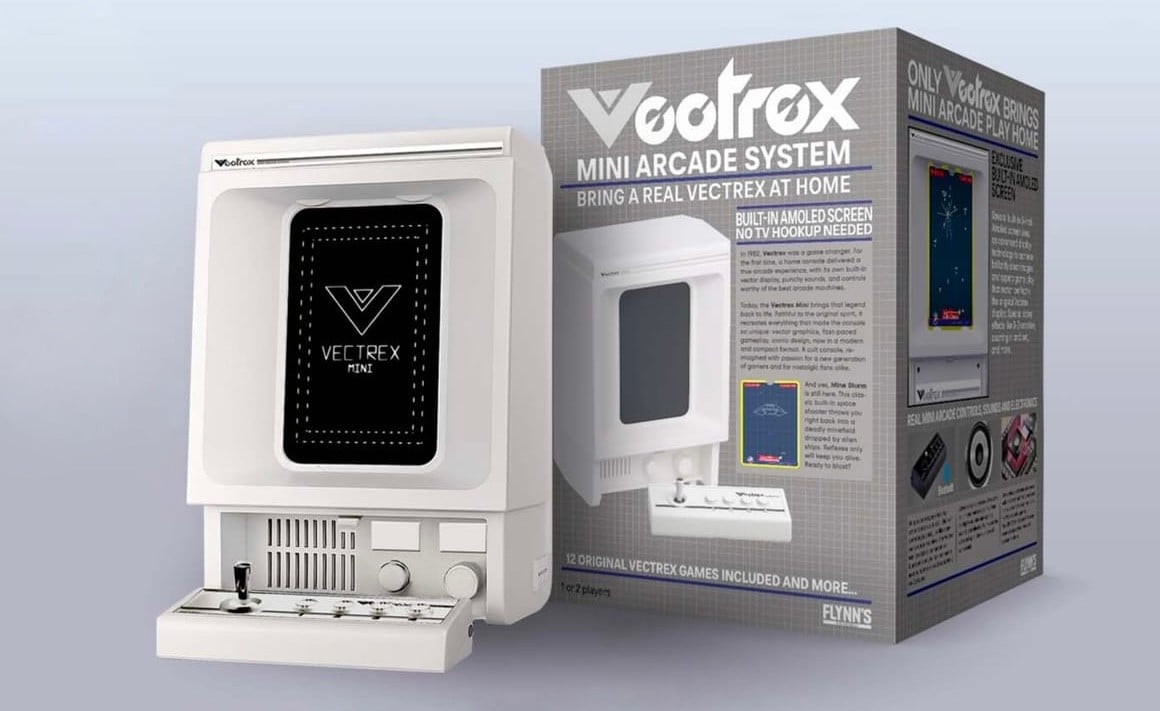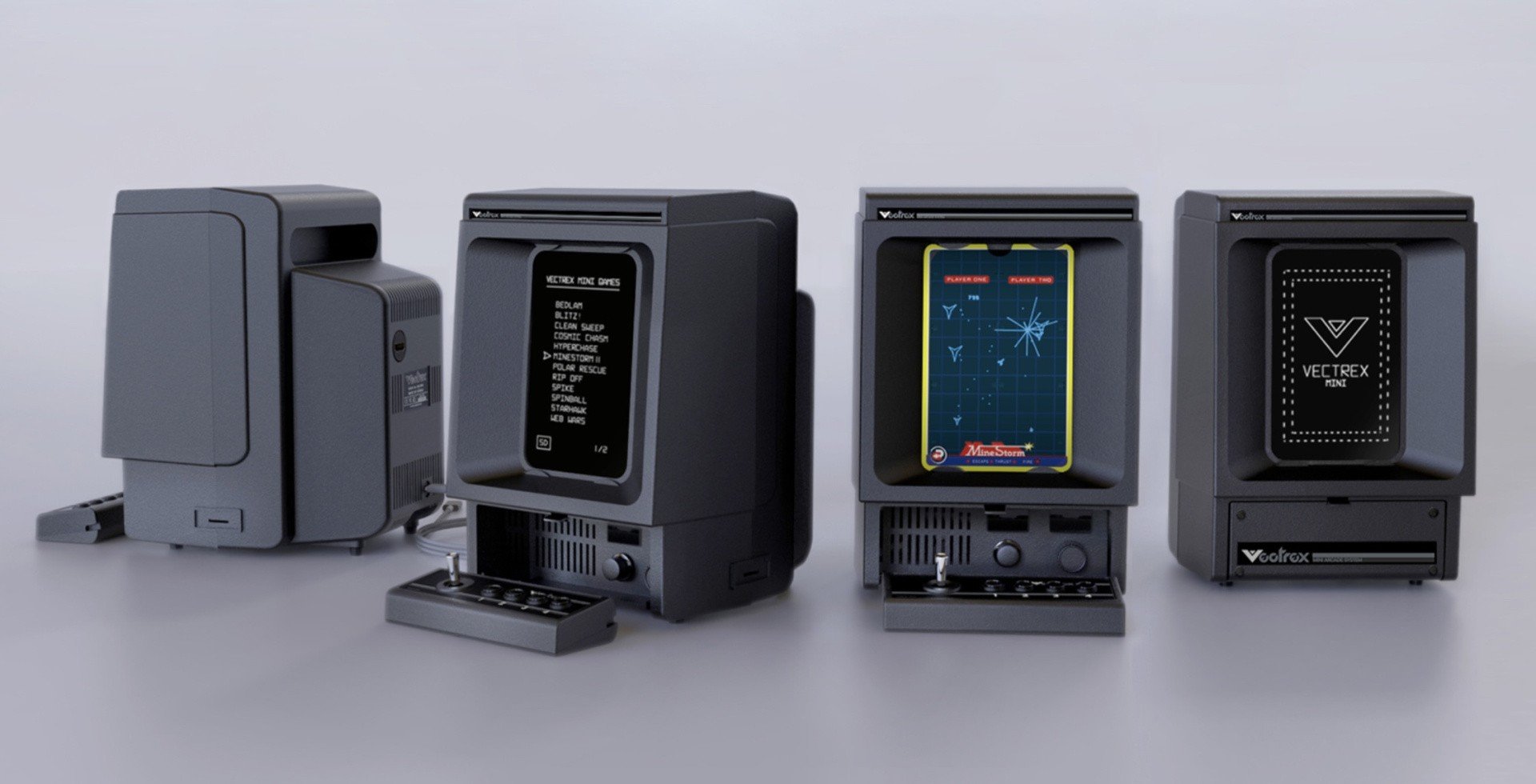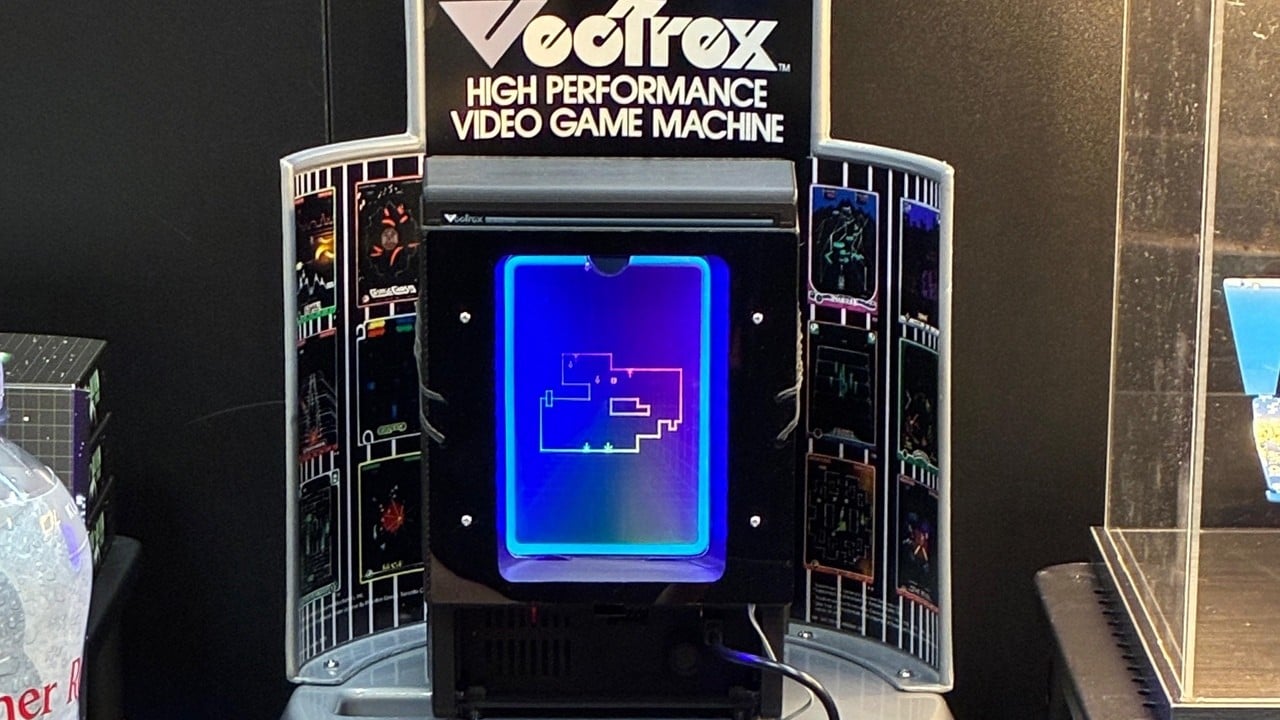

The team behind the upcoming Vectrex Mini has confirmed a significant hardware change: the handheld will ship with an IPS display instead of the originally announced 5-inch OLED.
Project lead David Oghia explained the decision in detail, outlining cost, technical performance and longevity as the driving factors behind the move.
Prototypes featuring the new panel were shown at Gamescom in Germany and at the Replay Expo in the UK, and the team has scheduled a special launch event in London on November 21st.
Oghia told backers and the media that early sourcing information led the team to expect a cost-effective 5-inch OLED option, but real-world component prices proved higher than anticipated.
He said the group initially underestimated those costs and that finding a suitable OLED under a roughly $40-per-unit target was not possible without increasing the final console price.
In journalistic terms, Oghia said the original cost model did not match production sourcing and would have forced price increases that the team would rather avoid.
Beyond cost, the Vectrex Mini’s choice of processor influenced the display decision.
The project uses an ESP32-P4 to run the Vectrex emulator, and Oghia explained that system development targeted LCD-class panels at an 800×480 resolution.
He summarized that higher-resolution OLED panels would increase pixel throughput and refresh demands, placing additional load on the ESP32-P4 and risking reduced performance.
The team therefore prioritized a 'smooth, responsive Vectrex experience with excellent frame-rate' over adopting a higher-resolution panel that would mainly look better on a spec sheet.
Durability and burn-in concerns were the other major considerations.
Oghia reported that test OLED samples felt fragile, with very thin glass that would have required strengthening the Mini’s chassis.
He also pointed out that the Vectrex’s typical output — bright, high-contrast vector lines on black backgrounds, and persistent elements in Clock mode — raises the risk of OLED burn-in over long-term use.
By contrast, the selected IPS panel arrives in a robust metal housing and offers strong durability for extended everyday handling.
The team says the chosen IPS display delivers very good refresh behavior, high brightness (up to 900 nits), wide viewing angles and deep-looking blacks when combined with physical or virtual overlays.
Oghia acknowledged some backer disappointment given the early promises of OLED, apologized for the change, and reiterated the team's commitment to delivering the best possible Vectrex Mini within a reasonable timeframe.
Tickets for the November 21st London event were made available by the team.
Project lead David Oghia explained the decision in detail, outlining cost, technical performance and longevity as the driving factors behind the move.
Prototypes featuring the new panel were shown at Gamescom in Germany and at the Replay Expo in the UK, and the team has scheduled a special launch event in London on November 21st.
Oghia told backers and the media that early sourcing information led the team to expect a cost-effective 5-inch OLED option, but real-world component prices proved higher than anticipated.
He said the group initially underestimated those costs and that finding a suitable OLED under a roughly $40-per-unit target was not possible without increasing the final console price.
In journalistic terms, Oghia said the original cost model did not match production sourcing and would have forced price increases that the team would rather avoid.
Beyond cost, the Vectrex Mini’s choice of processor influenced the display decision.
The project uses an ESP32-P4 to run the Vectrex emulator, and Oghia explained that system development targeted LCD-class panels at an 800×480 resolution.
He summarized that higher-resolution OLED panels would increase pixel throughput and refresh demands, placing additional load on the ESP32-P4 and risking reduced performance.
The team therefore prioritized a 'smooth, responsive Vectrex experience with excellent frame-rate' over adopting a higher-resolution panel that would mainly look better on a spec sheet.
Durability and burn-in concerns were the other major considerations.
Oghia reported that test OLED samples felt fragile, with very thin glass that would have required strengthening the Mini’s chassis.
He also pointed out that the Vectrex’s typical output — bright, high-contrast vector lines on black backgrounds, and persistent elements in Clock mode — raises the risk of OLED burn-in over long-term use.
By contrast, the selected IPS panel arrives in a robust metal housing and offers strong durability for extended everyday handling.
The team says the chosen IPS display delivers very good refresh behavior, high brightness (up to 900 nits), wide viewing angles and deep-looking blacks when combined with physical or virtual overlays.
Oghia acknowledged some backer disappointment given the early promises of OLED, apologized for the change, and reiterated the team's commitment to delivering the best possible Vectrex Mini within a reasonable timeframe.
Tickets for the November 21st London event were made available by the team.