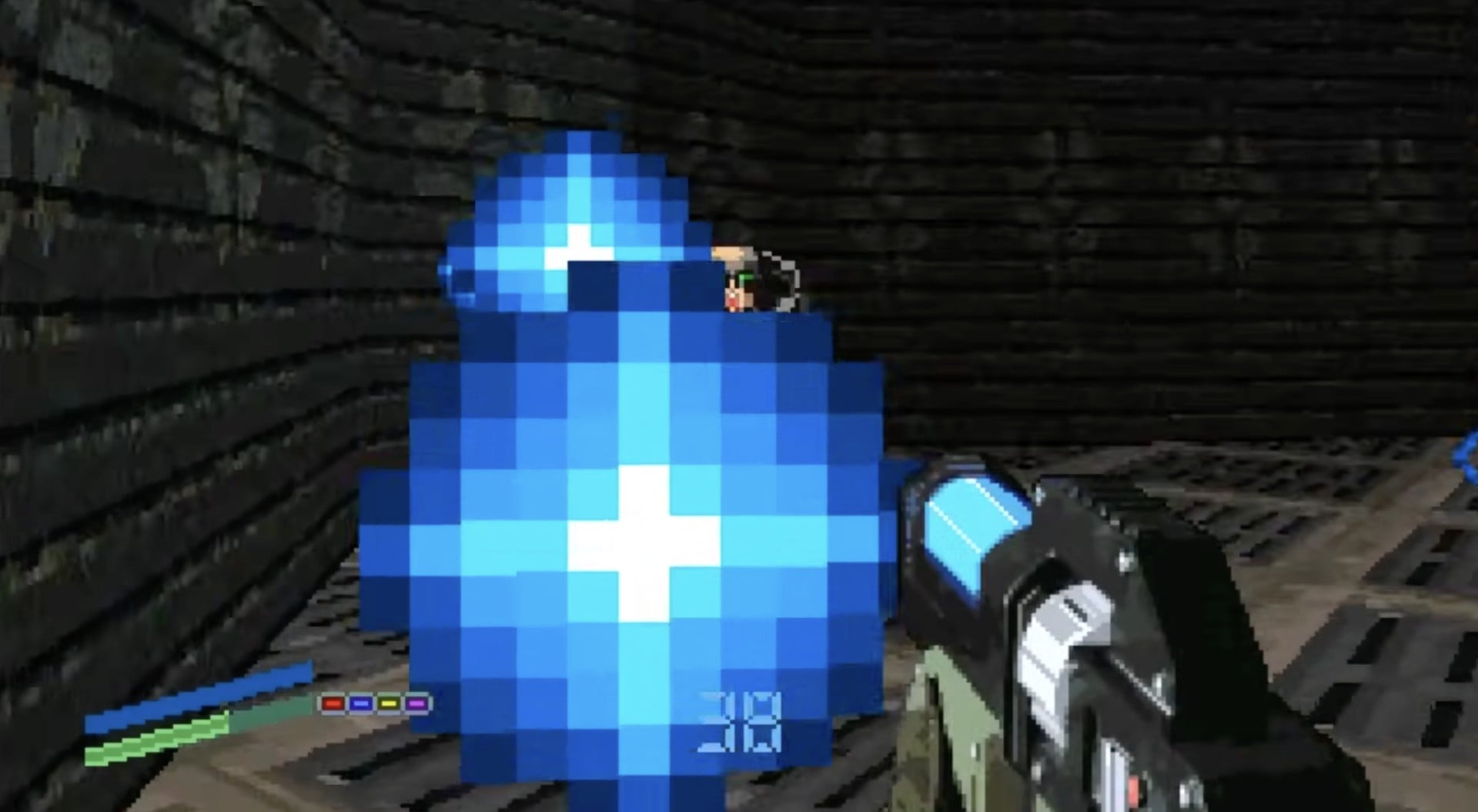
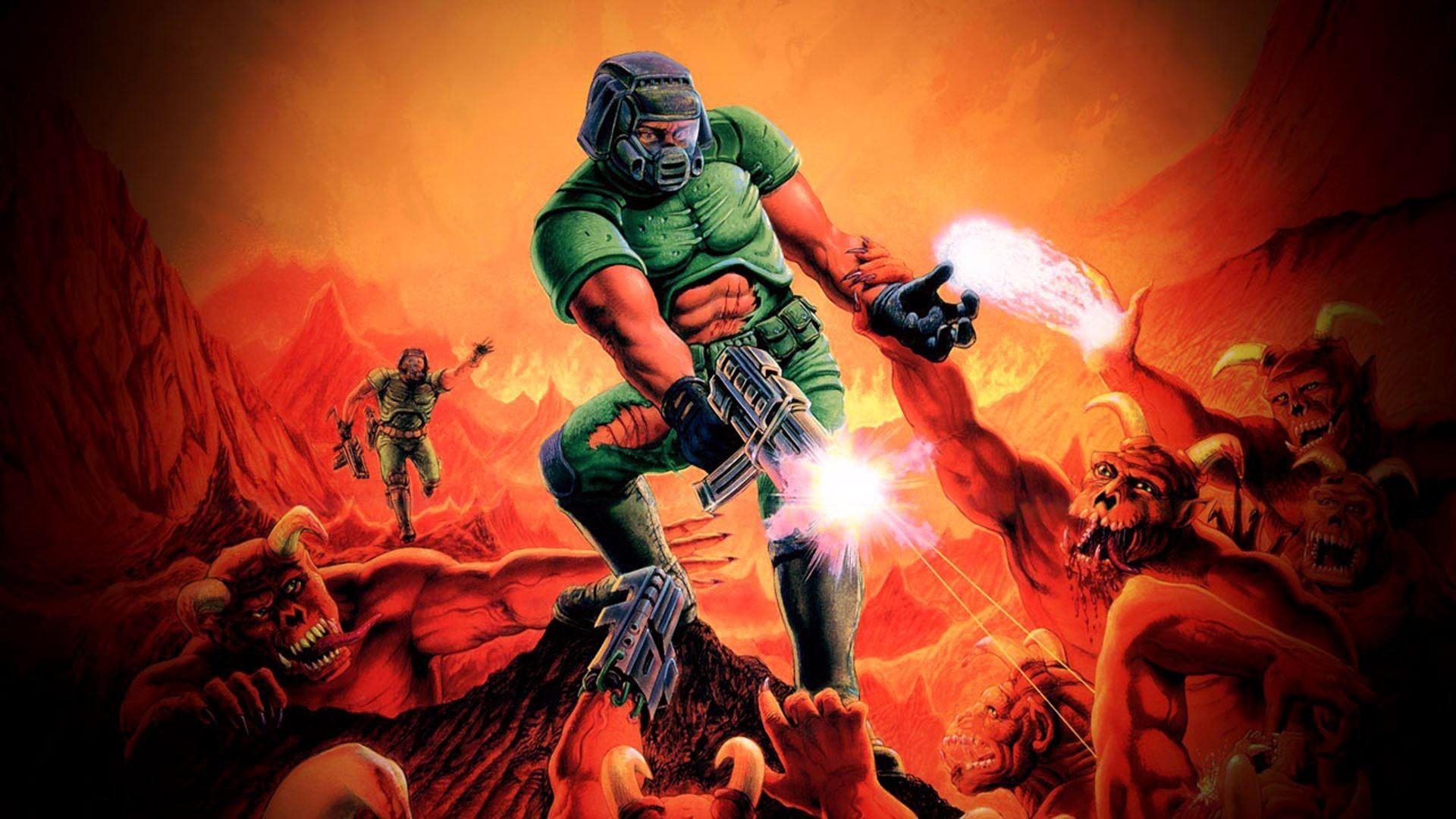
A new homebrew demonstration has put id Software's landmark 1993 first-person shooter DOOM on the long-obsolete Milton Bradley Vectrex, using modern plug-in hardware to translate the game into a vector display aesthetic.
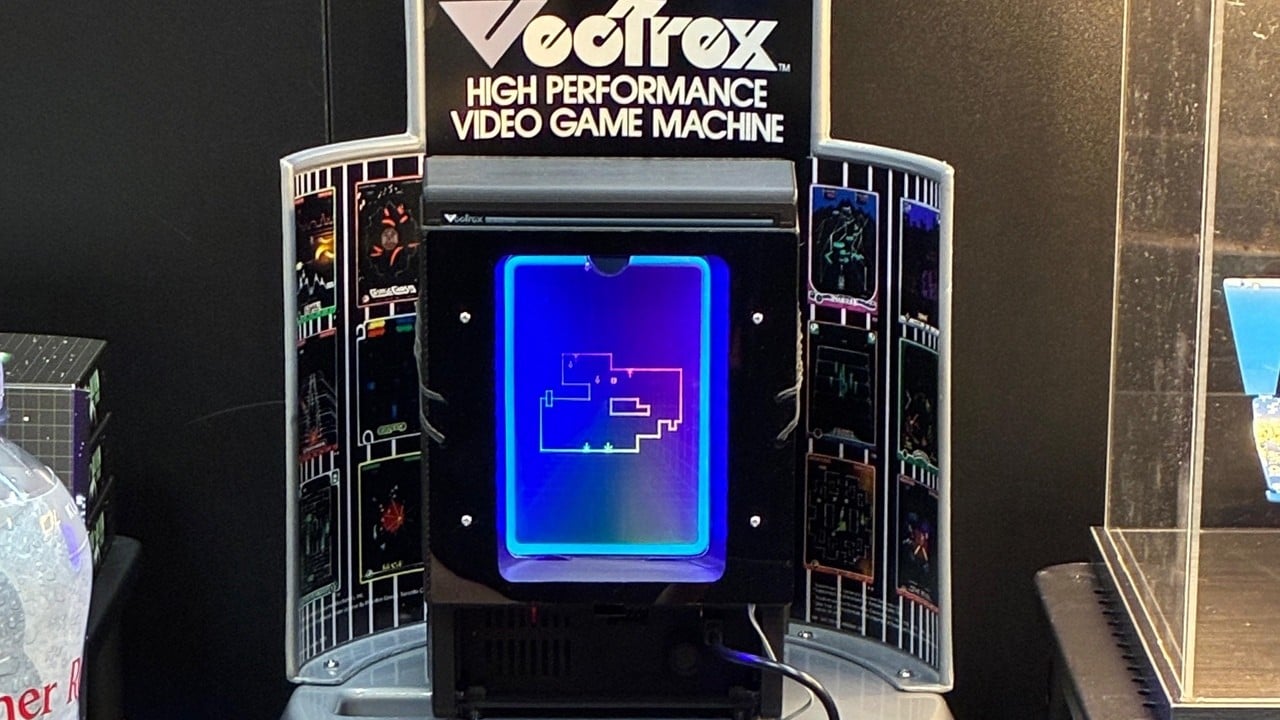
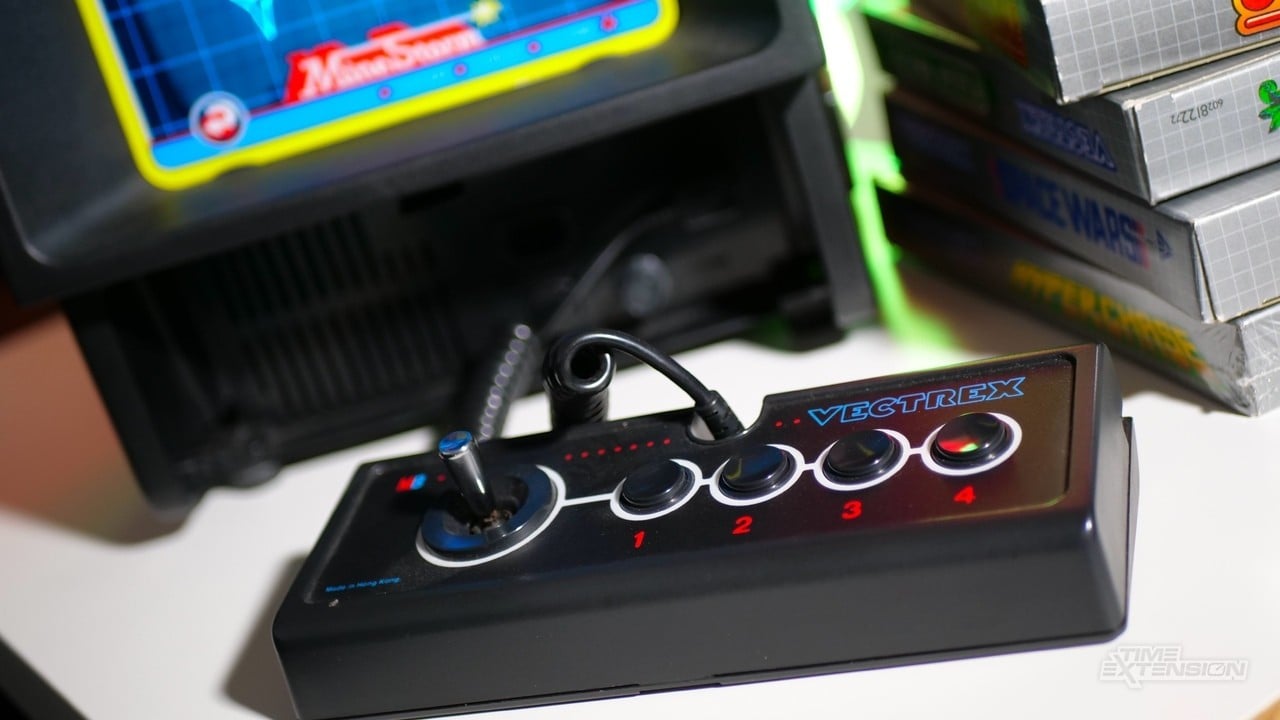
The Vectrex, a vector-based home console first sold in the early 1980s, gives DOOM a stark, wireframe look that highlights how the game's level geometry and enemies translate to line-based visuals.
The footage, released recently by modder Jason Kopp (known online as ArcadeJason), shows a playable DOOM demo rendered on the Vectrex display.
Kopp's build runs on the UVMC2 (Ultimate Vectrex Multicart 2), a contemporary multicart that effectively acts as an external execution platform while using the Vectrex as a dedicated vector monitor.
Audio in the demo is routed externally through a 3.5mm jack, rather than via native Vectrex sound hardware.
Journalistically paraphrasing the technical explanation supplied with the demo: the DOOM executable itself is not running natively on the Vectrex CPU.
Instead, the UVMC2 handles game execution and streams vector-compatible output to the Vectrex display, with audio handled separately.
The underlying DOOM build used in the demo relies on an SDK created by developer Daniel Ferrer Guerrero, who supplied tools and code that enabled the conversion to vector-friendly rendering.
DOOM's original 1993 release by id Software is widely known for spawning a large ecosystem of ports and source ports across platforms, from calculators and oscilloscopes to modern consoles.
The franchise and its engine have been adapted repeatedly by hobbyists and professional teams alike; the Vectrex demo is the latest example of that longstanding preservation and experimentation culture.
Observers noted the Vectrex aesthetic evokes early vector arcade titles such as Atari's Tempest (1981), Star Wars (1983), and Battlezone (1980), all of which used line-based graphics to define space and objects.
While the video is a proof of concept rather than a native Vectrex port, it underlines the creativity of the retro homebrew community and the longevity of DOOM as a platform-agnostic testbed.
For collectors and retro developers, the demo is a reminder that legacy hardware can still serve as an expressive display medium when paired with modern homebrew tools.
The UVMC2, ArcadeJason's work, and Guerrero's SDK together demonstrate how contemporary multicarts and developer toolchains can breathe new life into vintage systems.
The Vectrex, a vector-based home console first sold in the early 1980s, gives DOOM a stark, wireframe look that highlights how the game's level geometry and enemies translate to line-based visuals.
The footage, released recently by modder Jason Kopp (known online as ArcadeJason), shows a playable DOOM demo rendered on the Vectrex display.
Kopp's build runs on the UVMC2 (Ultimate Vectrex Multicart 2), a contemporary multicart that effectively acts as an external execution platform while using the Vectrex as a dedicated vector monitor.
Audio in the demo is routed externally through a 3.5mm jack, rather than via native Vectrex sound hardware.
Journalistically paraphrasing the technical explanation supplied with the demo: the DOOM executable itself is not running natively on the Vectrex CPU.
Instead, the UVMC2 handles game execution and streams vector-compatible output to the Vectrex display, with audio handled separately.
The underlying DOOM build used in the demo relies on an SDK created by developer Daniel Ferrer Guerrero, who supplied tools and code that enabled the conversion to vector-friendly rendering.
DOOM's original 1993 release by id Software is widely known for spawning a large ecosystem of ports and source ports across platforms, from calculators and oscilloscopes to modern consoles.
The franchise and its engine have been adapted repeatedly by hobbyists and professional teams alike; the Vectrex demo is the latest example of that longstanding preservation and experimentation culture.
Observers noted the Vectrex aesthetic evokes early vector arcade titles such as Atari's Tempest (1981), Star Wars (1983), and Battlezone (1980), all of which used line-based graphics to define space and objects.
While the video is a proof of concept rather than a native Vectrex port, it underlines the creativity of the retro homebrew community and the longevity of DOOM as a platform-agnostic testbed.
For collectors and retro developers, the demo is a reminder that legacy hardware can still serve as an expressive display medium when paired with modern homebrew tools.
The UVMC2, ArcadeJason's work, and Guerrero's SDK together demonstrate how contemporary multicarts and developer toolchains can breathe new life into vintage systems.