Mario & Sonic at the Olympic Games has become a celebrated crossover series, uniting two of the video game industry’s most recognizable mascots on Nintendo platforms. Developed in collaboration between Nintendo and Sega, the franchise first launched on the Nintendo Wii in 2007 and quickly gained momentum thanks to its competitive mini-games and universal appeal among fans of both iconic brands. A recent behind-the-scenes revelation from a former Sega producer offers new insight into the meticulous standards Nintendo enforces to safeguard its intellectual properties.
Ryoichi Hasegawa, who served as a producer at Sega of Japan during two stints between 1992-98 and 2007-12, shared this story in a conversation with the Arcade Attack Retro Gaming Network. Hasegawa recalled a memorable moment from the production of one of the early Mario & Sonic at the Olympic Games titles, which perfectly illustrates Nintendo’s renowned attention to detail and insistence on brand consistency.
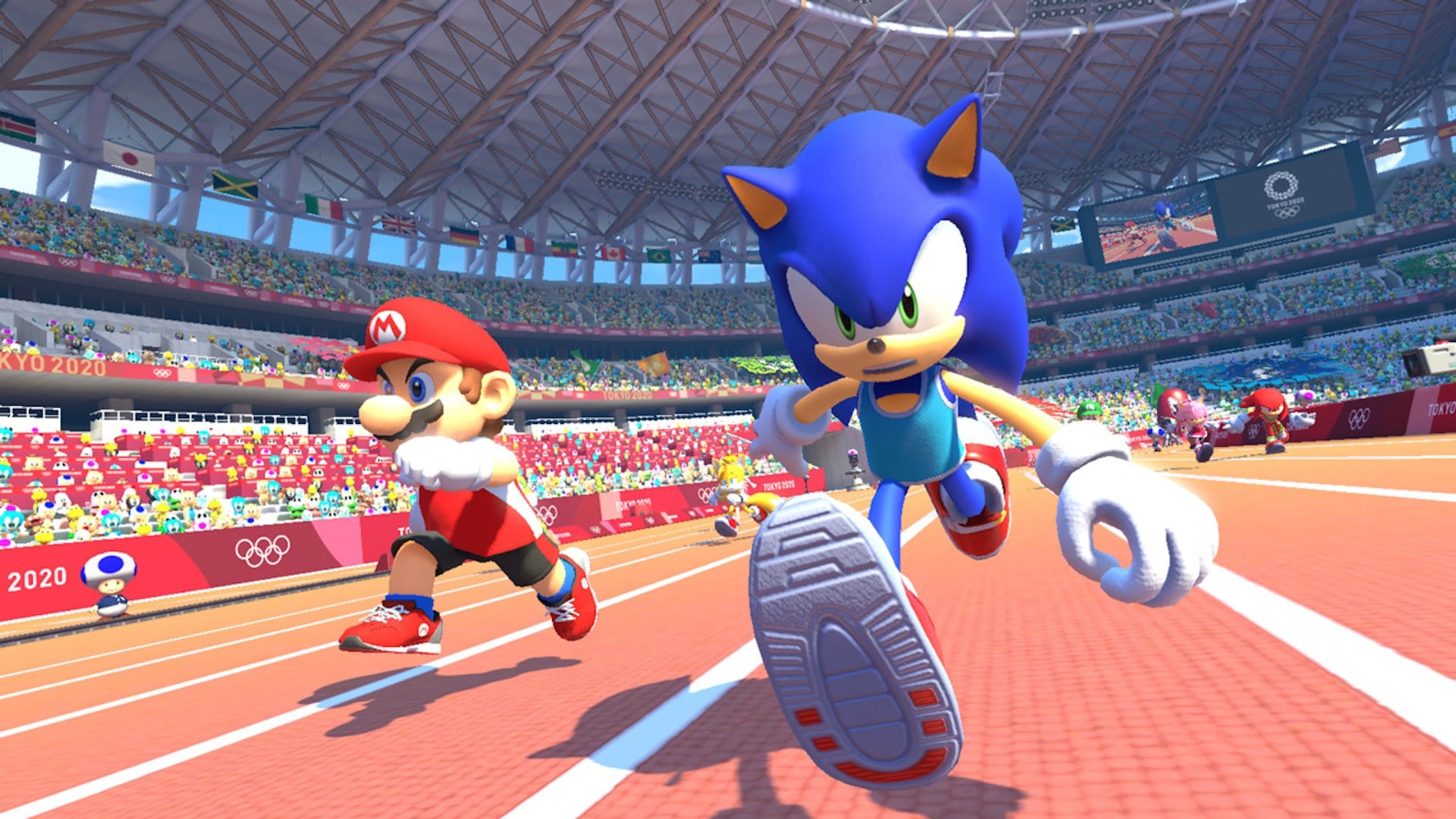
Hasegawa recounted that while preparing promotional and packaging artwork for the collaboration, Nintendo discovered a minor detail that did not meet their standards: "At one point, the artwork featured Sonic’s foot slightly ahead of Mario’s in the illustration used for the game’s cover, instruction manual, and cartridge label. Nintendo insisted that the order of the characters’ placement be changed to ensure Mario appeared ahead of Sonic." According to Hasegawa, the team promptly adjusted the artwork because adhering to Nintendo’s guidelines was a non-negotiable part of the partnership.
This anecdote reflects a broader trend in the way Nintendo collaborates with third-party developers. The company has a longstanding reputation for being highly protective of its intellectual property, ensuring that all representations, however minor, align with its vision and branding standards. "Of course, we had to make the change," Hasegawa said, noting that the deal hinged on such compliance.
Mario & Sonic at the Olympic Games has seen releases across several Nintendo hardware generations—including the Wii, Nintendo DS, Nintendo 3DS, and Nintendo Switch—with the latest entry, Mario & Sonic at the Olympic Games Tokyo 2020, launching in 2019. The enduring popularity of the franchise underscores both companies’ commitment to quality. To date, the series has sold millions of copies worldwide and remains a staple on the Nintendo eShop and at major gaming events such as Nintendo Direct showcases.
This story further highlights how even in cross-company collaborations, Nintendo retains a firm grip on the portrayal of its beloved characters, ensuring that the integrity of franchises like Mario is preserved for new and longtime fans alike.
Mario & Sonic at the Olympic Games: Former Sega Producer Shares Insight into Nintendo's Strict IP Standards
Nintendo News Hub
Related Topics
Explore more articles about these topics:
Source: NintendoSwitchLife