
Fire Emblem: Fortune's Weave, developed by Intelligent Systems and published by Nintendo, launches on 17 September for Nintendo Switch.
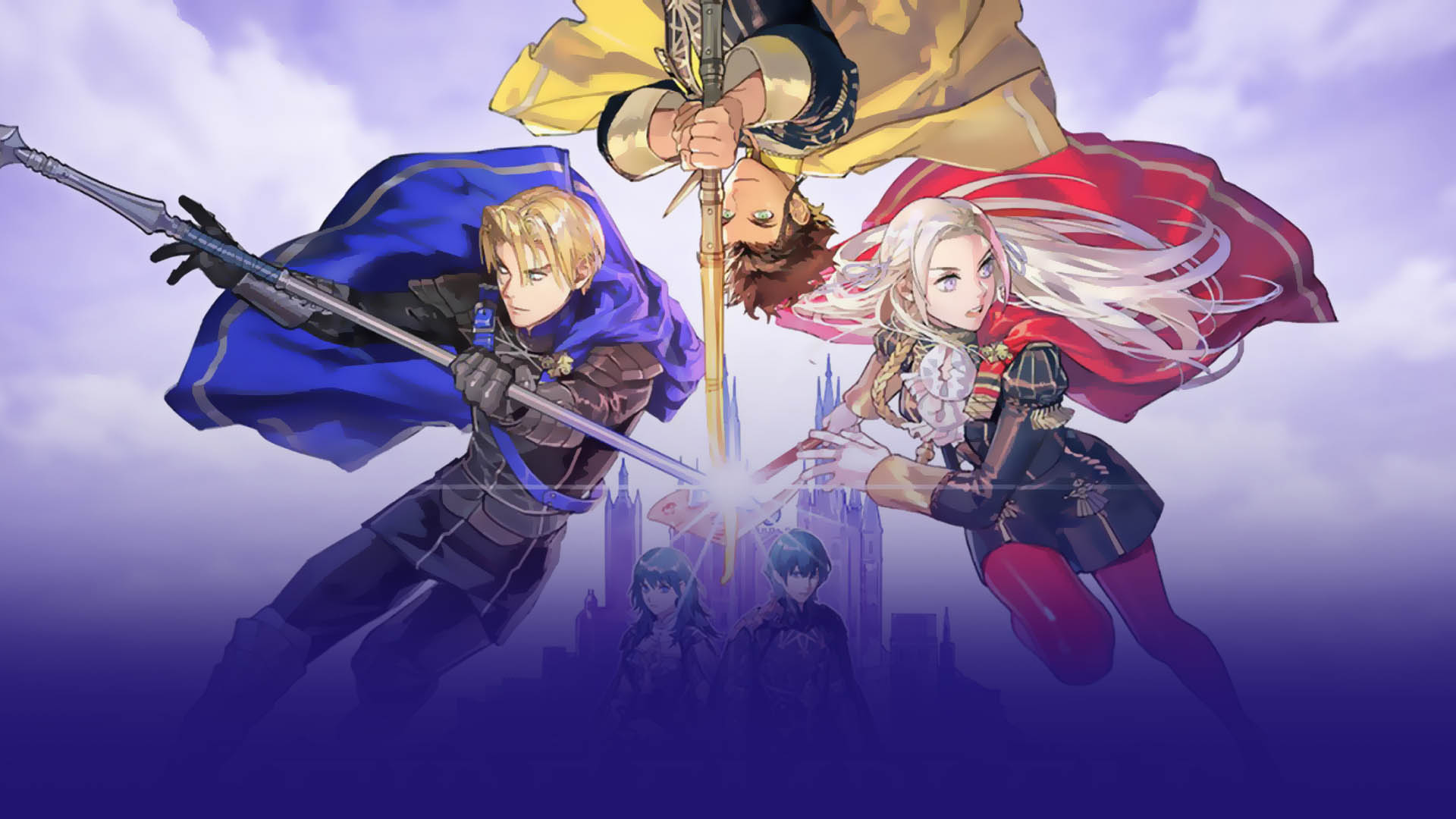
The new Fire Emblem entry follows the commercial and critical success of Fire Emblem: Three Houses, released in 2019, and was recently promoted by Nintendo via an Ask the Developer interview that goes behind the scenes with the development team.
In the interview, director Toshiyuki Kusakihara explained that the team felt a strong responsibility to build on Three Houses' success.
He said the studio initially explored an ambitious expansion of story perspectives, proposing a jump from Three Houses' three main viewpoints to as many as eight distinct protagonists.
Kusakihara noted that the intent was to present multiple narrative paths that would ultimately converge into a single, cohesive storyline.
Producer Genki Yokota acknowledged that an eight-way narrative split was creatively tempting, but ultimately impractical.
He observed that while such a structure could open many interesting possibilities, it risked overwhelming players and making the game feel overly complex.
For that reason, the team pared the concept back to a tighter cast.
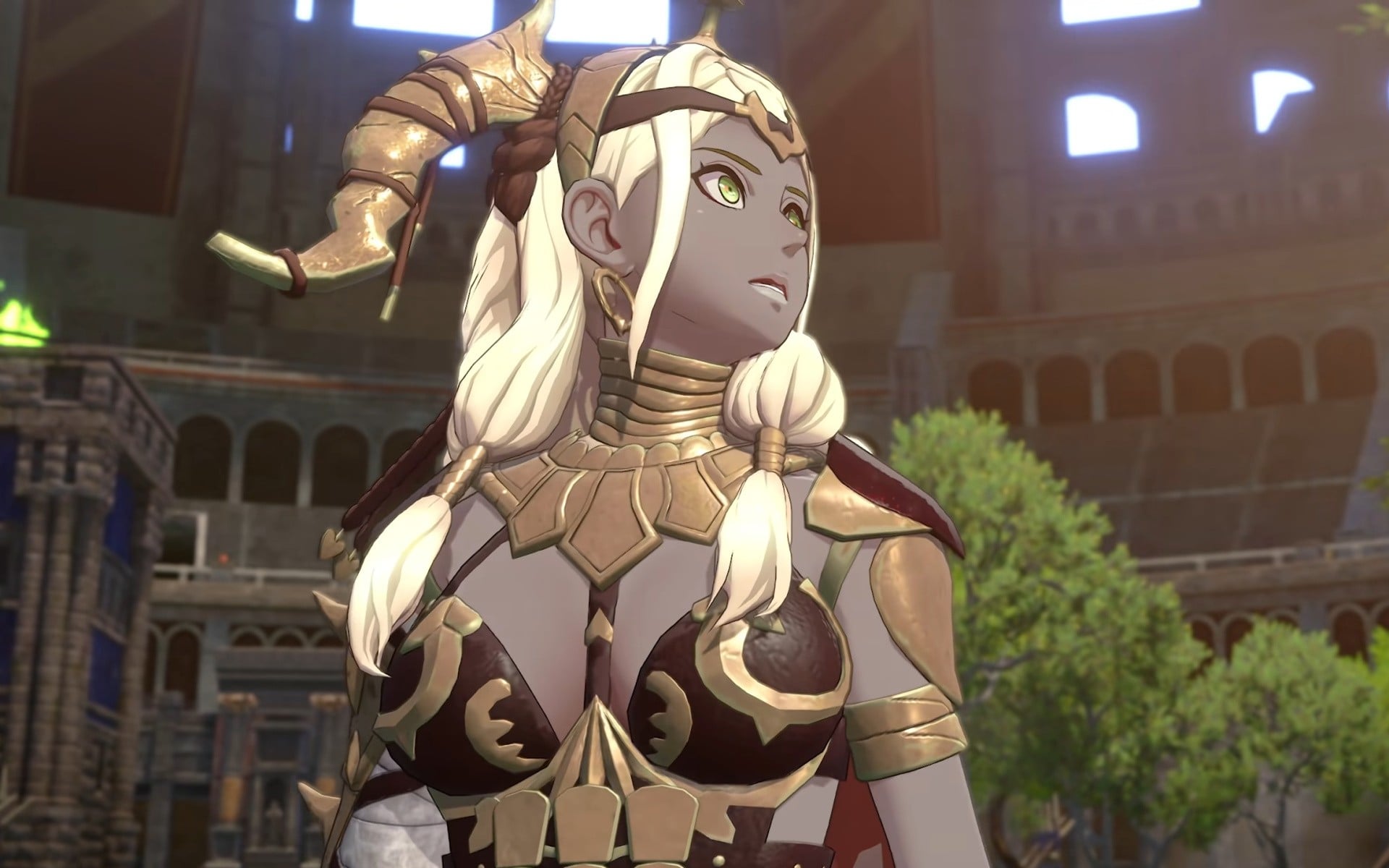
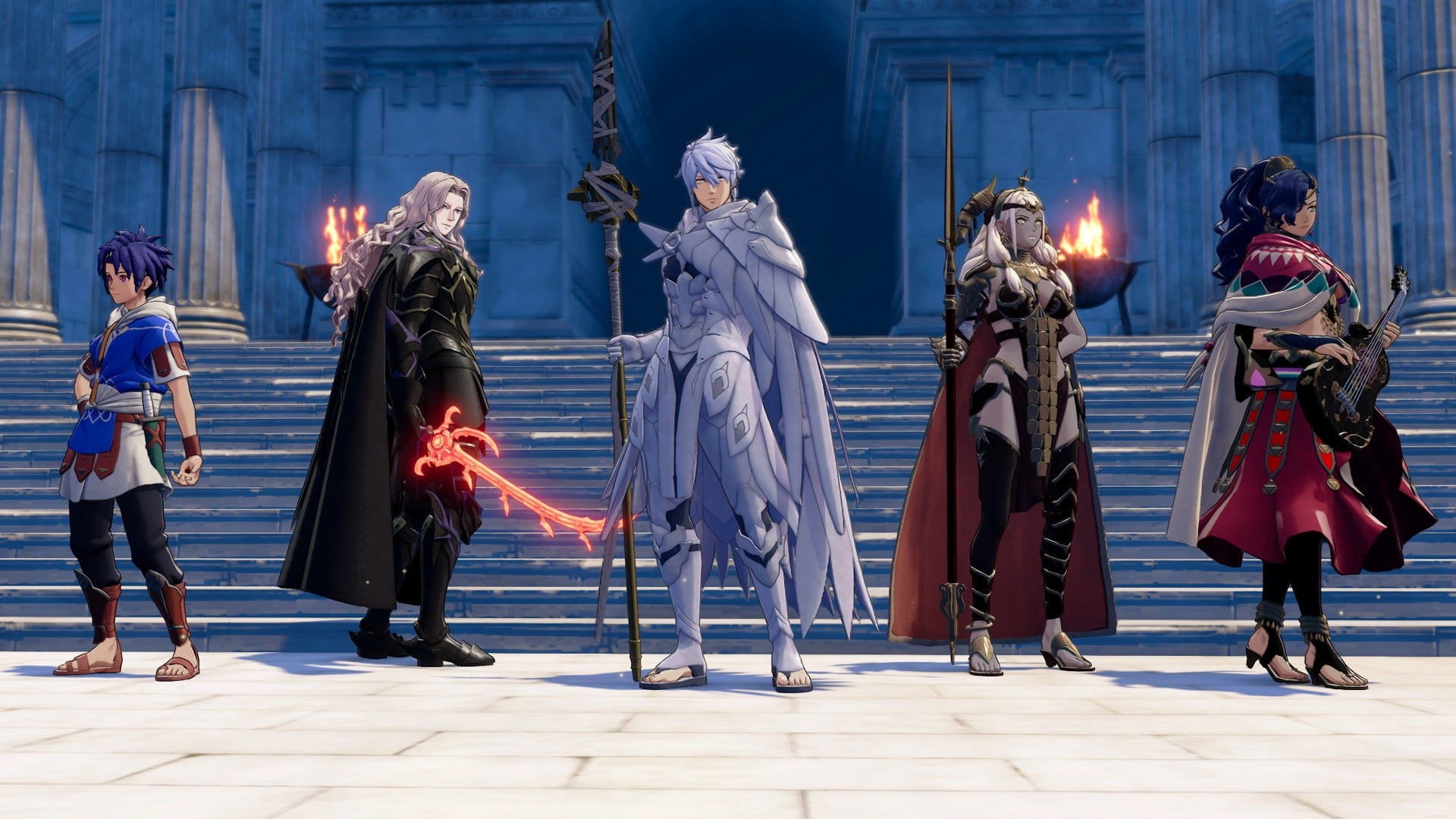
The final structure centers on four primary protagonists — Cai, Deitrich, Leda and Theodora — supported by a single overarching hero, Eshmel.
Associate producer Kenta Nakanishi said the addition of Eshmel, conceived midway through development, was intended to provide a character who could view the broader picture and serve a role similar to the professor figure in Three Houses.
According to Nakanishi, Eshmel helps unify the four protagonists' narratives and clarifies the game’s overall structure as they attempt to rebuild a fractured world.
Intelligent Systems reports that roughly half the development period was spent refining the core quartet before Eshmel was added to tie the narratives together.
The change reflects a deliberate move toward tighter narrative cohesion while preserving the series' tradition of multiple character-driven routes.
Fortune's Weave arrives this month on Nintendo Switch.
With its interwoven storylines and adjusted protagonist roster, the title marks an evolution in Intelligent Systems' approach to large-scale Fire Emblem narratives and will be of particular interest to players and observers tracking design trends in strategy RPGs.
The new Fire Emblem entry follows the commercial and critical success of Fire Emblem: Three Houses, released in 2019, and was recently promoted by Nintendo via an Ask the Developer interview that goes behind the scenes with the development team.
In the interview, director Toshiyuki Kusakihara explained that the team felt a strong responsibility to build on Three Houses' success.
He said the studio initially explored an ambitious expansion of story perspectives, proposing a jump from Three Houses' three main viewpoints to as many as eight distinct protagonists.
Kusakihara noted that the intent was to present multiple narrative paths that would ultimately converge into a single, cohesive storyline.
Producer Genki Yokota acknowledged that an eight-way narrative split was creatively tempting, but ultimately impractical.
He observed that while such a structure could open many interesting possibilities, it risked overwhelming players and making the game feel overly complex.
For that reason, the team pared the concept back to a tighter cast.
The final structure centers on four primary protagonists — Cai, Deitrich, Leda and Theodora — supported by a single overarching hero, Eshmel.
Associate producer Kenta Nakanishi said the addition of Eshmel, conceived midway through development, was intended to provide a character who could view the broader picture and serve a role similar to the professor figure in Three Houses.
According to Nakanishi, Eshmel helps unify the four protagonists' narratives and clarifies the game’s overall structure as they attempt to rebuild a fractured world.
Intelligent Systems reports that roughly half the development period was spent refining the core quartet before Eshmel was added to tie the narratives together.
The change reflects a deliberate move toward tighter narrative cohesion while preserving the series' tradition of multiple character-driven routes.
Fortune's Weave arrives this month on Nintendo Switch.
With its interwoven storylines and adjusted protagonist roster, the title marks an evolution in Intelligent Systems' approach to large-scale Fire Emblem narratives and will be of particular interest to players and observers tracking design trends in strategy RPGs.