The Adventures of Elliot: Millennium Tales arrives on Nintendo Switch 2 on June 17, and developer JP Games is clarifying the creative influences behind the title as it nears launch.
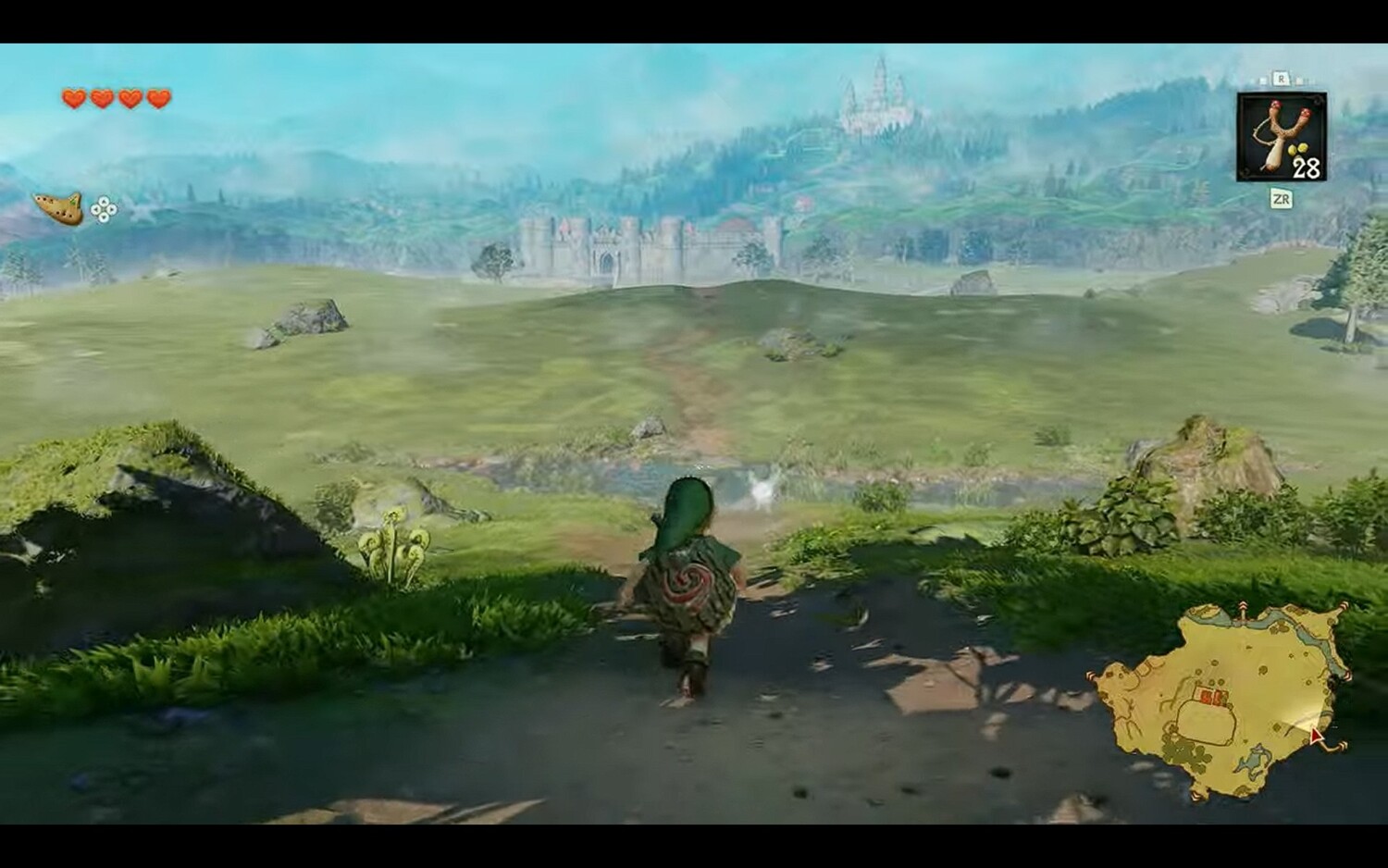
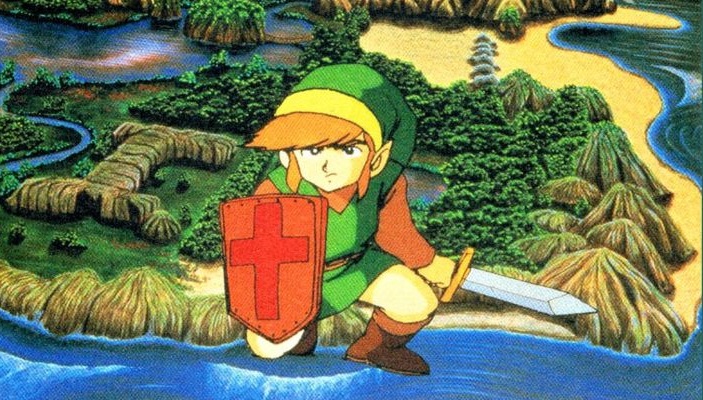
Published by Square Enix, the action-adventure game has drawn frequent comparisons to classic top-down entries in The Legend of Zelda series since its reveal, driven by shared elements such as shrines, puzzle-focused dungeons, a top-down perspective and companion-based mechanics.
Ahead of release, producer Naofumi Matsushita offered a measured response that reframes where the team’s design inspiration truly comes from.
Developer response and design lineage
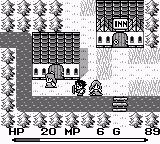
In an interview with JP Games, producer Naofumi Matsushita explained that The Adventures of Elliot: Millennium Tales was intentionally inspired by the Mana series—specifically the Game Boy-era Final Fantasy Adventure—rather than the Zelda franchise.
Matsushita said the team aimed to capture the distinct gameplay feel that grew out of the Mana lineage and hopes players will recognize that foundation when they play.
He also noted that player impressions vary and that the studio welcomes all feedback without labeling comparisons as strictly positive or negative.
Ultimately, Matsushita emphasized that JP Games wants as many players as possible to experience the game firsthand and share their impressions.
What this means for players
- Release and demo: The Adventures of Elliot: Millennium Tales launches for Nintendo Switch 2 on June 17.
Square Enix also released a demo of the title ahead of launch to give players early access to its core systems.
- Gameplay expectations: Based on developer statements and preview materials, the game combines top-down exploration, action-oriented combat, environmental puzzles and a companion system—elements that have invited side-by-side comparisons to other classics in the genre.
- Creative intent: JP Games attributes the game’s core feel to the Mana series and the Game Boy title Final Fantasy Adventure, positioning Elliot’s mechanics and pacing within that specific lineage.
With its June 17 release on Nintendo Switch 2, The Adventures of Elliot: Millennium Tales will enter a market attentive to nostalgic design references.
JP Games’ clear crediting of the Mana series provides context for players and critics evaluating the title’s influences and design choices as it arrives on Nintendo’s new hardware.
Published by Square Enix, the action-adventure game has drawn frequent comparisons to classic top-down entries in The Legend of Zelda series since its reveal, driven by shared elements such as shrines, puzzle-focused dungeons, a top-down perspective and companion-based mechanics.
Ahead of release, producer Naofumi Matsushita offered a measured response that reframes where the team’s design inspiration truly comes from.
Developer response and design lineage
In an interview with JP Games, producer Naofumi Matsushita explained that The Adventures of Elliot: Millennium Tales was intentionally inspired by the Mana series—specifically the Game Boy-era Final Fantasy Adventure—rather than the Zelda franchise.
Matsushita said the team aimed to capture the distinct gameplay feel that grew out of the Mana lineage and hopes players will recognize that foundation when they play.
He also noted that player impressions vary and that the studio welcomes all feedback without labeling comparisons as strictly positive or negative.
Ultimately, Matsushita emphasized that JP Games wants as many players as possible to experience the game firsthand and share their impressions.
What this means for players
- Release and demo: The Adventures of Elliot: Millennium Tales launches for Nintendo Switch 2 on June 17.
Square Enix also released a demo of the title ahead of launch to give players early access to its core systems.
- Gameplay expectations: Based on developer statements and preview materials, the game combines top-down exploration, action-oriented combat, environmental puzzles and a companion system—elements that have invited side-by-side comparisons to other classics in the genre.
- Creative intent: JP Games attributes the game’s core feel to the Mana series and the Game Boy title Final Fantasy Adventure, positioning Elliot’s mechanics and pacing within that specific lineage.
With its June 17 release on Nintendo Switch 2, The Adventures of Elliot: Millennium Tales will enter a market attentive to nostalgic design references.
JP Games’ clear crediting of the Mana series provides context for players and critics evaluating the title’s influences and design choices as it arrives on Nintendo’s new hardware.