
Introduction
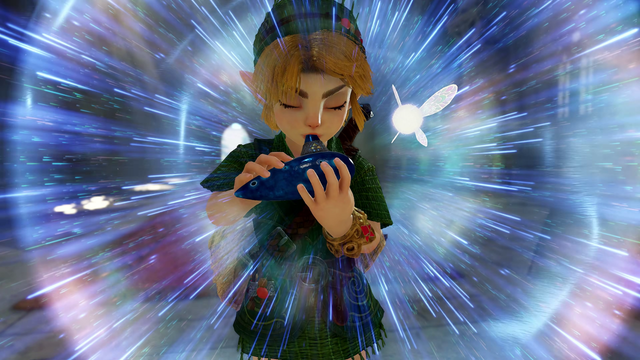
The Zelda: Ocarina of Time remake for Nintendo's next hardware has been the subject of a new technical deep dive from Digital Foundry.
The original Ocarina of Time launched on the Nintendo 64 in 1998 and was later remastered for the Nintendo 3DS in 2011.
Digital Foundry's analysis focuses on graphical and performance upgrades that distinguish this remake from both predecessors and suggests the project leans on modern Nintendo rendering technology.
Key findings from Digital Foundry
Digital Foundry describes the remake as a substantial upgrade over the N64 original, noting rebuilt visuals and a doubled frame rate compared with the N64 version.
Their technical testing highlights both rendering choices and gameplay-quality improvements.
Below is a concise summary of verified observations from the analysis:
- Engine and tech: Analysis indicates the remake appears to use underlying technology similar to Breath of the Wild's rendering approach.
- Upscaling and anti-aliasing: The build does not use NVIDIA DLSS.
It employs SMAA anti-aliasing combined with AMD FSR1 upscaling.
- Resolution and dynamic scaling: Docked mode can reach up to 1440p with dynamic resolution scaling down toward roughly 1080p during heavier scenes.
Handheld mode runs between approximately 1080p and 720p depending on load.
- Visual systems: The game introduces proper physically based rendering materials, a more advanced global illumination system with robust ambient occlusion, and generally more detailed world geometry and foliage.
- Environmental detail and interactivity: DF observed richer brickwork, varied foliage that reacts to Link's movement and nearby air, and physicalized pot shards that remain in the world after destruction.
- Scene and area design: Some zones have been substantially reworked, including a seamless Castle Town and altered areas such as the castle yard.
Major zones still load separately, but many buildings stream without separate loads.
- Animation and presentation: New animation work, expanded cutscenes with voice acting, additional sound design and orchestrated music were all noted.
Navi now functions as an in-world light source.
- Gameplay tweaks: New HUD options, hookshot anchor points, static drawbridge behavior, and full 360-degree movement while climbing were observed.
- Performance target: The remake targets 60 frames per second and delivers an extremely stable frame rate in Digital Foundry's testing.
DF reports that in docked mode the frame timing is so consistent that variable refresh rate is largely unnecessary, with only minor loading-related hiccups recorded.
By comparison, DF notes the N64 original ran at roughly 20 FPS while the 3DS remaster targeted 30 FPS.
Conclusion
Digital Foundry's video and written analysis provide the most complete public technical breakdown to date, documenting how modern rendering systems and quality-of-life changes bring Zelda: Ocarina of Time closer to contemporary Nintendo titles.
For readers interested in frame-time charts and side-by-side comparisons, consult Digital Foundry's full technical video and article for the detailed footage and metrics.