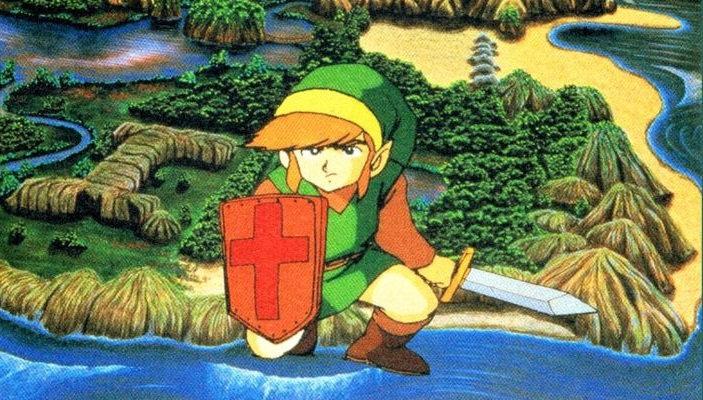

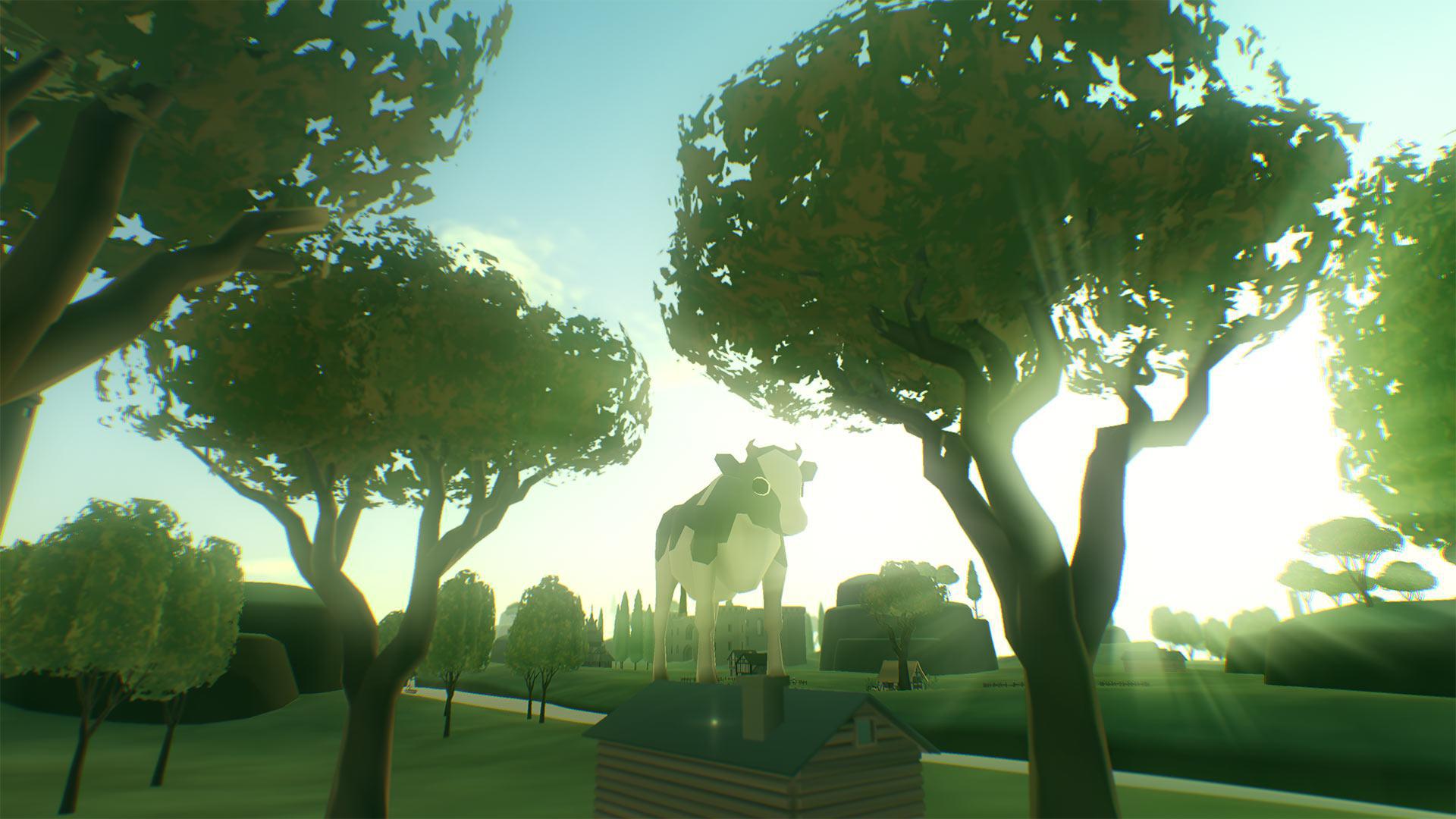
The Legend of Zelda: Ocarina of Time remake arrives as one of gaming’s most consequential restorations — a project that revisits the 1998 Nintendo 64 landmark and adapts it for modern hardware.
Developed and published by Nintendo, the original title is widely credited with shaping 3D action-adventure design; composer Koji Kondo’s score and the game’s pioneering Z-targeting system remain influence points for designers today.
This reimagining for Nintendo Switch 2 aims to preserve the original structure while bringing Hyrule to life with contemporary visuals, reorchestrated audio, and streamlined systems.
In plain terms: the remake prioritizes enhancement over reinvention.
The development team retained the core structure, story, dungeons, and progression of the 1998 classic, while modernizing presentation, performance, and accessibility.
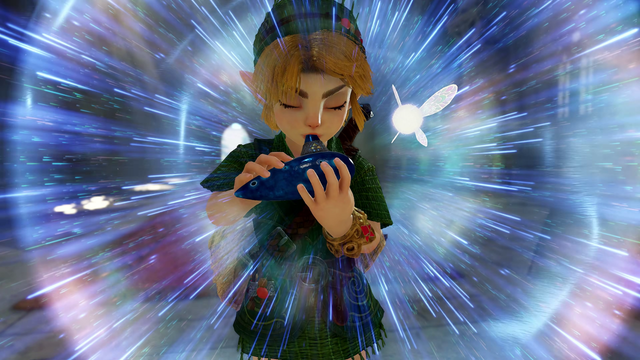
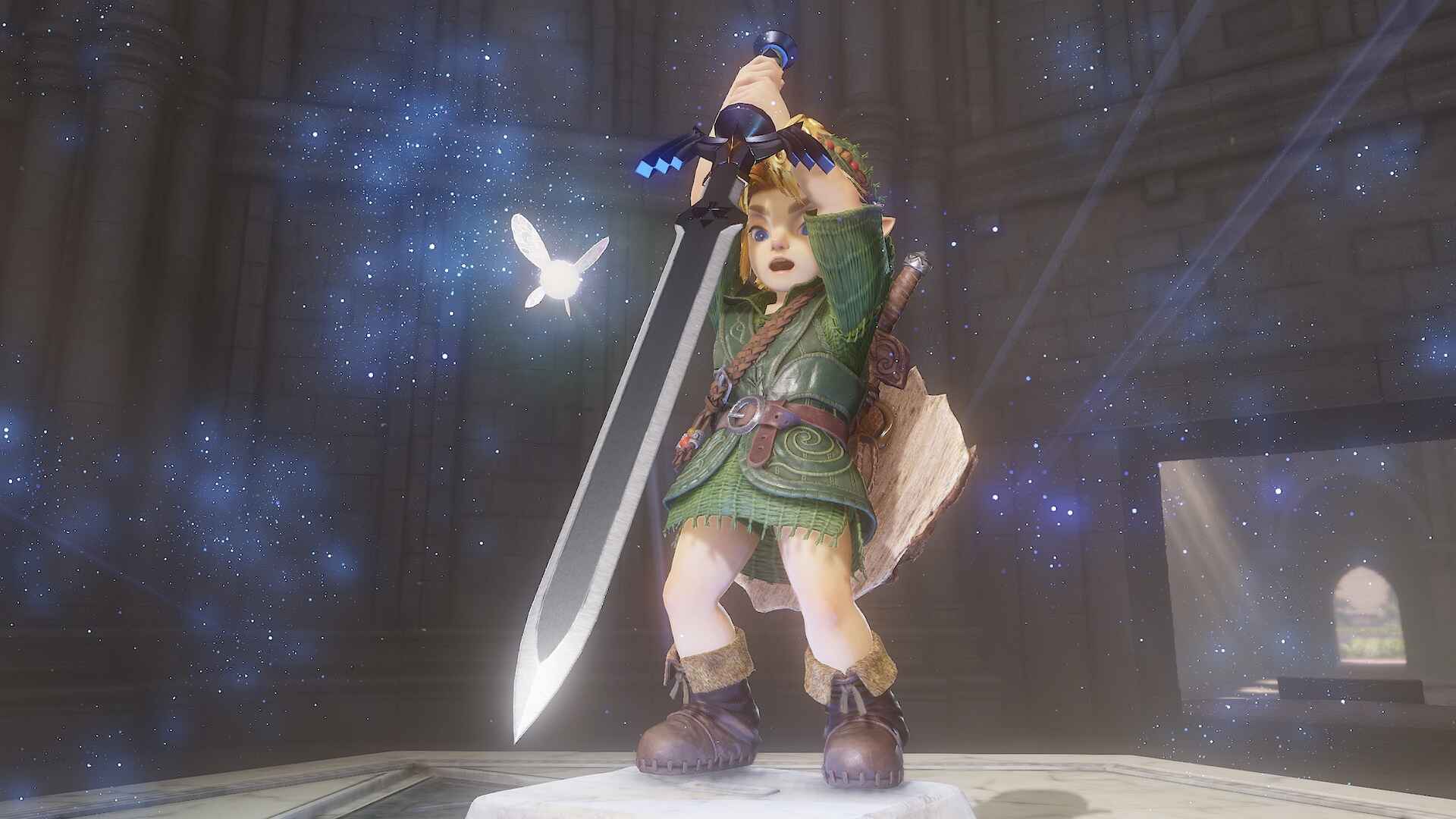
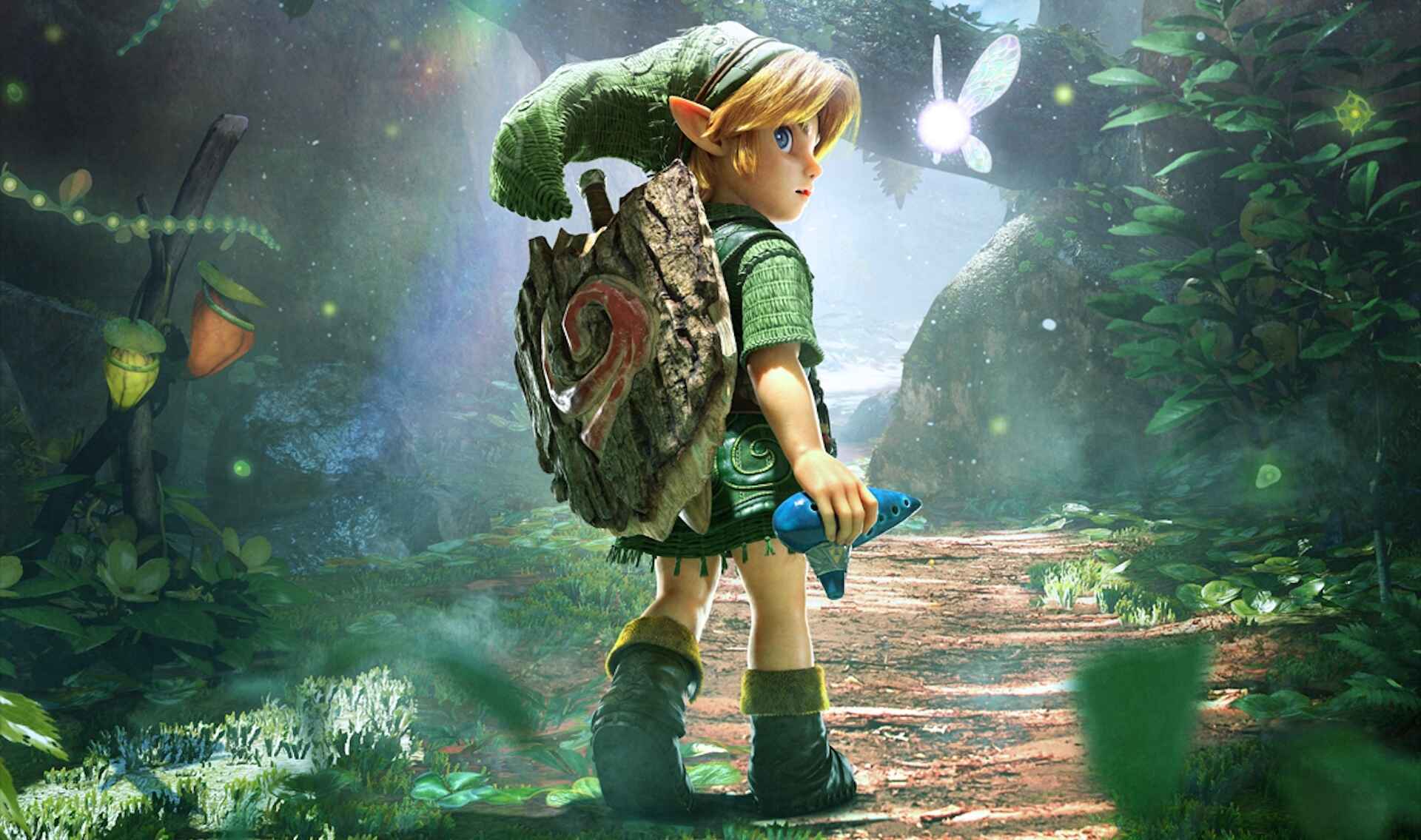
Where the original’s textured, low-poly world left room for imagination, this version fills those spaces with detailed environments, expressive character models, and cinematic cutscenes that include voiced moments without sacrificing the game’s spirit.
Visually, Hyrule benefits from a careful stylistic overhaul.
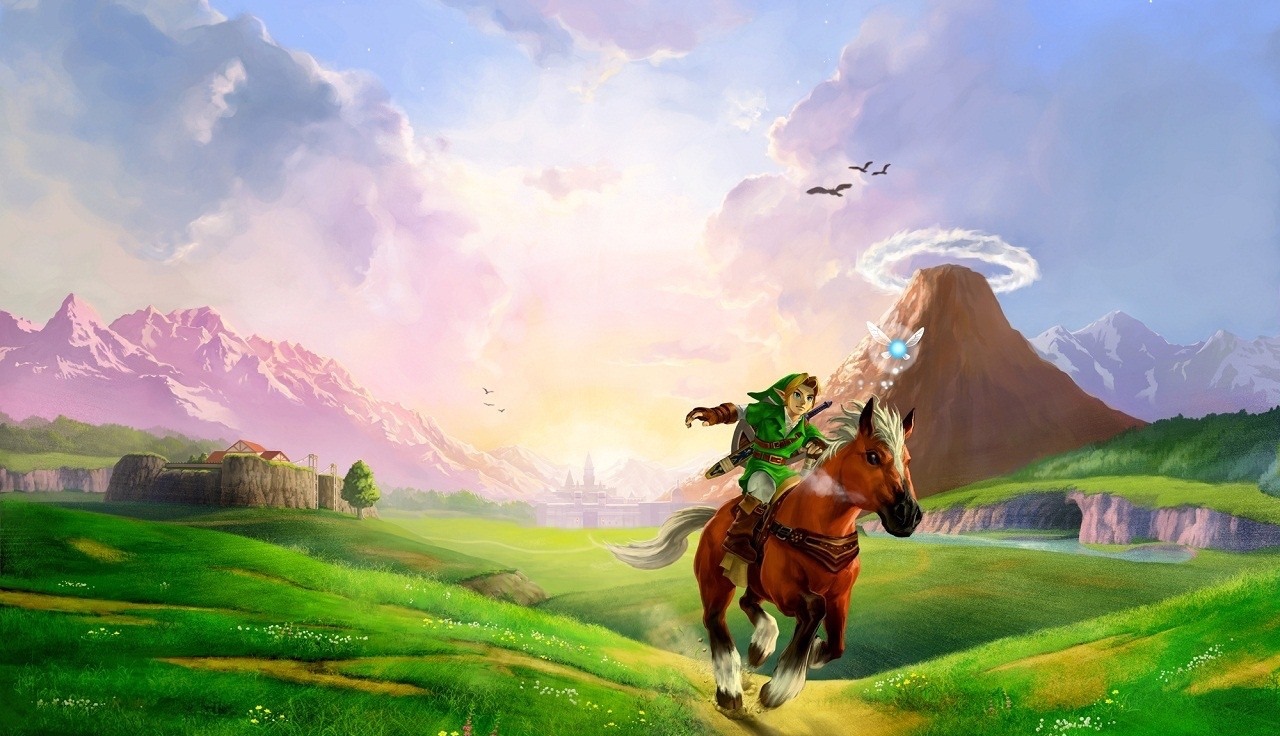
Hyrule Castle Town, the Zora Domain, and Hyrule Field now feature richer lighting, distant landmarks that draw the eye, and environmental detail that supports exploration on horseback with Epona.
Character models and facial animation lend greater emotional weight to key scenes, and antagonists such as Ganondorf are framed more menacingly through improved presentation.
Gameplay refinements are practical and consumer-facing.
Inventory and navigation receive quality-of-life upgrades: broader control mappings, clearer side-quest tracking, and more responsive menu interactions.
The Z-targeting combat system — a defining mechanic from the original — is refined for a higher framerate and smoother input, while quick item swaps and updated animations make combat feel more immediate.
Core dungeon design remains intact: Forest Temple, Fire Temple, Spirit Temple and others retain their original puzzle-driven identities, with the Water Temple’s Iron Boots management notably streamlined.
The soundtrack is a standout success.
Koji Kondo’s themes have been re-recorded and arranged to preserve their emotional core while taking advantage of modern audio fidelity.
Music such as Zelda’s Lullaby and Saria’s Song retain their melodic strength and support the remake’s atmosphere.
The package is not a content-heavy reinterpretation: beyond the Hall of Fallen Heroes and select expanded activities, the experience stays true to the original adventure rather than adding wholly new dungeons or plotlines.
Master Quest is not immediately accessible in the build tested and appears absent from the main menu.
Version Tested: Nintendo Switch 2 (review code provided by Nintendo).
Conclusion: As a measured reimagining, the Ocarina of Time remake succeeds in delivering a definitive way to experience one of gaming’s most influential titles.
It smooths old rough edges, modernizes presentation and controls, and preserves the enduring dungeon and level design that made the original a touchstone for the action-adventure genre.