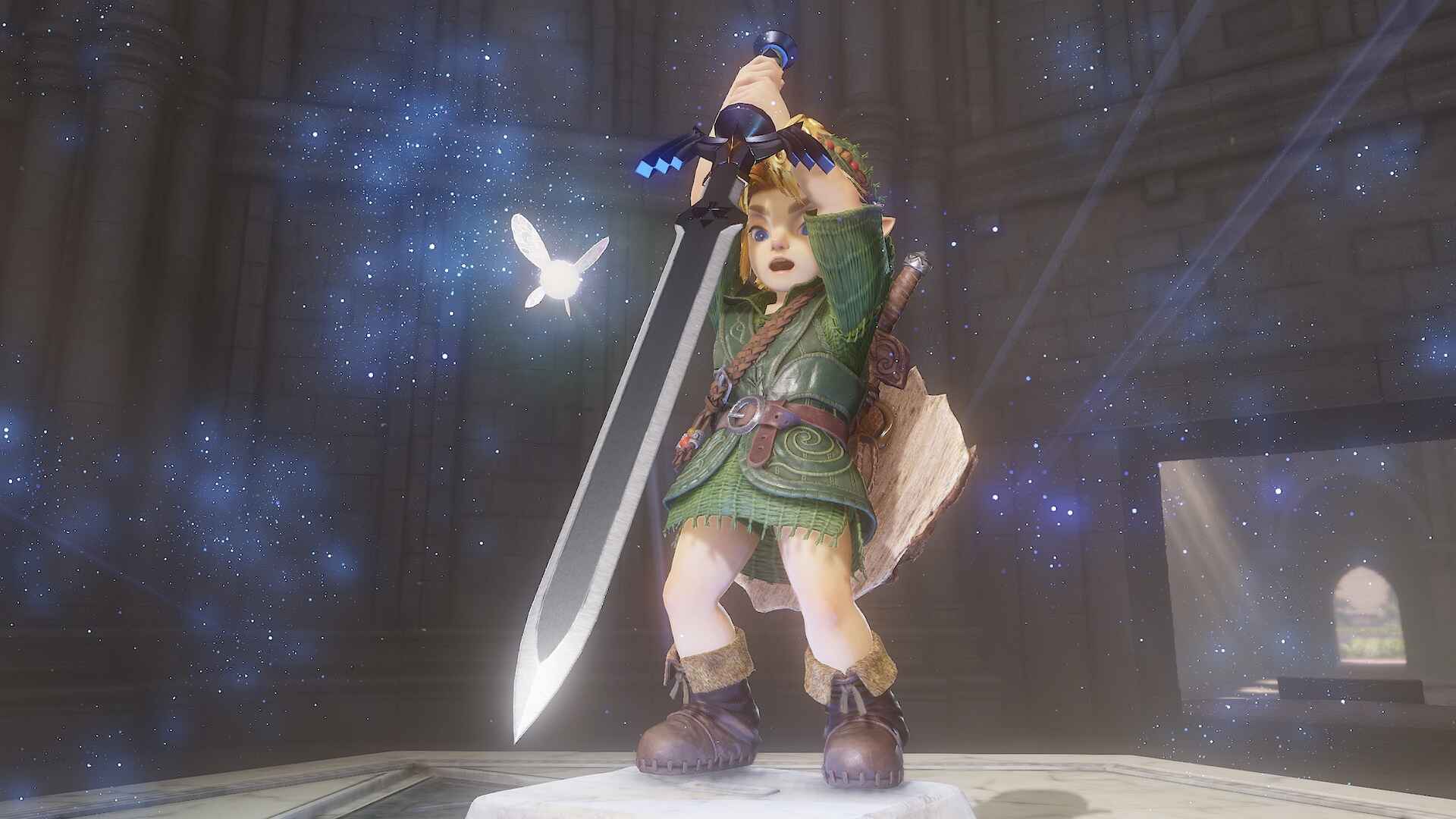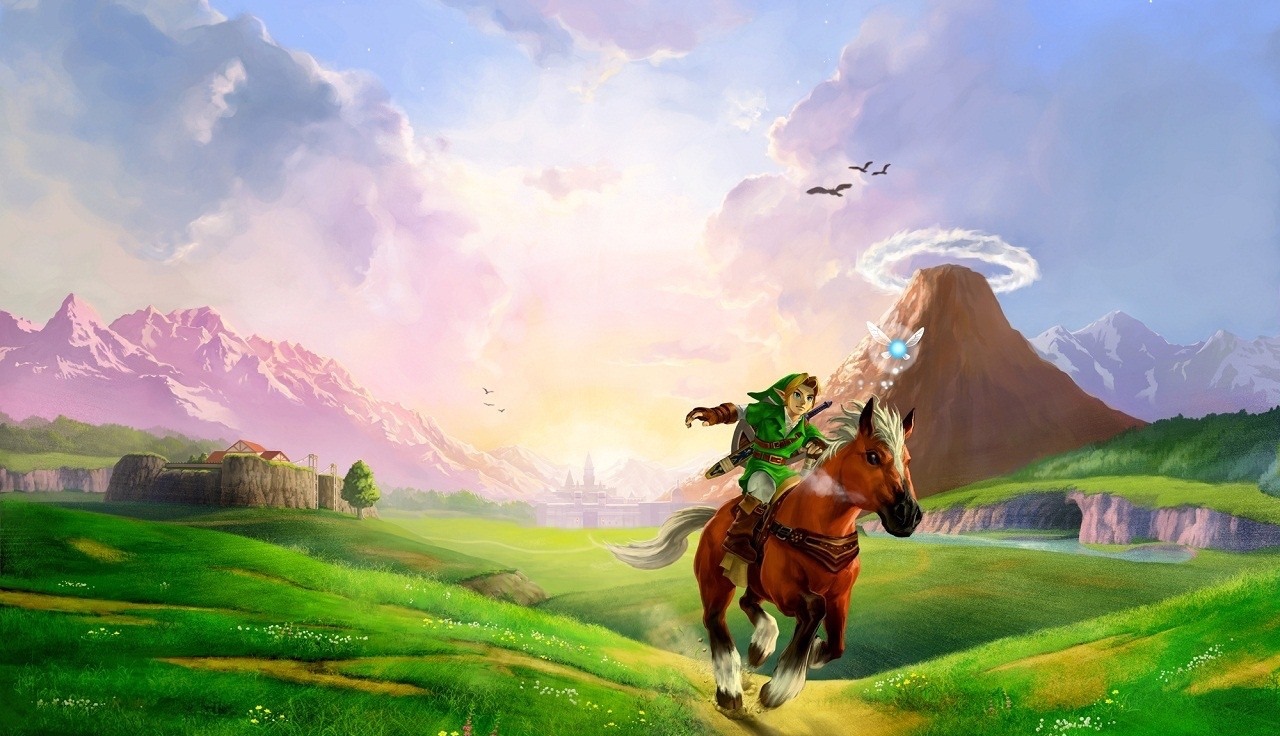
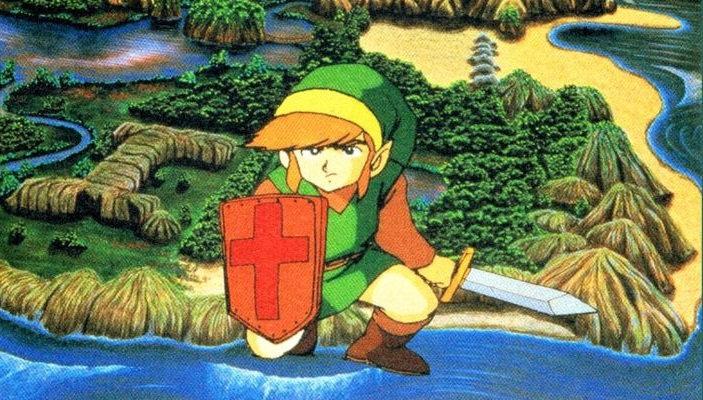

The Legend of Zelda: Ocarina of Time remake has introduced a new in-game feature called the "Threads of Time," a tapestry-style progress tracker designed to visualize Link's journey and prompt conversation between players.
The original Ocarina of Time debuted on the Nintendo 64 in 1998 and has since seen notable re-releases, including a high-profile remaster, The Legend of Zelda: Ocarina of Time 3D, developed by Grezzo for the Nintendo 3DS in 2011.
Nintendo has repeatedly refreshed the franchise across platforms and digital storefronts such as the Nintendo eShop and occasional Nintendo Direct showcases.
In an "Ask the Developer" column about the remake, director HokWai Ng described the tapestry as an intentional bridge between generations.
Ng explained that the team envisioned older players—many of whom experienced Ocarina of Time as children—playing alongside their own children, and wanted the tapestry to foster shared discussion about the game's moments and milestones.
Art director Aya Shida said the team established a picture-book visual direction for the tapestry early in development and believed the illustrations would make the feature stand out from conventional menu screens.
Producer Hidemaro Fujibayashi noted that because the core story of Ocarina of Time has been complete since the 1990s, the team focused on a new way of presenting that narrative rather than altering its substance.
Taken together, the comments underscore Nintendo's design intent: the Threads of Time is both a stylistic flourish and a functional recap that supports player engagement.
The tapestry fills in as players progress, offering a visual record of key events rather than a simple checklist.
That approach aligns with broader trends in remakes and remasters, where developers aim to preserve core storytelling while enhancing accessibility and presentation.
For publishers and developers, the Threads of Time illustrates how UI and narrative framing can be used to bridge play sessions and player generations.
Whether appearing on modern platforms like the Nintendo Switch or as part of a future Nintendo Direct reveal, features that encourage shared play and memory can add lasting value to classic titles.
The remake's design team has signaled that, beyond fidelity to the original, small systems that promote social interaction remain central to reintroducing canonical games to new audiences.