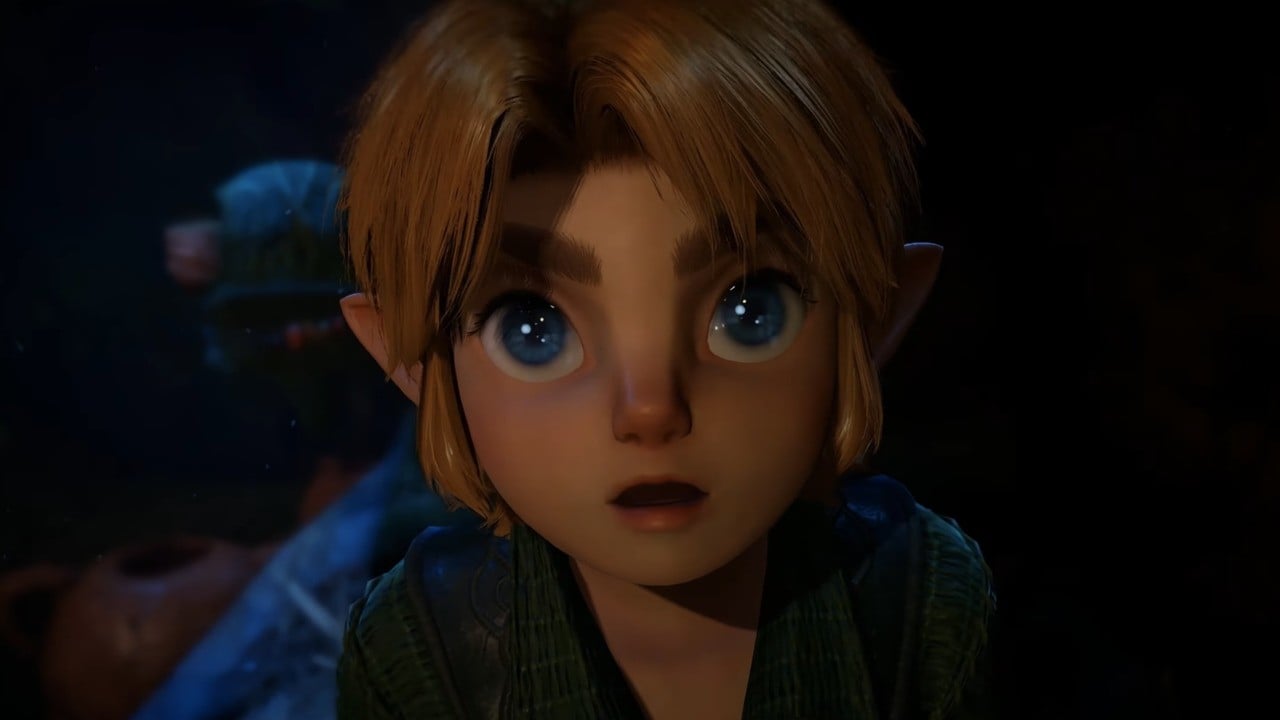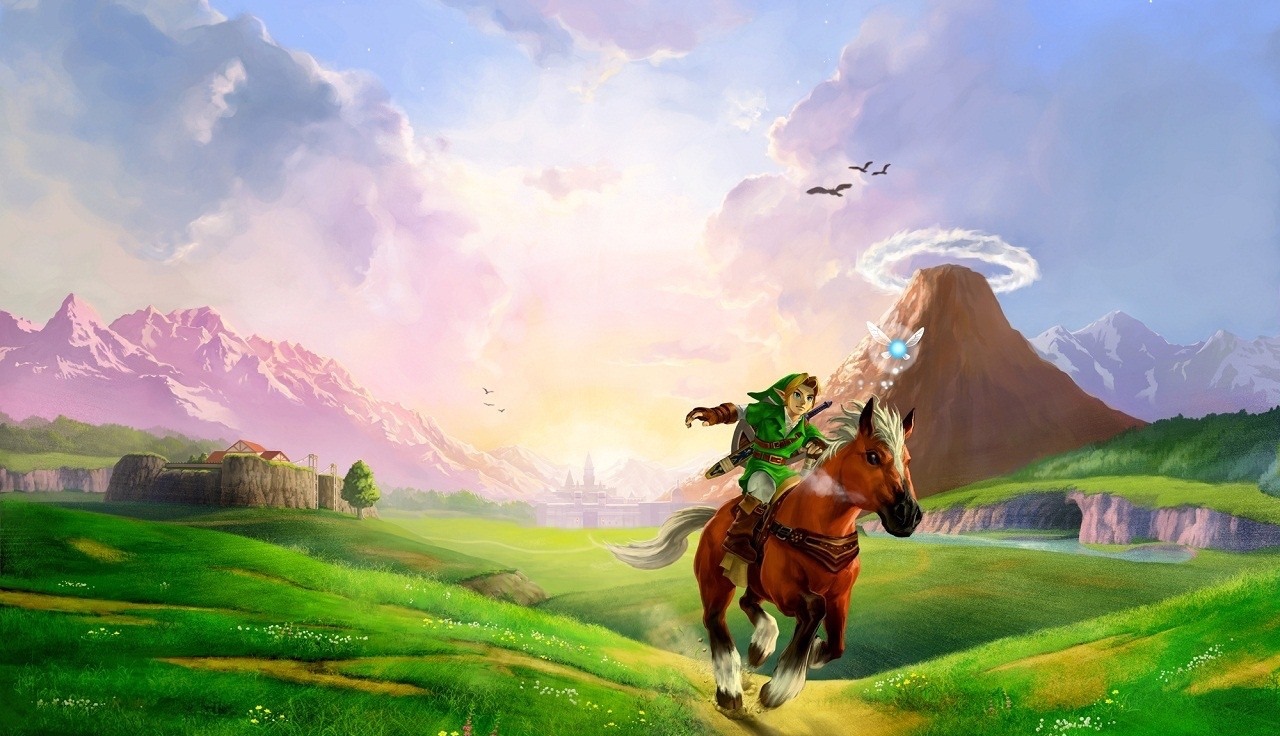


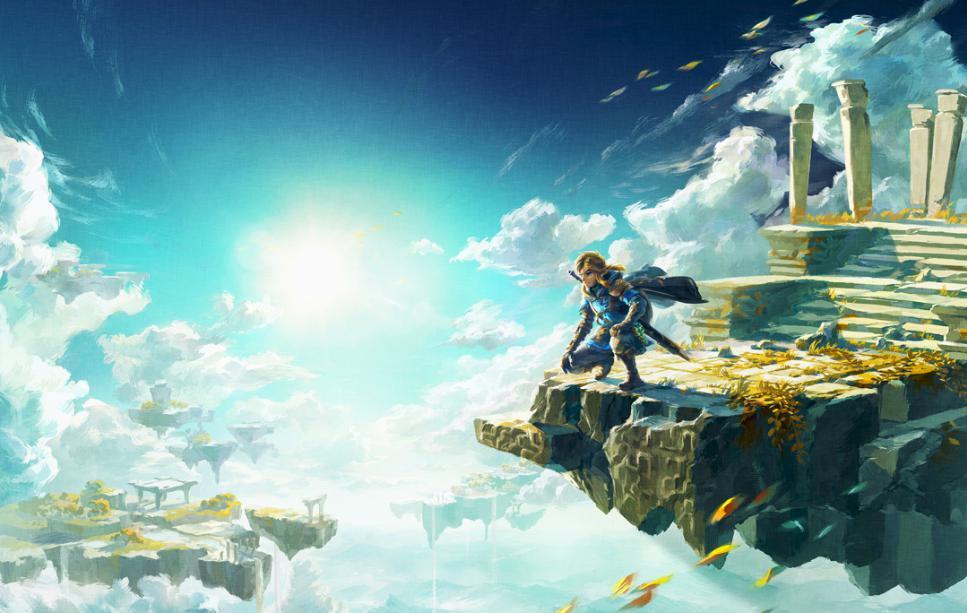
Nintendo is relaunching The Legend of Zelda: Ocarina of Time as a full remake exclusive to Nintendo Switch 2, with the game set to arrive on Thursday, November 5.
Developed by Nintendo’s internal Zelda team to commemorate the series’ 40th anniversary, the project reexamines the 1998 Nintendo 64 classic with modern audio, visuals, and accessibility while preserving the original’s emotional core.
Music and sound design
Audio director Ohashi explained the remake features more than 150 background music tracks and that the team recorded a full orchestra for the project.
He said the development team deliberately applied orchestral power to grand themes while keeping simpler pieces minimally arranged to retain their original clarity, and consulted Koji Kondo on interpretation.
The team also used original Nintendo 64 sound sources as references to faithfully recreate distinctive textures rather than simply sampling the old audio, a deliberate choice meant to reconnect longtime players with the original experience.
The audio mix includes layered ambient effects — leaves in the wind, water over rocks, insect and bird calls — to enhance a sense of presence as players move through locations such as Kokiri Forest.
The game supports 5.1-channel surround sound and can deliver richer spatial audio through headphones on Nintendo Switch 2, the developers said.
Ocarina mechanics and voice recognition
Nintendo implemented voice-recognition support using the Switch 2’s built-in microphone so players can hum or play an ocarina and have the game recognize and reproduce the melody.
Ng and Aonuma described the feature as an intuitive, purely optional interaction that makes the ocarina feel more immediate and tactile.
Voice acting and accessibility
Cutscenes in the remake are fully voiced.
The team conducted blind auditions to match character tones to players’ memories of the original; during that process they discovered one actor selected had also voiced the same role in the Nintendo 64 release.
On accessibility, the team said they introduced controls and items progressively and added modern help systems, including ZELDA NOTES (which requires a Nintendo Account, persistent internet and a compatible smart device), to make the game approachable for newcomers without erasing the original’s challenge for veterans.
Developer intent
Producer Eiji Aonuma framed the remake as more than a visual update: the team reexamined the original from individual perspectives to add richness and make the world feel closer and more tangible.
The developers said their goal was to let longtime fans revisit memories while offering newcomers a clear, modern entry point into the series.
With orchestral arrangements, recreated N64 timbres, voice recognition ocarina play, and full voice work, Nintendo’s remake aims to honor the 1998 classic while leveraging Nintendo Switch 2 hardware for a contemporary Zelda experience.