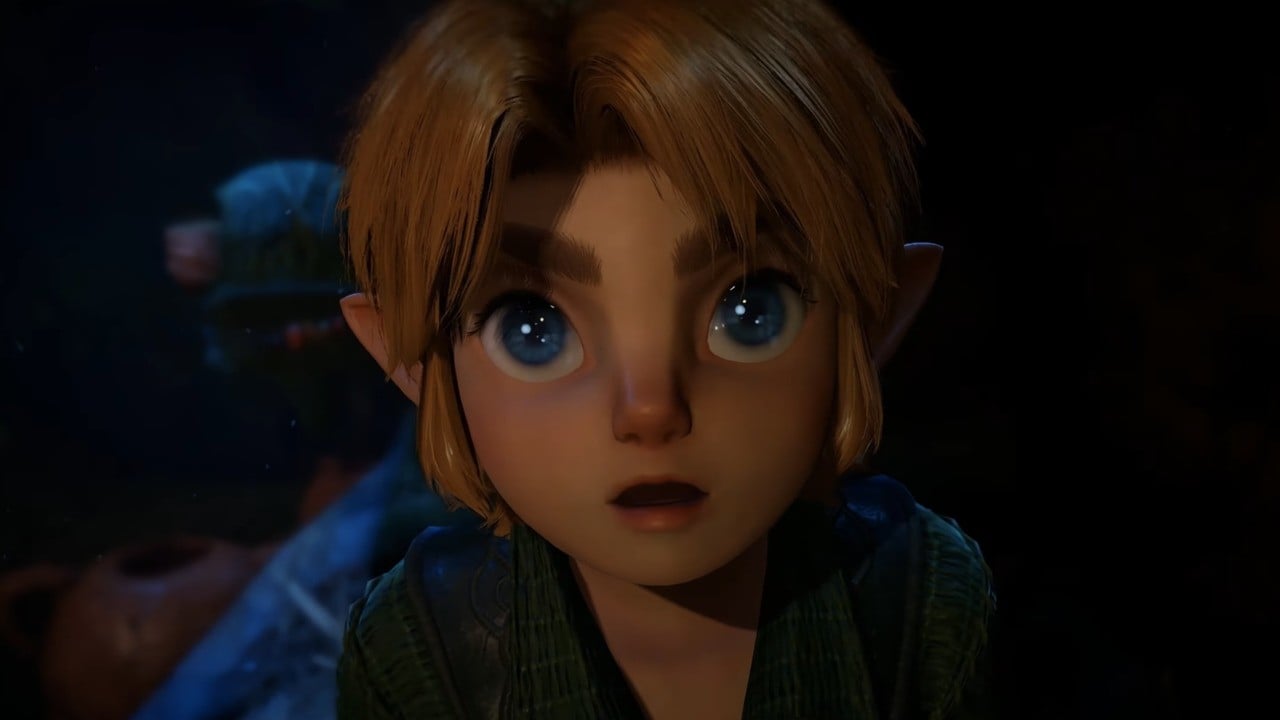
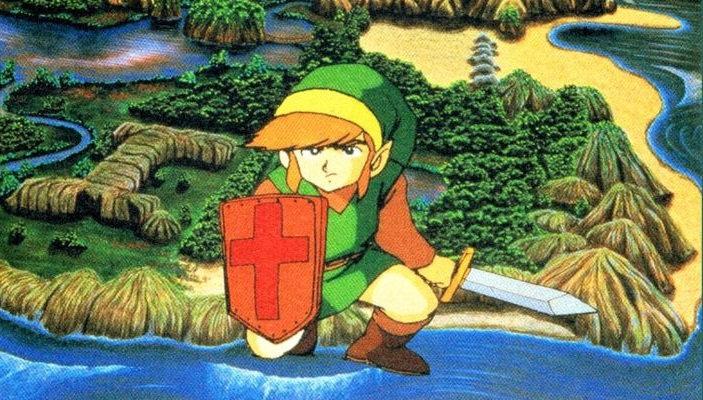


Nintendo’s remake of The Legend of Zelda: Ocarina of Time arrives as a Nintendo Switch 2 exclusive, launching on Thursday, November 5.
This version is the subject of volume 24 of Nintendo’s Ask the Developer interview series; the conversation was translated from the original Japanese and conducted before the game’s release.
Developers on the project discussed how they balanced fidelity to the 1998 original with modern expectations shaped by recent entries such as The Legend of Zelda: Breath of the Wild.
Rebuilding from the ground up
Developers said the remake was not a simple port.
Taguchi explained the team rebuilt the game from scratch after deciding that 28 years of technical and design evolution made a fresh implementation the best path.
They implemented features, compared them repeatedly with the original, and refined them to preserve the original game’s fundamentals while accommodating modern control and presentation standards.
The team emphasized preserving the original’s responsiveness and feel as a guiding principle during reconstruction.
Modernizing controls and camera
One major change is the removal of the original game’s auto-jump.
Ng noted that the team moved to an explicit jump button so players can jump anywhere, addressing modern players’ expectations and eliminating situational control behaviors that can feel inconsistent today.
Aonuma acknowledged that removing auto-jump increased the scope of environment adjustments because making jumping universally available required anticipating many more player actions.
The remake also adopts a Jump Attack flow similar to Breath of the Wild — jump first, then attack — but the developers implemented both the two-step and the original single-button scheme to accommodate veterans of the N64 original and players familiar with later entries.
The team likewise preserved the option to spam the Roll Attack across Hyrule Field while adding a hold-to-dash input so both legacy and modern control preferences are supported.
Camera freedom prompted further design work.
Fujibayashi and Taguchi said adding dual-stick camera control allowed players to notice details from new angles, so the team increased environmental density and adjusted layouts to avoid disorientation.
They implemented clearer directional cues in dungeon spaces to help players retain their bearings when the camera is freely rotatable.
Dungeons, bosses, and the Water Temple
Dungeon mechanisms were largely preserved, but designers made targeted playability improvements.
Aonuma discussed revisions to the Water Temple — originally famous for its complexity — noting the team simplified item toggling and opened sightlines by replacing some solid walls with lattice-style structures so players can better perceive room relationships.
For boss encounters the team debated how much to change; Taguchi described adjustments to Gohma that make its attack window clearer by using its head arms to guard its weak point when immune, preserving the encounter’s essence while improving readability.
New features: Threads of Time
The remake introduces Threads of Time, a new in-game tapestry that unlocks illustrations and passages as the story progresses.
Ng said the feature is designed to give multi-generational players a shared way to revisit the narrative — a framed, picture-book style recap that can spark conversation between players who experienced the original and those discovering it now.
Taken together, the team framed their work as a careful modernization: rebuild core systems, retain the original’s spirit, and selectively refine controls, dungeon clarity, and presentation so The Legend of Zelda: Ocarina of Time feels both familiar and newly accessible on Nintendo Switch 2.