


The Legend of Zelda: Ocarina of Time — How the 1998 Classic Continues to Shape Nintendo Remakes
The Legend of Zelda: Ocarina of Time first arrived on the Nintendo 64 in 1998 and has since become one of the most influential action-adventure games in modern gaming.
Developed by Nintendo for the Nintendo 64, Ocarina of Time established many conventions that define the Zelda series: a sweeping open world, dungeon-based progression, and a narrative that centers on the young hero Link and his quest to stop Ganondorf.
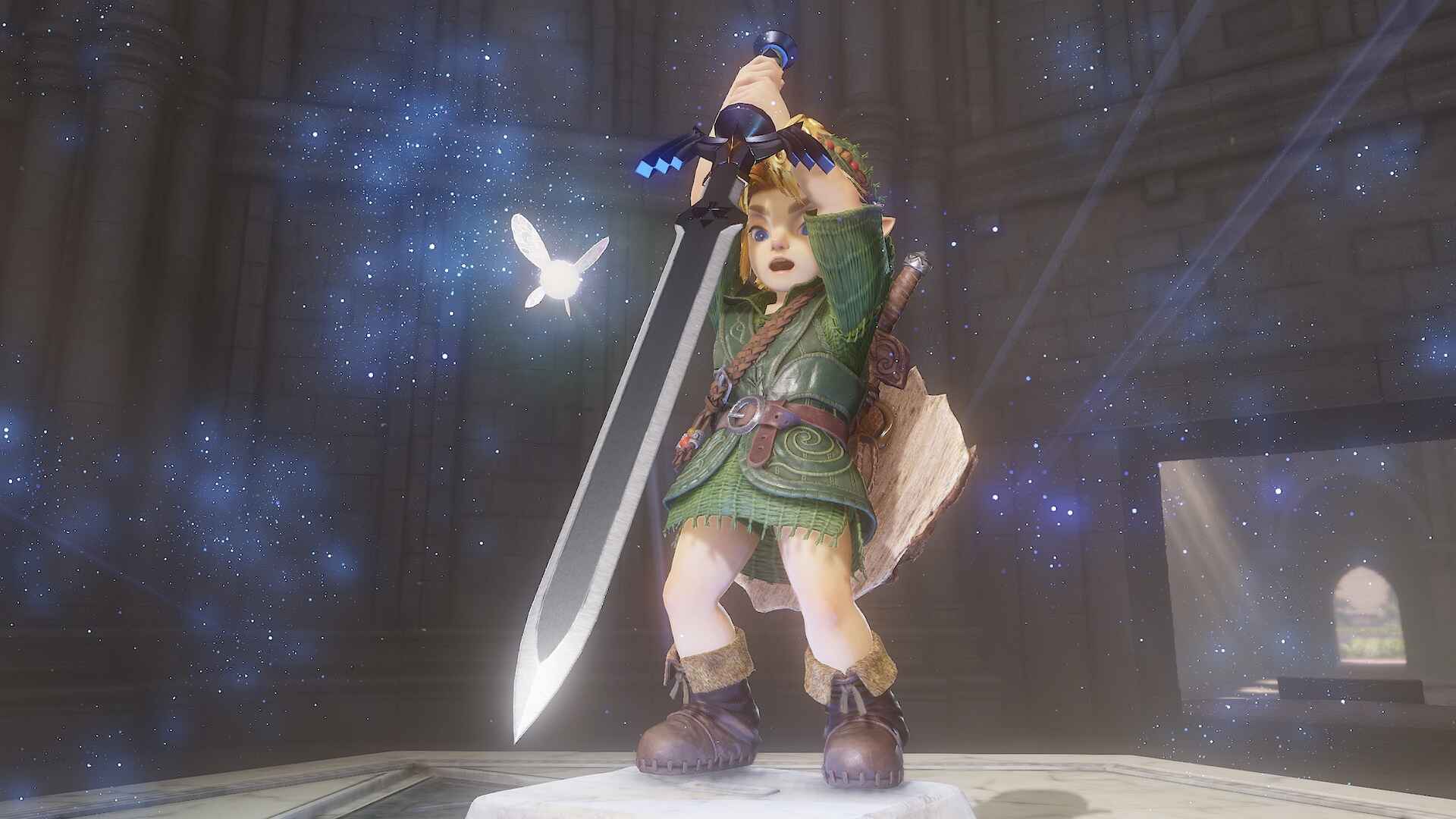
In 2011, developer Grezzo produced an official remaster for the Nintendo 3DS, The Legend of Zelda: Ocarina of Time 3D, updating visuals and control schemes while largely preserving the original design and structure.
Grezzo’s approach to the 2011 remaster is often summarized by industry observers as a philosophy of preservation: where the original design worked, changes were minimal.
Journalistically put, Grezzo prioritized fidelity to the source material while making targeted updates to bring the game in line with handheld hardware capabilities.
The studio later returned to Zelda projects with The Legend of Zelda: Majora’s Mask 3D and handled the Switch remake of Link’s Awakening, establishing a track record for careful remasters and reinterpretations.
Ocarina of Time’s story remains archetypal: Link, a Kokiri child who lacks a fairy companion, is visited by a fairy who sets him on a quest through Hyrule to thwart Ganondorf and protect the Triforce.
The narrative’s structure — a transition from innocence to heroism across diverse locales and dungeons — is one reason the title endures in critical and cultural memory.
When critics and fans discuss modern updates to classic Zelda titles, they frequently highlight specific quality-of-life changes that contemporary players expect, such as more direct camera control, a dedicated jump input, and more fluid movement options like dashing.
These kinds of mechanical adjustments are commonly suggested in post-release commentary as sensible modernizations that preserve the original pacing while reducing interface frustration.
Visually, the 2011 3DS remaster replaced the Nintendo 64’s low-poly models and blur effects with cleaner textures and tighter models appropriate to 3DS hardware.
Remasters and remakes announced through official Nintendo channels—such as Nintendo Direct—and released on platforms like the Nintendo eShop have become a regular way for Nintendo to introduce updated versions of legacy titles to new audiences.
Ocarina of Time’s tight dungeon design, memorable locales, and simple but cinematic combat continue to serve as a template for developers approaching Zelda remakes and remasters.
The game’s legacy—rooted in its 1998 release and reinforced by Grezzo’s 2011 update—remains a primary reference point whenever Nintendo and third-party studios revisit older entries in the series.