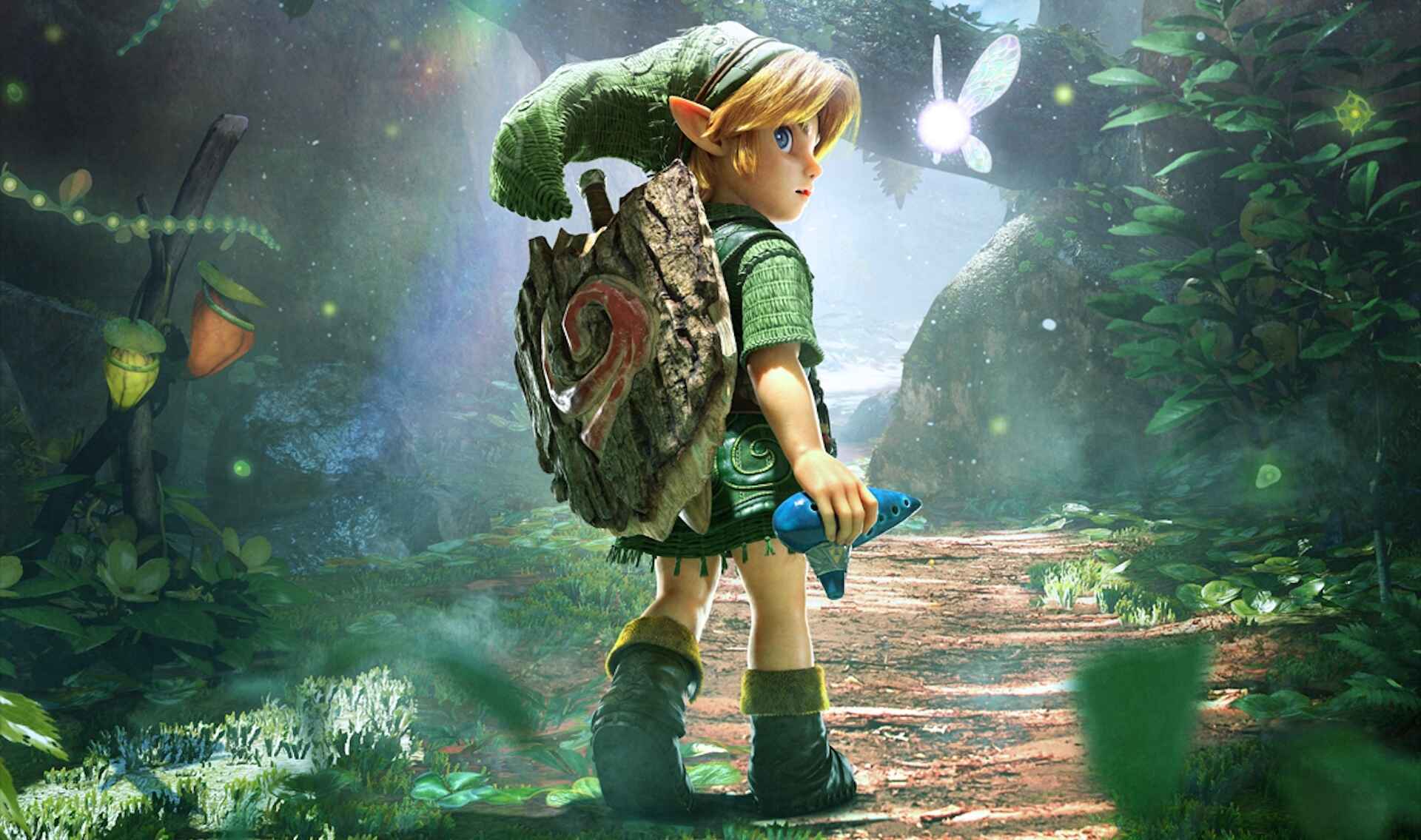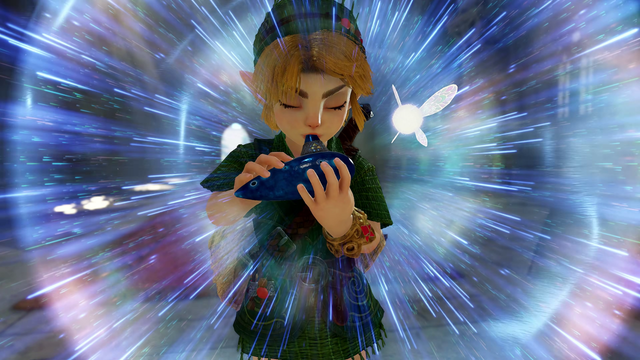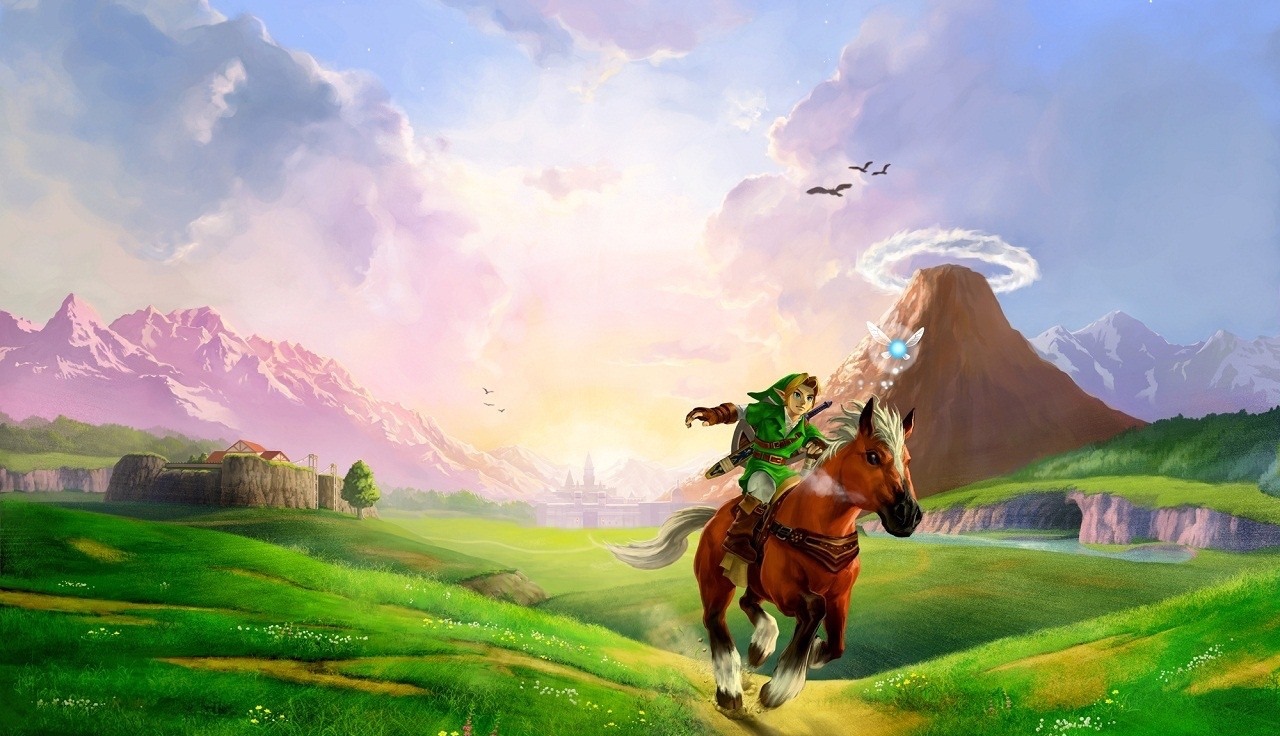


Digital Foundry's technical review of Nintendo's remake of The Legend of Zelda: Ocarina of Time highlights a major jump in performance and presentation for the storied franchise on Nintendo's latest hardware.
The original Ocarina of Time debuted on Nintendo 64 in 1998 and was later remade for Nintendo 3DS by Grezzo and Nintendo in 2011; this new remake continues Nintendo's long-running commitment to refining its legacy titles for modern platforms.
According to Digital Foundry's John Linneman, the remake aims for and delivers a consistent 60 frames per second target, a substantial improvement over the original game's roughly 20fps presentation on N64 and the 3DS remake's 30fps cap.
Linneman praises the remake's overall stability and presentation, noting only a few minor issues during playback: he reports occasional, very small loading hiccups but otherwise stable performance throughout.
On resolution and rendering, Linneman writes that the game scales between approximately 1080p and 1440p when docked, and between roughly 720p and 1080p in handheld-like mode.
He also observes that handheld play incorporates more aggressive level-of-detail reductions and some texture downgrades to maintain performance, but that the overall image remains crisp and well-presented.
Linneman further notes that Nintendo appears to have implemented AMD's FidelityFX Super Resolution (FSR) techniques for upscaling rather than NVIDIA's DLSS.
He points out that while the chosen upscaling approach generally looks strong, there are instances of shimmering on certain surfaces and effects, an artifact he highlights in his assessment.
On artistic touches, the review singles out enhanced environmental effects such as fog and improved lighting interactions—examples Linneman calls out include the volumetric fog in outdoor areas and the dynamic glow from lava in the Fire Temple—elements that contribute to what he describes as one of Nintendo's most accomplished remakes in terms of raw presentation.
Digital Foundry's analysis provides a focused technical lens on how Nintendo has modernized a landmark title.
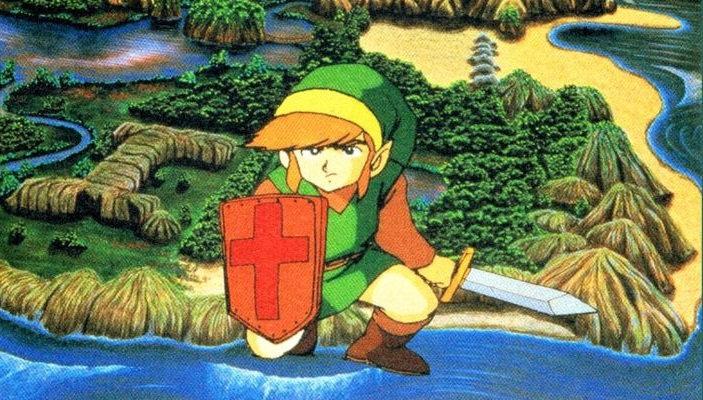
For context, fans and observers can trace the title's history from Nintendo 64 (1998) through the 3DS remake (2011), and now into this latest re-release, which underscores Nintendo's continuing emphasis on performance and fidelity when revisiting classic IP for current platforms.