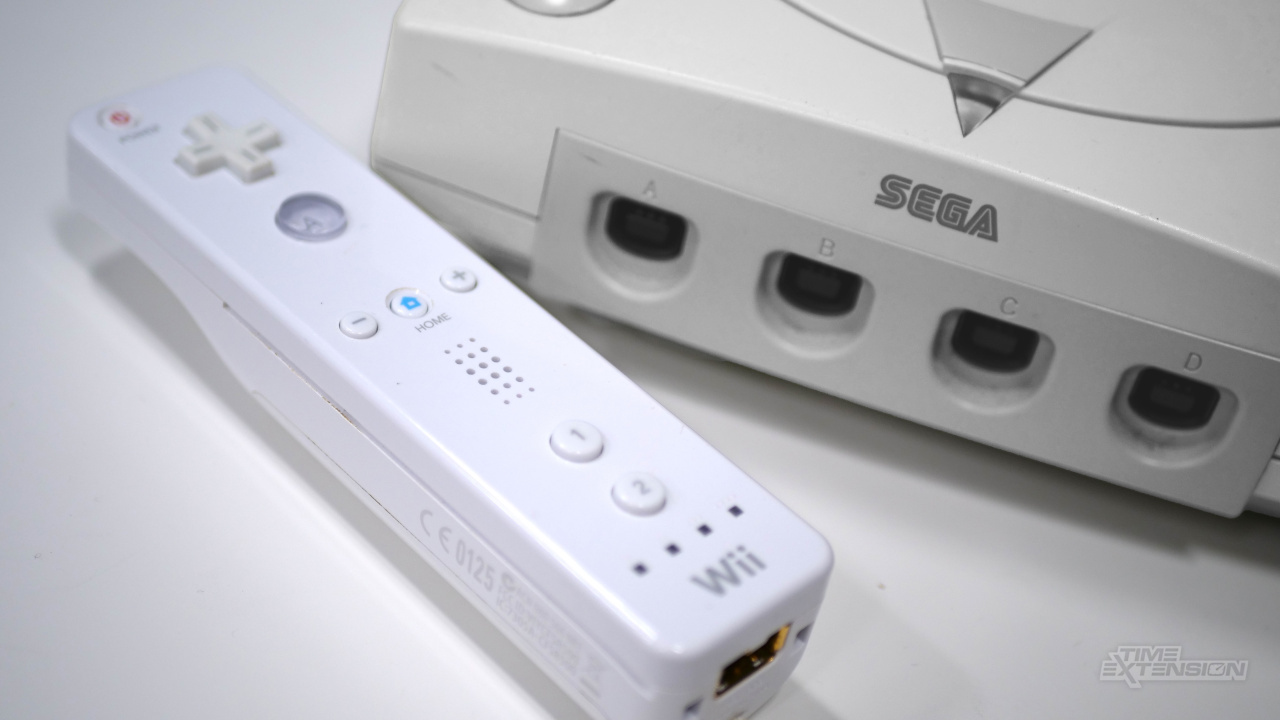
Former Sega peripheral development manager Kenji Tosaki has described a Dreamcast-era concept for a motion-capable controller that, he says, anticipated Nintendo’s Wii Remote by roughly a decade. In an interview published on Time Extension by Damien McFerran on August 27, 2024, Tosaki outlined plans for a light-gun-style controller designed to work with LCD televisions through image recognition, combined with gyroscopic sensors and vibration feedback.
Context and hardware timeline
Sega released the Dreamcast in Japan on November 27, 1998, and in North America on September 9, 1999; the console was discontinued on March 31, 2001, when Sega exited the console business. The Nintendo Wii, which popularized motion controls and pointing via the Wii Remote, launched in November 2006. Tosaki’s description places Sega’s experimental thinking on motion and pointing peripherals well before Nintendo’s commercial success with the technology.
Rewritten notable statements
Tosaki summarized the Dreamcast peripheral concept by saying Sega envisioned an updated controller that combined an image-recognition light gun for LCD TVs, an internal gyroscope for tilt and shake input, and onboard vibration—essentially offering pointing and motion features similar to the Wii Remote years earlier. He added that the team intended to shift emphasis from raw graphics to novel play styles enabled by peripherals, but recognized that available technology may not have been ready for mass deployment.
Saturn-era VR research and Sega peripheral history
Tosaki also confirmed he spent several years exploring virtual reality during the Sega Saturn era. He noted that limitations in VR technology at the time made widespread release impractical. Sega has a documented history of canceled headset projects: Sega of America developed an early Genesis-era headset prototype, commonly referred to as Sega VR, which never reached retail.
Why it matters now
Tosaki’s account underscores how hardware experimentation at Sega touched on concepts later normalized by other platforms. Motion and pointing inputs are now mainstream—seen across platforms from Nintendo Switch releases on the eShop to motion-enabled titles promoted during Nintendo Direct presentations—highlighting a throughline from 1990s R&D to modern game design and controller innovation.
Dreamcast Motion Controller: Former Sega Manager Says Prototype Was '10 Years Ahead' of Wii
Nintendo News Hub
Source: TimeExtension