Sega Dreamcast keychains flagged over possible GenAI artwork
Sega, the publisher and developer behind the Dreamcast era and franchises such as Sonic and Crazy Taxi, has again found itself at the center of controversy over the use of generative AI in promotional materials.
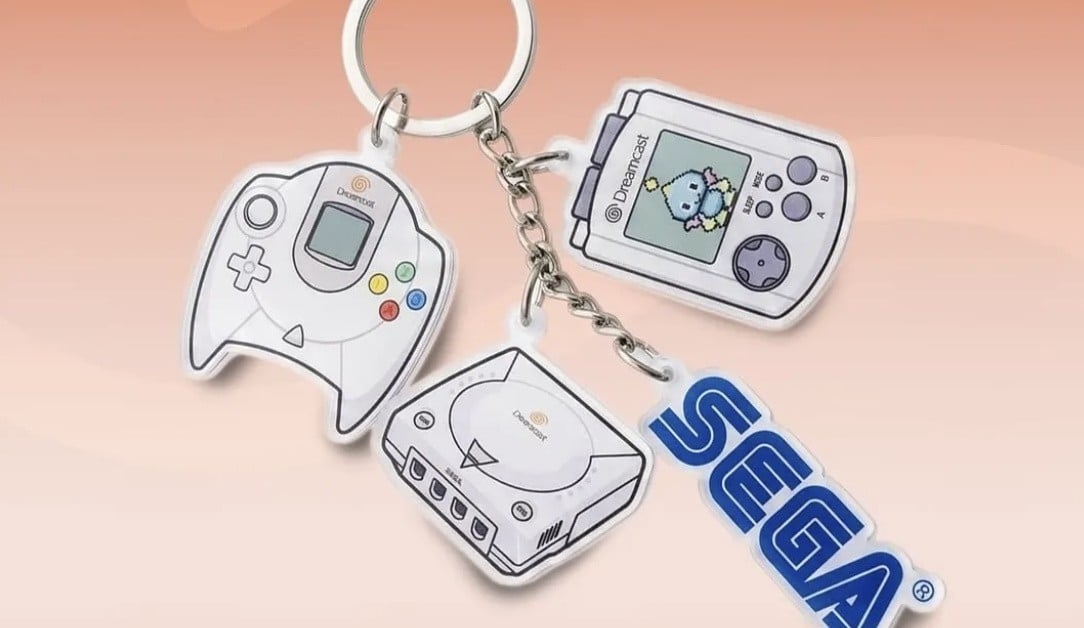
Observers recently pointed to product imagery for a set of Dreamcast keychains on the Sega Store that contains illegible, garbled text — a common visual artifact associated with AI-generated images.
The imagery was highlighted on the social platform BlueSky by GamesRadar reporter Phil Hayton, who noted the distorted characters on the keychain art.
In journalistic terms: observers reported that the keychain artwork contains unreadable lettering, which many in the digital-art community identify as a telltale sign of AI-assisted image generation.
This incident follows earlier criticism aimed at Sega concerning alleged use of generative AI in marketing assets tied to Crazy Taxi: World Tour.
Reports at the time documented consumer pushback and prompted Sega to respond to concerns about its promotional approach.
The new screenshots of Dreamcast merchandise have renewed scrutiny of how major publishers handle AI tools in marketing and merchandise creation.
Context: why Dreamcast merch matters
The Dreamcast remains one of Sega’s most iconic consoles.
Launched by Sega in Japan in 1998 and in North America and Europe in 1999, the Dreamcast cultivated a dedicated fanbase and remains a frequent subject of licensed collectibles and retro merchandise sold through official and third-party stores.
Sega’s official retail channels, including the Sega Store, regularly list apparel, figures, and memorabilia tied to the company’s legacy hardware and franchises.
What experts and observers are saying
Industry watchers and image-authentication commentators say that illegible text in promotional images often indicates automated image-generation workflows or AI-assisted editing.
It is also possible for an artist to use AI tools in part of a production pipeline and then perform manual clean-up, a practice that can mask the tool’s involvement if not fully corrected.
As one observer summarized the situation in plain terms: the scrambled lettering on the keychain art resembles artifacts commonly produced by generative-image models when rendering small-scale typography.
Sega has not issued a detailed public statement about the Dreamcast keychain imagery as of the latest reports.
The development underscores ongoing questions around transparency and quality control when publishers use new image-generation technologies for official merchandise.
Collectors and consumers tracking Sega Store listings should expect companies to clarify production methods when artwork anomalies appear.
Sega, the publisher and developer behind the Dreamcast era and franchises such as Sonic and Crazy Taxi, has again found itself at the center of controversy over the use of generative AI in promotional materials.
Observers recently pointed to product imagery for a set of Dreamcast keychains on the Sega Store that contains illegible, garbled text — a common visual artifact associated with AI-generated images.
The imagery was highlighted on the social platform BlueSky by GamesRadar reporter Phil Hayton, who noted the distorted characters on the keychain art.
In journalistic terms: observers reported that the keychain artwork contains unreadable lettering, which many in the digital-art community identify as a telltale sign of AI-assisted image generation.
This incident follows earlier criticism aimed at Sega concerning alleged use of generative AI in marketing assets tied to Crazy Taxi: World Tour.
Reports at the time documented consumer pushback and prompted Sega to respond to concerns about its promotional approach.
The new screenshots of Dreamcast merchandise have renewed scrutiny of how major publishers handle AI tools in marketing and merchandise creation.
Context: why Dreamcast merch matters
The Dreamcast remains one of Sega’s most iconic consoles.
Launched by Sega in Japan in 1998 and in North America and Europe in 1999, the Dreamcast cultivated a dedicated fanbase and remains a frequent subject of licensed collectibles and retro merchandise sold through official and third-party stores.
Sega’s official retail channels, including the Sega Store, regularly list apparel, figures, and memorabilia tied to the company’s legacy hardware and franchises.
What experts and observers are saying
Industry watchers and image-authentication commentators say that illegible text in promotional images often indicates automated image-generation workflows or AI-assisted editing.
It is also possible for an artist to use AI tools in part of a production pipeline and then perform manual clean-up, a practice that can mask the tool’s involvement if not fully corrected.
As one observer summarized the situation in plain terms: the scrambled lettering on the keychain art resembles artifacts commonly produced by generative-image models when rendering small-scale typography.
Sega has not issued a detailed public statement about the Dreamcast keychain imagery as of the latest reports.
The development underscores ongoing questions around transparency and quality control when publishers use new image-generation technologies for official merchandise.
Collectors and consumers tracking Sega Store listings should expect companies to clarify production methods when artwork anomalies appear.