Sega's Crazy Taxi merchandise listing has reignited debate over the use of generative AI in gaming-related assets after a promotional image for an official air freshener showed obvious AI-like artifacts.
The Crazy Taxi franchise — a long-running Sega property that debuted on the Dreamcast in 1999 — recently returned to headlines as Sega works on a reboot of the series.
Earlier coverage noted Sega acknowledged use of generative AI in some early assets for the upcoming Crazy Taxi reboot, and the company said any AI-generated material visible during development were placeholders and that final game content would be original.
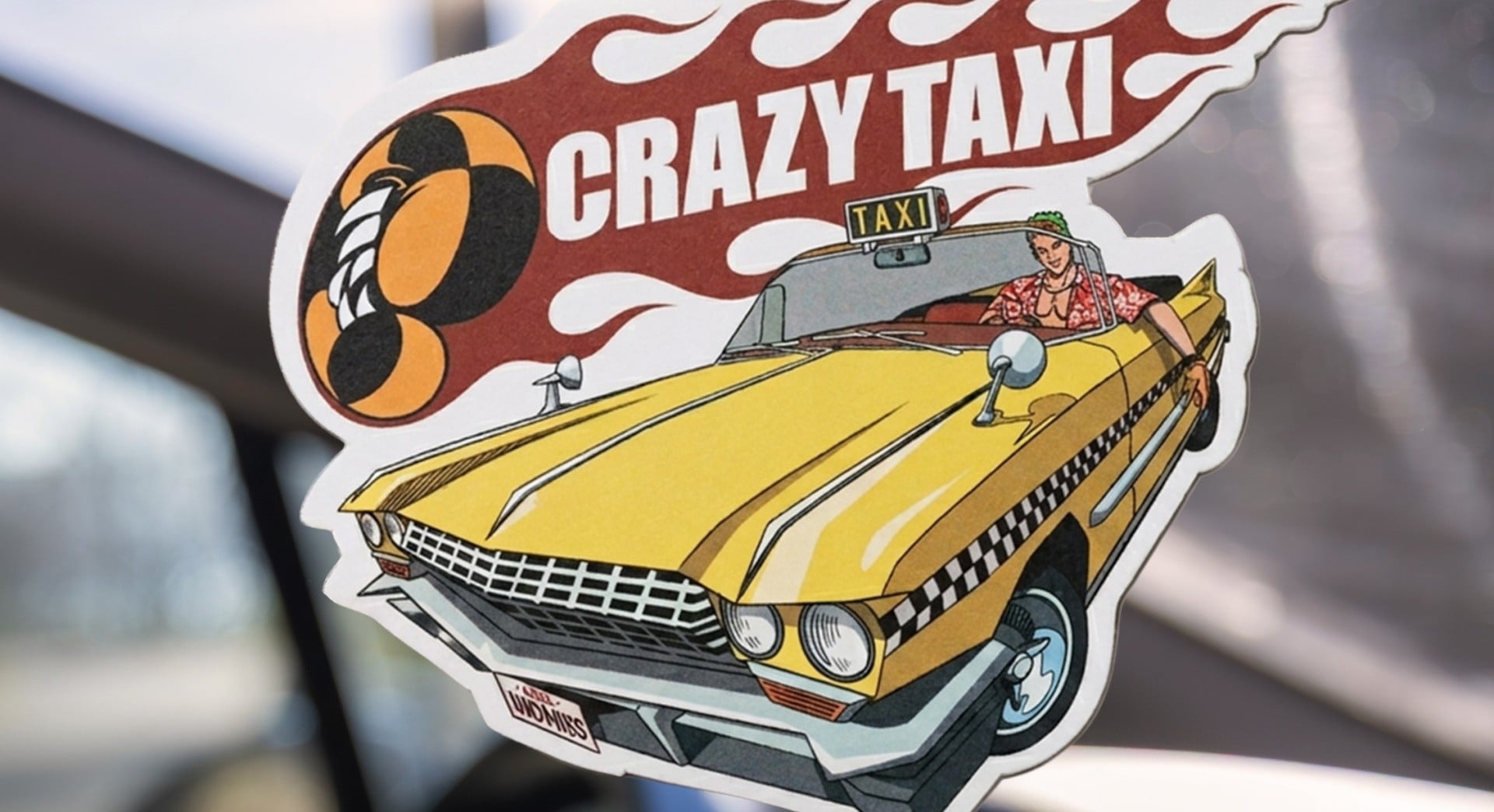
The latest incident centers on an official Sega Shop listing for a Crazy Taxi air freshener.
Social-media user danny8bit highlighted the product image, noting that character artwork — particularly Axel’s face and hand — appeared distorted and that the license plate in the image was unreadable, common signs of AI-generated imagery producing incorrect details.
Independent reporting from SegaBits offered additional context.
According to SegaBits, the physical product art itself is human-made, but the promotional social-media image used on the Sega Shop appears to be a mock-up produced with AI.
Rephrasing SegaBits’ explanation in journalistic terms: SegaBits says the actual air freshener is created from verified, human-produced artwork, but the web image used to advertise the item was a re-rendered mock-up generated with AI and the team did not replace that mock-up with a photograph of the finished product before posting.
Those facts are consistent with the visual issues observers first flagged: AI mock-ups can introduce unnatural facial geometry and corrupted text on items such as license plates.
Sega has not issued a public statement specifically addressing the air freshener listing; SegaBits’ account provides the primary explanation circulating in the community.
This episode follows broader scrutiny of generative AI in game development and marketing, and comes as companies navigate how to communicate AI use to players.
For fans tracking the Crazy Taxi reboot and other titles, official channels such as Sega’s storefronts, Nintendo Directs, and eShop listings remain key places to verify final product details and release information.
At present, the verified takeaway is narrow and factual: the Sega Shop listed a Crazy Taxi air freshener whose promotional image showed AI-like artifacts; SegaBits reports the product art is human-made but the promotional mock-up was generated with AI and was not replaced with a photo of the real item prior to publication.
The Crazy Taxi franchise — a long-running Sega property that debuted on the Dreamcast in 1999 — recently returned to headlines as Sega works on a reboot of the series.
Earlier coverage noted Sega acknowledged use of generative AI in some early assets for the upcoming Crazy Taxi reboot, and the company said any AI-generated material visible during development were placeholders and that final game content would be original.
The latest incident centers on an official Sega Shop listing for a Crazy Taxi air freshener.
Social-media user danny8bit highlighted the product image, noting that character artwork — particularly Axel’s face and hand — appeared distorted and that the license plate in the image was unreadable, common signs of AI-generated imagery producing incorrect details.
Independent reporting from SegaBits offered additional context.
According to SegaBits, the physical product art itself is human-made, but the promotional social-media image used on the Sega Shop appears to be a mock-up produced with AI.
Rephrasing SegaBits’ explanation in journalistic terms: SegaBits says the actual air freshener is created from verified, human-produced artwork, but the web image used to advertise the item was a re-rendered mock-up generated with AI and the team did not replace that mock-up with a photograph of the finished product before posting.
Those facts are consistent with the visual issues observers first flagged: AI mock-ups can introduce unnatural facial geometry and corrupted text on items such as license plates.
Sega has not issued a public statement specifically addressing the air freshener listing; SegaBits’ account provides the primary explanation circulating in the community.
This episode follows broader scrutiny of generative AI in game development and marketing, and comes as companies navigate how to communicate AI use to players.
For fans tracking the Crazy Taxi reboot and other titles, official channels such as Sega’s storefronts, Nintendo Directs, and eShop listings remain key places to verify final product details and release information.
At present, the verified takeaway is narrow and factual: the Sega Shop listed a Crazy Taxi air freshener whose promotional image showed AI-like artifacts; SegaBits reports the product art is human-made but the promotional mock-up was generated with AI and was not replaced with a photo of the real item prior to publication.