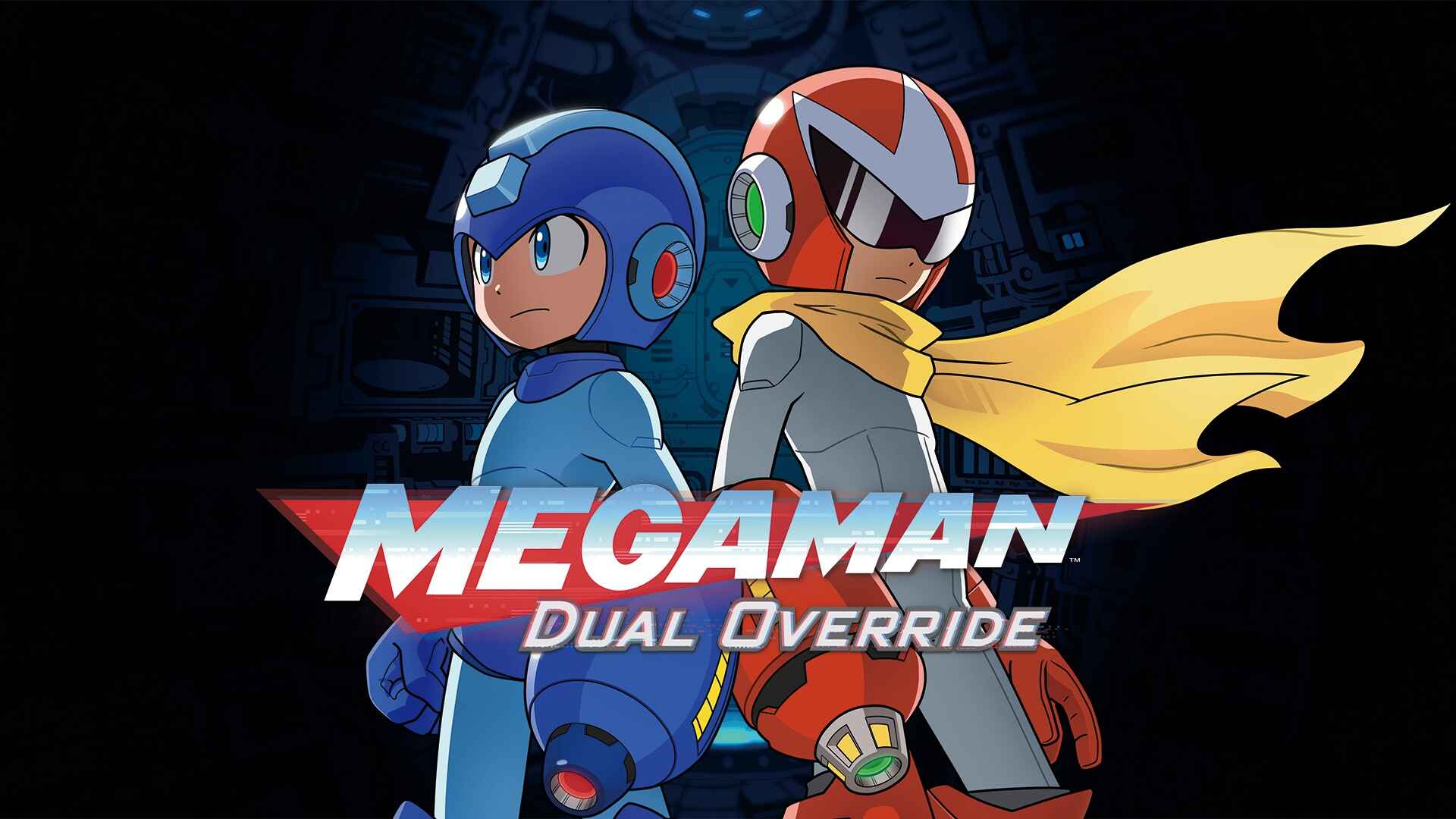


Capcom’s Mega Man franchise returns to classic-style action with Mega Man: Dual Override, a new entry that was publicly revealed during The Game Awards and has since been demonstrated at major shows such as Gamescom.
As a long-running series that began on the NES in 1987, Mega Man’s core platforming and buster-based combat remain central, while Dual Override introduces fresh systems intended to modernize the formula without losing the franchise’s trademark precision.
From a hands-on Gamescom demo, the most immediate impression was how closely the game’s movement and physics echo the tight feel of the classic Mega Man titles.
The demo retained familiar actions — charging the buster, sliding and precise jumps — while accommodating more detailed character art and dynamic backgrounds.
Key mechanics observed in the demo:
- Override: A new risk/reward system that temporarily overclocks Mega Man’s systems to deliver significantly more powerful buster shots and weapon attacks.
After the Override period ends, the character enters a burnout state that restricts weapon use and reduces the buster’s effectiveness for a time, creating a tactical trade-off when confronting large enemies or bosses.
- Custom Chip system: Before entering a stage, players choose a chip that grants a preconfigured perk.
Demo examples included an offense-focused chip with enhanced charged shots, a defensive chip that provided a temporary shield and an E-Tank, and a support chip that summoned Rush for platforming assistance.
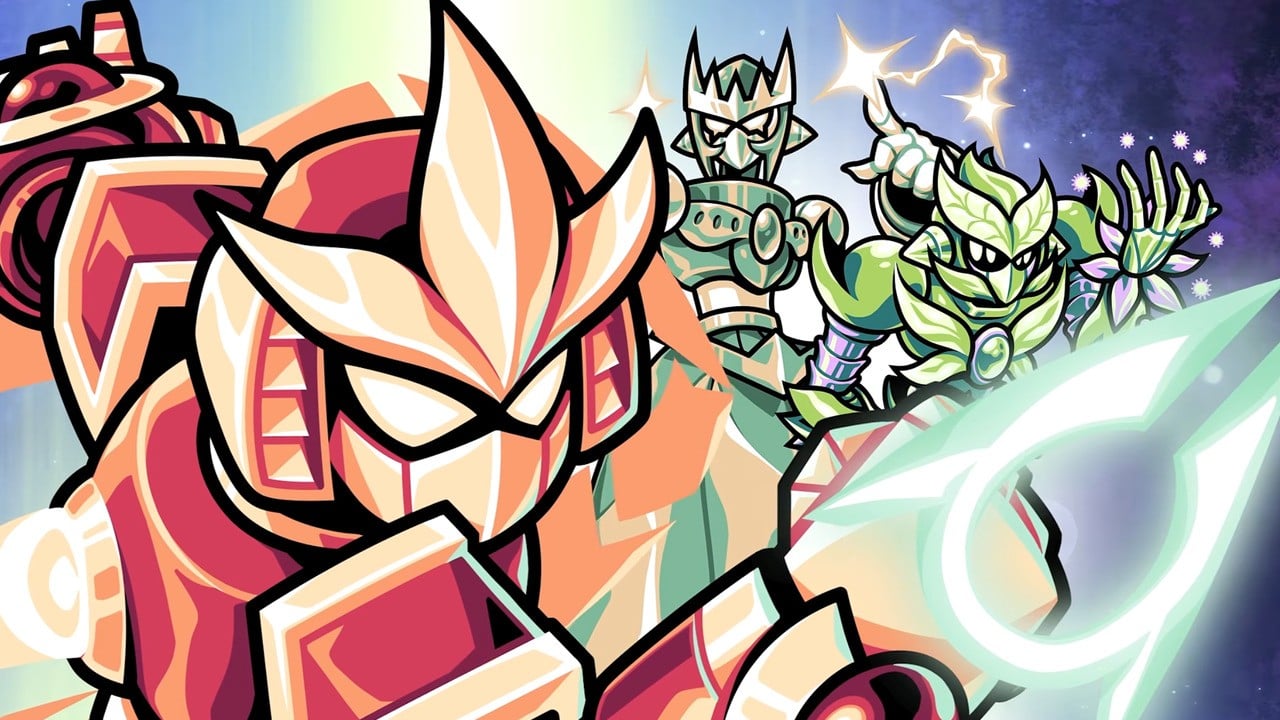
The demo featured three thematically linked stages built around a new Robot Master, Twinkle Girl, whose levels range from chaotic city concert environments to behind-the-scenes production areas and a fireworks-strewn approach to the main stage.
Each stage concluded with a boss encounter: one fight involved Big Press Don, who must be damaged by targeting his head, and another staged a remixed encounter with Astro Man (presented as Astro Man R).
The playable boss weapon in the demo granted a spear-like flying attack that proved highly effective in the Twinkle Girl confrontation.
Visually, the game layers more complex character designs over classic 2D platforming, and the demo’s music and sound design received positive notice; the development team confirmed details about the score during a post-demo interview.
Capcom has not announced a final release date or full platform list for Dual Override at the time of this preview.
The demo suggests the project aims to balance nostalgic core mechanics with new systems such as Override and Custom Chips, and fans can expect further updates from Capcom at upcoming events, including the Tokyo Game Show.
As a long-running series that began on the NES in 1987, Mega Man’s core platforming and buster-based combat remain central, while Dual Override introduces fresh systems intended to modernize the formula without losing the franchise’s trademark precision.
From a hands-on Gamescom demo, the most immediate impression was how closely the game’s movement and physics echo the tight feel of the classic Mega Man titles.
The demo retained familiar actions — charging the buster, sliding and precise jumps — while accommodating more detailed character art and dynamic backgrounds.
Key mechanics observed in the demo:
- Override: A new risk/reward system that temporarily overclocks Mega Man’s systems to deliver significantly more powerful buster shots and weapon attacks.
After the Override period ends, the character enters a burnout state that restricts weapon use and reduces the buster’s effectiveness for a time, creating a tactical trade-off when confronting large enemies or bosses.
- Custom Chip system: Before entering a stage, players choose a chip that grants a preconfigured perk.
Demo examples included an offense-focused chip with enhanced charged shots, a defensive chip that provided a temporary shield and an E-Tank, and a support chip that summoned Rush for platforming assistance.
The demo featured three thematically linked stages built around a new Robot Master, Twinkle Girl, whose levels range from chaotic city concert environments to behind-the-scenes production areas and a fireworks-strewn approach to the main stage.
Each stage concluded with a boss encounter: one fight involved Big Press Don, who must be damaged by targeting his head, and another staged a remixed encounter with Astro Man (presented as Astro Man R).
The playable boss weapon in the demo granted a spear-like flying attack that proved highly effective in the Twinkle Girl confrontation.
Visually, the game layers more complex character designs over classic 2D platforming, and the demo’s music and sound design received positive notice; the development team confirmed details about the score during a post-demo interview.
Capcom has not announced a final release date or full platform list for Dual Override at the time of this preview.
The demo suggests the project aims to balance nostalgic core mechanics with new systems such as Override and Custom Chips, and fans can expect further updates from Capcom at upcoming events, including the Tokyo Game Show.