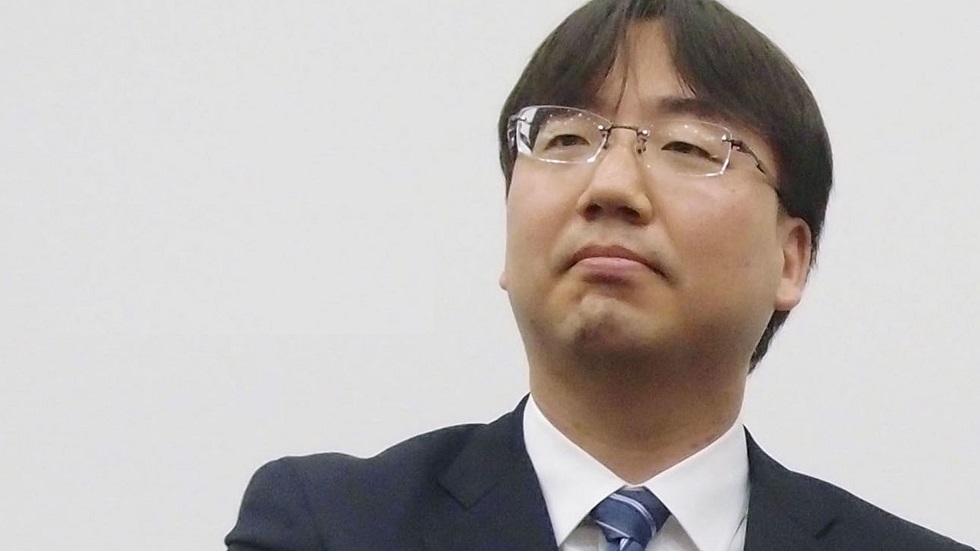

Nintendo president Shuntaro Furukawa recently addressed questions about generative AI during a shareholders question-and-answer session, reiterating the company's cautious and law-abiding approach to emerging AI technologies.
The remarks—provided via machine translation—placed generative AI in the context of regulatory developments, technical challenges and intellectual property considerations, and referenced Nintendo’s historical use of AI-like systems in game development.
Paraphrased response from Shuntaro Furukawa
Furukawa stated that regulations for AI are evolving across multiple jurisdictions and that Nintendo will comply with applicable laws in each region.
He noted that Nintendo has long used AI-like tools internally—for example, programs that control enemy behavior and other in-game systems—but emphasized that the recent surge in interest around generative AI presents distinct challenges.
Among those challenges he cited were environmental concerns, specifically increased power consumption, and the risk of intellectual property infringement.
Furukawa said Nintendo will carefully evaluate generative AI technologies and take steps to prevent any infringement of IP rights.
Context and implications
- Regulatory compliance: Furukawa underscored that Nintendo follows local laws where it operates, aligning the company with a globally shifting regulatory landscape for AI technologies.
- Technical considerations: He singled out power consumption as a concrete technical issue associated with large-scale generative AI models.
- Intellectual property: Furukawa emphasized IP protection as a priority, saying Nintendo will act to ensure technologies do not violate creators' rights.
- Historical usage: Nintendo has publicly acknowledged use of AI-like systems in game development for decades, typically centered on game logic and NPC behavior rather than generative content creation.
What this means for Nintendo platforms
While Furukawa’s comments were directed at generative AI broadly, they are directly relevant to Nintendo’s development ecosystem and platforms, including Nintendo Switch and digital distribution through the Nintendo eShop.
The company’s commitment to legal compliance and IP protection frames how it will assess new tools that developers might adopt for Switch titles or for content featured in Nintendo Direct presentations.
Conclusion
Furukawa’s remarks provide a clear, cautious posture from Nintendo on generative AI: the company will monitor regulations, weigh environmental and technical constraints, and prioritize intellectual property protections as it evaluates new AI technologies for use in game development and related services.
The remarks—provided via machine translation—placed generative AI in the context of regulatory developments, technical challenges and intellectual property considerations, and referenced Nintendo’s historical use of AI-like systems in game development.
Paraphrased response from Shuntaro Furukawa
Furukawa stated that regulations for AI are evolving across multiple jurisdictions and that Nintendo will comply with applicable laws in each region.
He noted that Nintendo has long used AI-like tools internally—for example, programs that control enemy behavior and other in-game systems—but emphasized that the recent surge in interest around generative AI presents distinct challenges.
Among those challenges he cited were environmental concerns, specifically increased power consumption, and the risk of intellectual property infringement.
Furukawa said Nintendo will carefully evaluate generative AI technologies and take steps to prevent any infringement of IP rights.
Context and implications
- Regulatory compliance: Furukawa underscored that Nintendo follows local laws where it operates, aligning the company with a globally shifting regulatory landscape for AI technologies.
- Technical considerations: He singled out power consumption as a concrete technical issue associated with large-scale generative AI models.
- Intellectual property: Furukawa emphasized IP protection as a priority, saying Nintendo will act to ensure technologies do not violate creators' rights.
- Historical usage: Nintendo has publicly acknowledged use of AI-like systems in game development for decades, typically centered on game logic and NPC behavior rather than generative content creation.
What this means for Nintendo platforms
While Furukawa’s comments were directed at generative AI broadly, they are directly relevant to Nintendo’s development ecosystem and platforms, including Nintendo Switch and digital distribution through the Nintendo eShop.
The company’s commitment to legal compliance and IP protection frames how it will assess new tools that developers might adopt for Switch titles or for content featured in Nintendo Direct presentations.
Conclusion
Furukawa’s remarks provide a clear, cautious posture from Nintendo on generative AI: the company will monitor regulations, weigh environmental and technical constraints, and prioritize intellectual property protections as it evaluates new AI technologies for use in game development and related services.