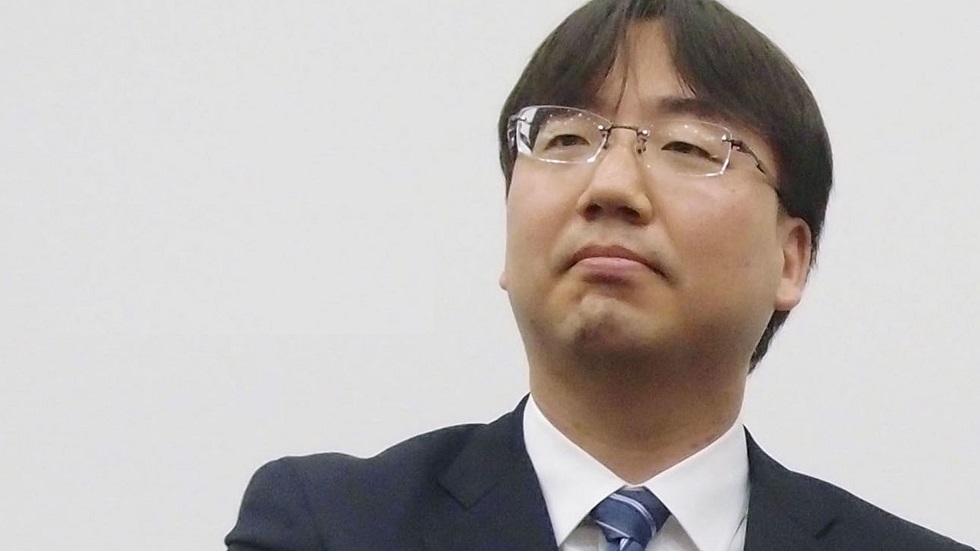
Nintendo President Shuntaro Furukawa has offered an in-depth look at the company’s future in a recent interview with Japanese media outlet Kyoto Shimbun.
Covering topics ranging from the global rollout of Switch 2 hardware to the future of Nintendo’s theatrical projects, Furukawa’s comments provide valuable context for fans and industry insiders eager to understand Nintendo’s next moves.
Switch 2 Availability and Hardware Vision
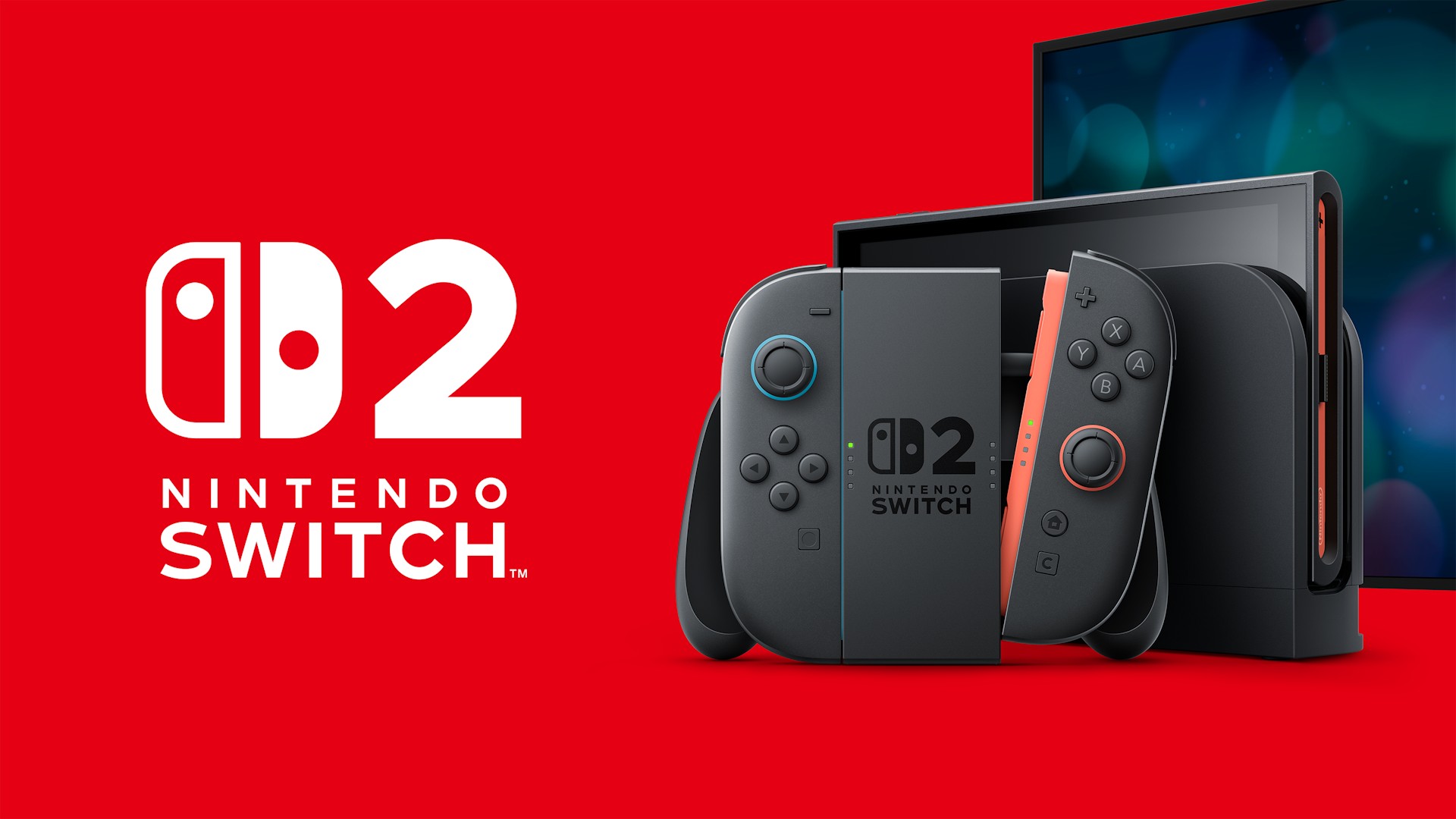
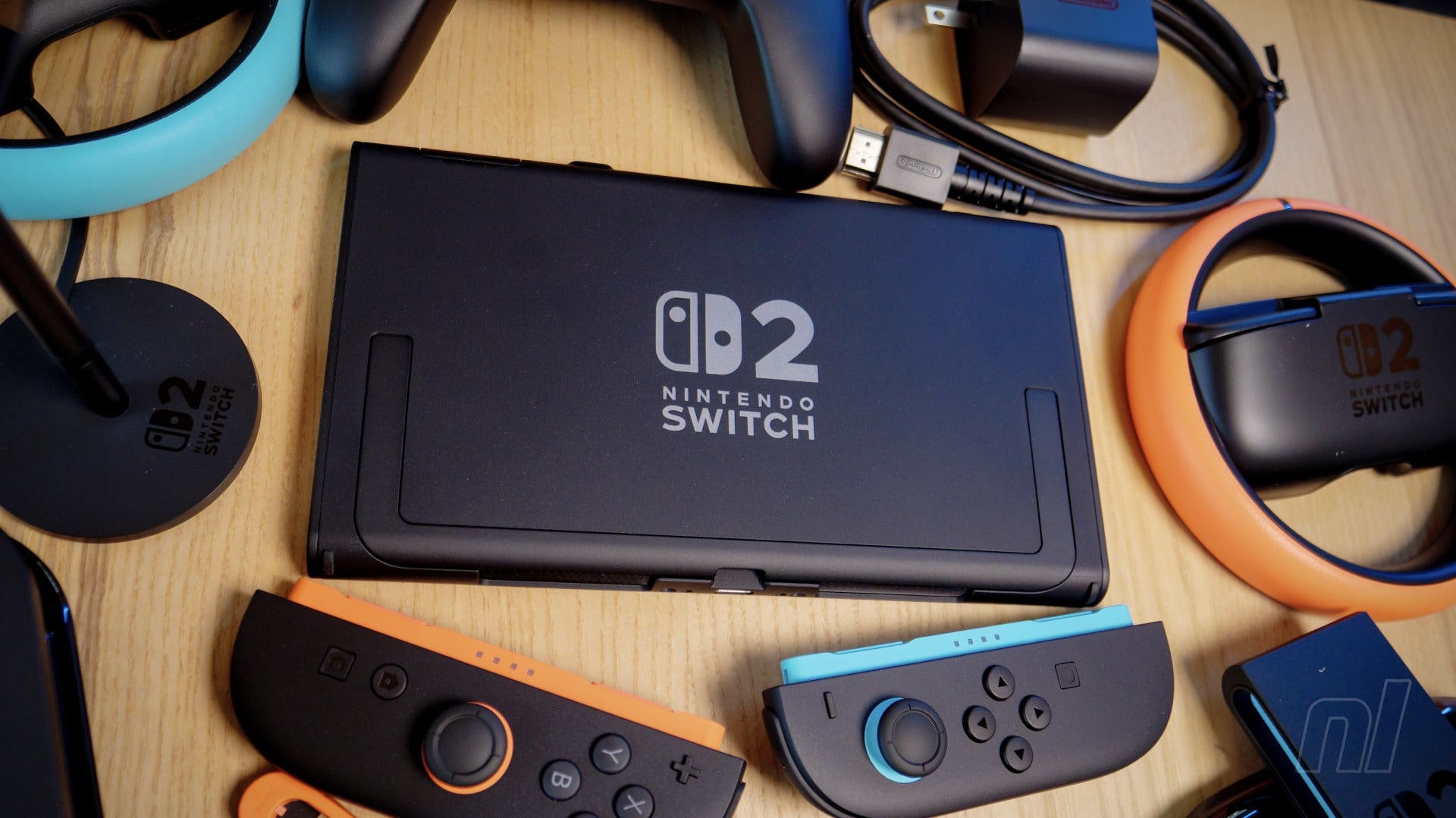
According to Furukawa, Nintendo has largely stabilized the global supply chain for the Switch 2, ensuring that fans around the world can access the latest generation of Nintendo hardware.
He noted that while global availability has improved, demand in Japan continues to outpace supply, and Nintendo is working to address this regional gap.
Furukawa described the Switch 2 as an “accommodating, generous, and forgiving” platform, designed to encourage creativity from both first-party and third-party developers.
“We aim to make Switch 2 a system that brings developers’ ideas to life, whether those teams are internal or external,” Furukawa explained.
He also emphasized Nintendo’s goal to make the Switch 2 accessible for those picking up their first console at any stage of life—reflecting the company’s long-standing commitment to gaming inclusivity.
Long-Term Strategy and Financial Stability
Discussing Nintendo’s sourcing strategy for components, Furukawa stated that procurement is based on the company’s medium- to long-term business plans.
While current fluctuations in memory prices have not immediately affected Nintendo’s financial results, Furukawa emphasized the importance of closely monitoring the market to ensure stability.
When questioned about the possibility of hardware price increases, Furukawa remained non-committal, responding, "I am unable to address hypothetical scenarios.”
Expanding Software and Intellectual Properties
Furukawa also confirmed that Nintendo plans to enhance its software lineup starting in 2026.
“We are developing new entries in popular series that many fans are eagerly awaiting, as well as creating original titles,” he said.
This statement underlines Nintendo’s ongoing investment in both established franchises and new intellectual properties for the Nintendo Switch and its successors.
The Future of Nintendo Films and Global Outreach
On the cinematic front, Furukawa expressed enthusiasm for building anticipation around the upcoming Super Mario movie.
He revealed that more information about the Zelda film will be released gradually as the project develops.
Rather than focusing solely on short-term profit, Nintendo’s strategy for its movie division centers on broadening the global exposure of its iconic characters.
"We want to create a system that allows us to release more movies beyond the current Super Mario and Zelda projects," Furukawa noted.
While the possibility of Nintendo anime streaming was discussed, Furukawa admitted that such a venture would be challenging.
However, he added, “If we are able to create works that only Nintendo can deliver, it’s something we would consider positively in the future.”
Highlighting the strong international appeal of Nintendo’s heritage, the Nintendo Museum welcomed over 500,000 visitors in its first year, with many guests traveling from abroad.
Furukawa indicated that the museum will continue to innovate, with plans to add more features and maintain the current ticket lottery system for admissions.
Underscoring his vision for the company’s future, Furukawa reiterated that maintaining a robust financial base is vital.
"It’s crucial that our employees have the freedom to refine their creations to their own satisfaction without being pressured by short-term results," he concluded—an approach that continues to define Nintendo’s unique place in the gaming industry.
Covering topics ranging from the global rollout of Switch 2 hardware to the future of Nintendo’s theatrical projects, Furukawa’s comments provide valuable context for fans and industry insiders eager to understand Nintendo’s next moves.
Switch 2 Availability and Hardware Vision
According to Furukawa, Nintendo has largely stabilized the global supply chain for the Switch 2, ensuring that fans around the world can access the latest generation of Nintendo hardware.
He noted that while global availability has improved, demand in Japan continues to outpace supply, and Nintendo is working to address this regional gap.
Furukawa described the Switch 2 as an “accommodating, generous, and forgiving” platform, designed to encourage creativity from both first-party and third-party developers.
“We aim to make Switch 2 a system that brings developers’ ideas to life, whether those teams are internal or external,” Furukawa explained.
He also emphasized Nintendo’s goal to make the Switch 2 accessible for those picking up their first console at any stage of life—reflecting the company’s long-standing commitment to gaming inclusivity.
Long-Term Strategy and Financial Stability
Discussing Nintendo’s sourcing strategy for components, Furukawa stated that procurement is based on the company’s medium- to long-term business plans.
While current fluctuations in memory prices have not immediately affected Nintendo’s financial results, Furukawa emphasized the importance of closely monitoring the market to ensure stability.
When questioned about the possibility of hardware price increases, Furukawa remained non-committal, responding, "I am unable to address hypothetical scenarios.”
Expanding Software and Intellectual Properties
Furukawa also confirmed that Nintendo plans to enhance its software lineup starting in 2026.
“We are developing new entries in popular series that many fans are eagerly awaiting, as well as creating original titles,” he said.
This statement underlines Nintendo’s ongoing investment in both established franchises and new intellectual properties for the Nintendo Switch and its successors.
The Future of Nintendo Films and Global Outreach
On the cinematic front, Furukawa expressed enthusiasm for building anticipation around the upcoming Super Mario movie.
He revealed that more information about the Zelda film will be released gradually as the project develops.
Rather than focusing solely on short-term profit, Nintendo’s strategy for its movie division centers on broadening the global exposure of its iconic characters.
"We want to create a system that allows us to release more movies beyond the current Super Mario and Zelda projects," Furukawa noted.
While the possibility of Nintendo anime streaming was discussed, Furukawa admitted that such a venture would be challenging.
However, he added, “If we are able to create works that only Nintendo can deliver, it’s something we would consider positively in the future.”
Highlighting the strong international appeal of Nintendo’s heritage, the Nintendo Museum welcomed over 500,000 visitors in its first year, with many guests traveling from abroad.
Furukawa indicated that the museum will continue to innovate, with plans to add more features and maintain the current ticket lottery system for admissions.
Underscoring his vision for the company’s future, Furukawa reiterated that maintaining a robust financial base is vital.
"It’s crucial that our employees have the freedom to refine their creations to their own satisfaction without being pressured by short-term results," he concluded—an approach that continues to define Nintendo’s unique place in the gaming industry.