Tomb Raider: Legacy of Atlantis AI disclosure sparks controversy ahead of Nintendo Switch 2 launch
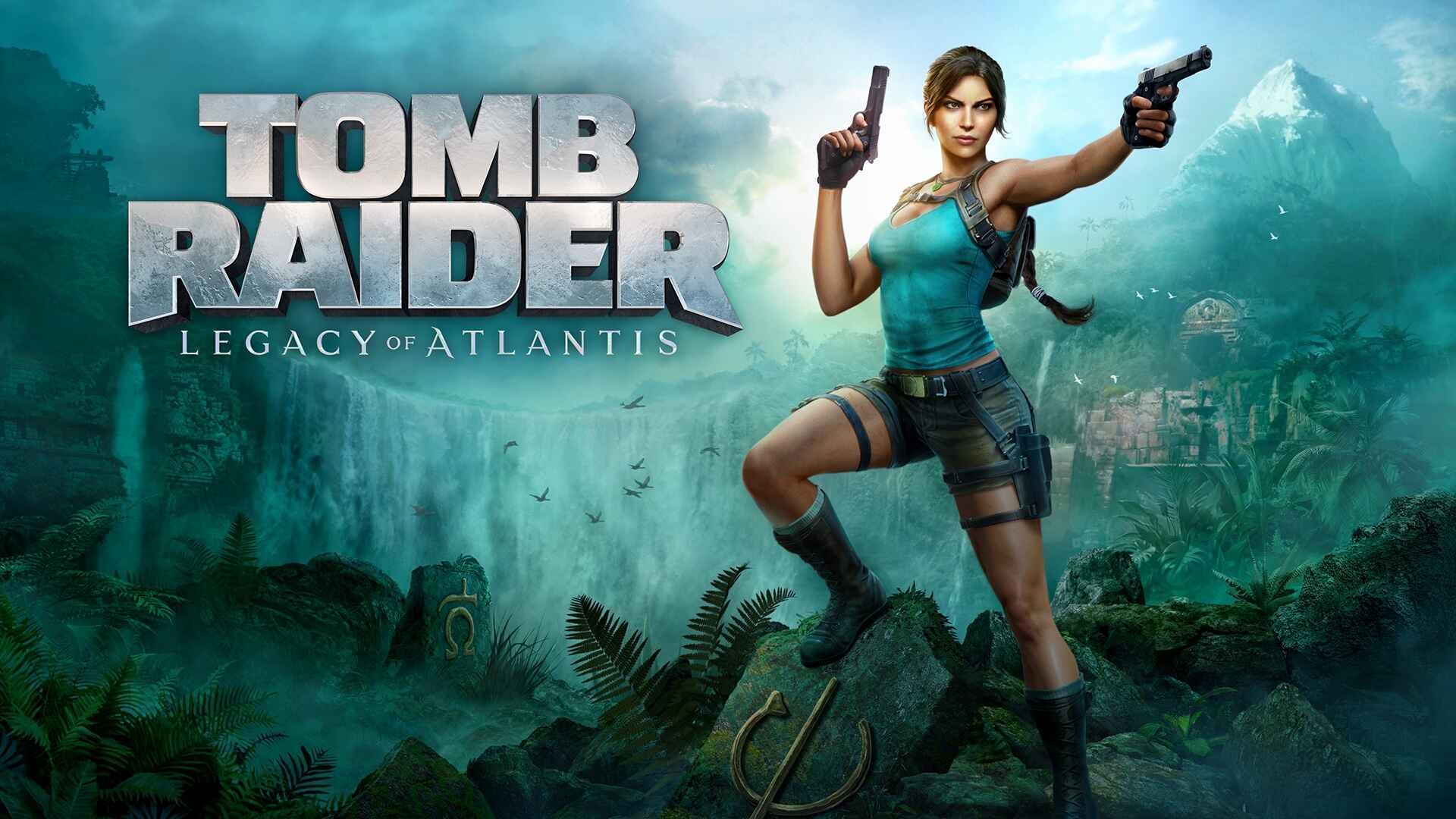
Tomb Raider: Legacy of Atlantis, developed by Crystal Dynamics and slated for release on Nintendo Switch 2 on February 12, 2027, has become the focus of industry and fan discussion after an AI disclosure appeared on the game's Steam page.
The notice prompted questions about how generative AI tools are being used in the production of high-profile titles as the gaming industry contends with new development workflows.
Crystal Dynamics publicly addressed the Steam disclosure, confirming the studio is using AI tools in its development process and clarifying the purpose of that usage.
In a conversation with Polygon, Jeff Adams, Crystal Dynamics’ director of experience, explained the studio’s approach: the team employs generative AI to create temporary visual assets early in level development so designers can test ideas quickly.
If a generated placeholder proves useful, the studio then moves the concept into its standard art and production pipelines, where final assets are crafted by human developers.
Rewriting that statement in clear, journalistic terms: Adams said Crystal Dynamics views AI as an efficiency tool to visualize and validate design ideas faster during early-stage development; any AI-generated visuals are used only as temporary placeholders, and the final, shipped assets will be produced through the studio’s traditional human-driven pipeline.
The Tomb Raider franchise has been maintained by Crystal Dynamics through several major releases in the 2010s, including the 2013 reboot and its follow-ups.
Legacy of Atlantis’ confirmation for Nintendo Switch 2 adds to growing third-party support for Nintendo’s next-generation handheld-console hybrid, and the title is scheduled to release on February 12, 2027 for that platform.
The use of AI in game production remains a contentious topic among players and creators alike, with some expressing concern that automation could displace creative roles.
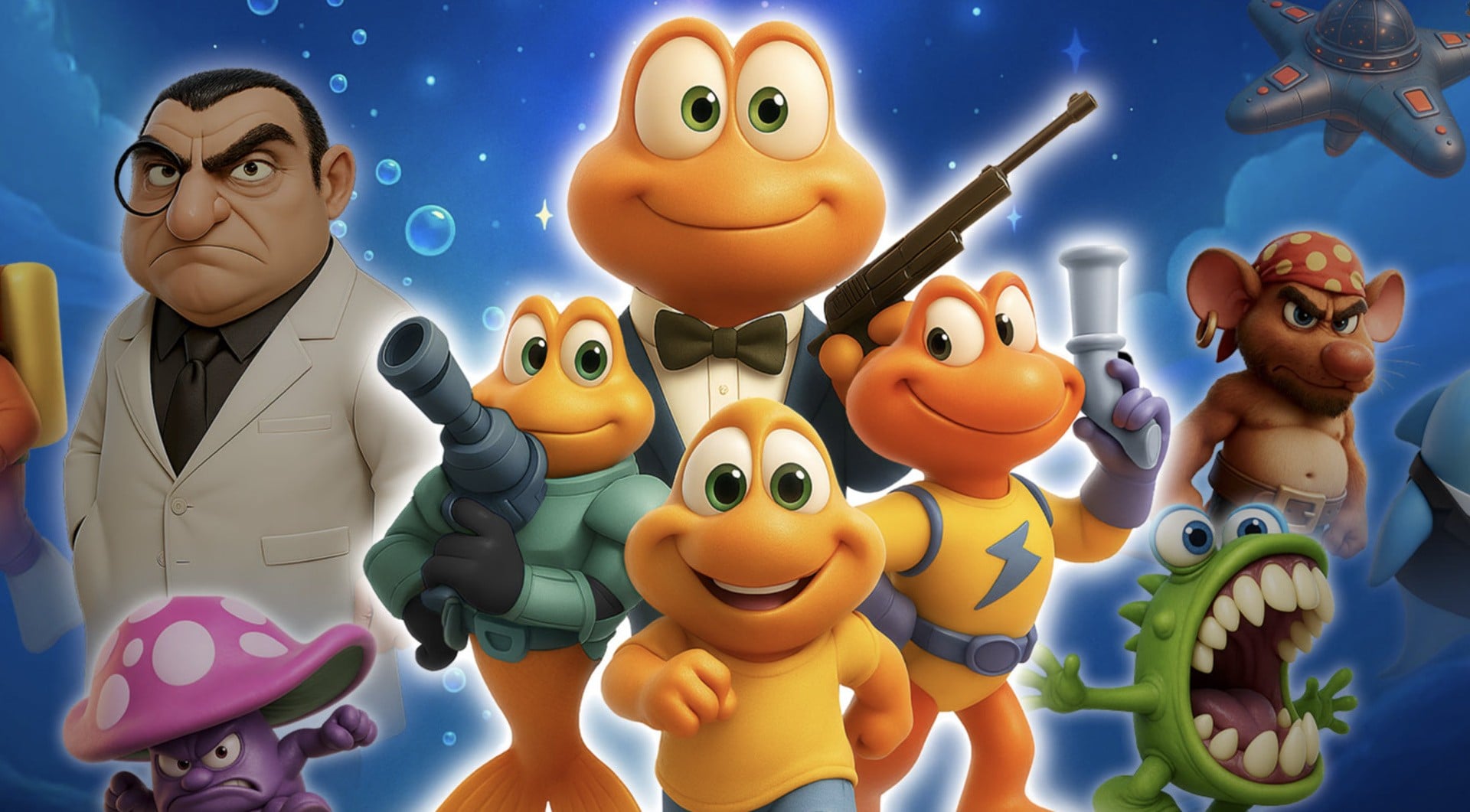
Similar scrutiny followed the announcement of Crazy Taxi: World Tour for Nintendo Switch 2, which also drew attention over AI-related disclosures.
Crystal Dynamics’ clarification is the latest example of studios publicly outlining limited, production-focused AI usage.
As more developers adopt generative tools for prototyping and iteration, publishers and platforms such as Steam and Nintendo’s eShop will likely continue to field questions about disclosure practices and how AI fits into established development pipelines.
Tomb Raider: Legacy of Atlantis, developed by Crystal Dynamics and slated for release on Nintendo Switch 2 on February 12, 2027, has become the focus of industry and fan discussion after an AI disclosure appeared on the game's Steam page.
The notice prompted questions about how generative AI tools are being used in the production of high-profile titles as the gaming industry contends with new development workflows.
Crystal Dynamics publicly addressed the Steam disclosure, confirming the studio is using AI tools in its development process and clarifying the purpose of that usage.
In a conversation with Polygon, Jeff Adams, Crystal Dynamics’ director of experience, explained the studio’s approach: the team employs generative AI to create temporary visual assets early in level development so designers can test ideas quickly.
If a generated placeholder proves useful, the studio then moves the concept into its standard art and production pipelines, where final assets are crafted by human developers.
Rewriting that statement in clear, journalistic terms: Adams said Crystal Dynamics views AI as an efficiency tool to visualize and validate design ideas faster during early-stage development; any AI-generated visuals are used only as temporary placeholders, and the final, shipped assets will be produced through the studio’s traditional human-driven pipeline.
The Tomb Raider franchise has been maintained by Crystal Dynamics through several major releases in the 2010s, including the 2013 reboot and its follow-ups.
Legacy of Atlantis’ confirmation for Nintendo Switch 2 adds to growing third-party support for Nintendo’s next-generation handheld-console hybrid, and the title is scheduled to release on February 12, 2027 for that platform.
The use of AI in game production remains a contentious topic among players and creators alike, with some expressing concern that automation could displace creative roles.
Similar scrutiny followed the announcement of Crazy Taxi: World Tour for Nintendo Switch 2, which also drew attention over AI-related disclosures.
Crystal Dynamics’ clarification is the latest example of studios publicly outlining limited, production-focused AI usage.
As more developers adopt generative tools for prototyping and iteration, publishers and platforms such as Steam and Nintendo’s eShop will likely continue to field questions about disclosure practices and how AI fits into established development pipelines.