
Generative AI has sparked intense debate across the creative industries, from gaming and animation to art and music.
While some studios and developers experiment with integrating AI-driven tools into their workflows, others are openly critical – highlighting legal, ethical, and artistic concerns.
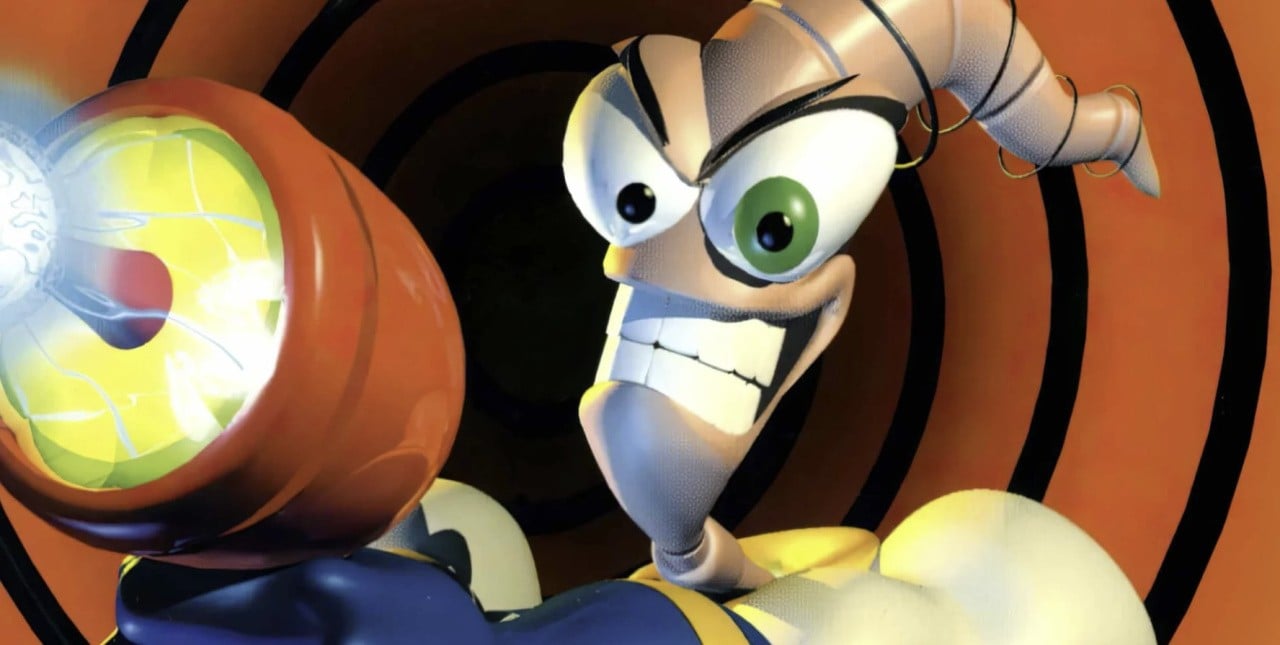
Amid this ongoing conversation, Doug TenNapel, the acclaimed creator of Earthworm Jim, has emerged as a vocal supporter of generative AI’s potential to democratize art creation.
TenNapel first rose to gaming prominence with Interplay and Shiny Entertainment, developing acclaimed titles including 'Earthworm Jim,' 'The Neverhood,' and 'Skullmonkeys.' In recent years, he’s engaged in spirited online debates regarding AI-generated art.
While companies like OpenAI, Google, Adobe, and Elon Musk’s X continue to advance and market AI creation tools, many industry professionals and artists have questioned the legality and morality of using training data sourced without creator permission.
Despite such concerns, TenNapel maintains a positive stance on the technology’s creative promise.
Speaking on the subject, TenNapel argued that AI liberates artists from traditional barriers, stating in clear terms that, “Artists should enjoy their creativity, and AI is an excellent tool that enables that freedom.” According to TenNapel, the role of ‘gatekeepers’ in the art and animation industry has diminished, and independent creators now have unprecedented access to tools that once required costly resources or studio backing.
He contends that AI does not steal jobs, but rather shifts opportunities toward independent and amateur creators who are passionate about telling their own stories.
TenNapel’s career history stretches from classic video games like 'The Jungle Book' and 'Stimpy’s Invention' to point-and-click adventures such as 'Armikrog.' He underscores that, while everyone possesses imagination, not all have the resources or skills to bring those visions to life unaided.
For these people, he believes, AI can help bridge the gap.
“Now is the best time for indies.
Animators who don’t want to follow the big studio formula are finally free from high costs and censorship, able to create what they want,” he remarked, reflecting on the changing landscape of game and animation development.
However, TenNapel’s pro-AI comments have drawn criticism from a number of industry peers.
Ian Fisch, known for 'Kingmakers,' and Tee Lopes, composer for 'Sonic Mania,' are among those challenging the notion that generating AI prompts is a creative discipline on par with traditional artistry.
Further, many creators and artists continue to advocate for transparency, fair compensation, and permission-based sourcing in the training of AI models.
In statements on social media, TenNapel’s perspective was met with skepticism, reflecting a broader unease in the creative community regarding AI ethics and originality.
In the wider gaming industry, major companies continue to weigh the utility of AI-driven tools for everything from asset generation to game design.
While some developers adopt new tech to streamline creative pipelines and reduce costs, others impose restrictions to safeguard the integrity of human-created content.
As AI becomes intertwined with platforms like Nintendo Switch and workflows ranging from AAA studios to indie developers, the debate is far from settled.
Ultimately, TenNapel’s advocacy reflects an ongoing tension within the gaming and creative arts ecosystems: Whether AI is a tool for liberation or a threat to originality, the conversation is shaping not just how games are made, but who gets to make them.
With industry leaders, artists, and developers continuing to push for clear standards, the discourse surrounding generative AI’s future in gaming and art will only intensify.
While some studios and developers experiment with integrating AI-driven tools into their workflows, others are openly critical – highlighting legal, ethical, and artistic concerns.
Amid this ongoing conversation, Doug TenNapel, the acclaimed creator of Earthworm Jim, has emerged as a vocal supporter of generative AI’s potential to democratize art creation.
TenNapel first rose to gaming prominence with Interplay and Shiny Entertainment, developing acclaimed titles including 'Earthworm Jim,' 'The Neverhood,' and 'Skullmonkeys.' In recent years, he’s engaged in spirited online debates regarding AI-generated art.
While companies like OpenAI, Google, Adobe, and Elon Musk’s X continue to advance and market AI creation tools, many industry professionals and artists have questioned the legality and morality of using training data sourced without creator permission.
Despite such concerns, TenNapel maintains a positive stance on the technology’s creative promise.
Speaking on the subject, TenNapel argued that AI liberates artists from traditional barriers, stating in clear terms that, “Artists should enjoy their creativity, and AI is an excellent tool that enables that freedom.” According to TenNapel, the role of ‘gatekeepers’ in the art and animation industry has diminished, and independent creators now have unprecedented access to tools that once required costly resources or studio backing.
He contends that AI does not steal jobs, but rather shifts opportunities toward independent and amateur creators who are passionate about telling their own stories.
TenNapel’s career history stretches from classic video games like 'The Jungle Book' and 'Stimpy’s Invention' to point-and-click adventures such as 'Armikrog.' He underscores that, while everyone possesses imagination, not all have the resources or skills to bring those visions to life unaided.
For these people, he believes, AI can help bridge the gap.
“Now is the best time for indies.
Animators who don’t want to follow the big studio formula are finally free from high costs and censorship, able to create what they want,” he remarked, reflecting on the changing landscape of game and animation development.
However, TenNapel’s pro-AI comments have drawn criticism from a number of industry peers.
Ian Fisch, known for 'Kingmakers,' and Tee Lopes, composer for 'Sonic Mania,' are among those challenging the notion that generating AI prompts is a creative discipline on par with traditional artistry.
Further, many creators and artists continue to advocate for transparency, fair compensation, and permission-based sourcing in the training of AI models.
In statements on social media, TenNapel’s perspective was met with skepticism, reflecting a broader unease in the creative community regarding AI ethics and originality.
In the wider gaming industry, major companies continue to weigh the utility of AI-driven tools for everything from asset generation to game design.
While some developers adopt new tech to streamline creative pipelines and reduce costs, others impose restrictions to safeguard the integrity of human-created content.
As AI becomes intertwined with platforms like Nintendo Switch and workflows ranging from AAA studios to indie developers, the debate is far from settled.
Ultimately, TenNapel’s advocacy reflects an ongoing tension within the gaming and creative arts ecosystems: Whether AI is a tool for liberation or a threat to originality, the conversation is shaping not just how games are made, but who gets to make them.
With industry leaders, artists, and developers continuing to push for clear standards, the discourse surrounding generative AI’s future in gaming and art will only intensify.