MegaDev 1.0 Launches: Pioneering Sega Mega CD Homebrew Development Tools
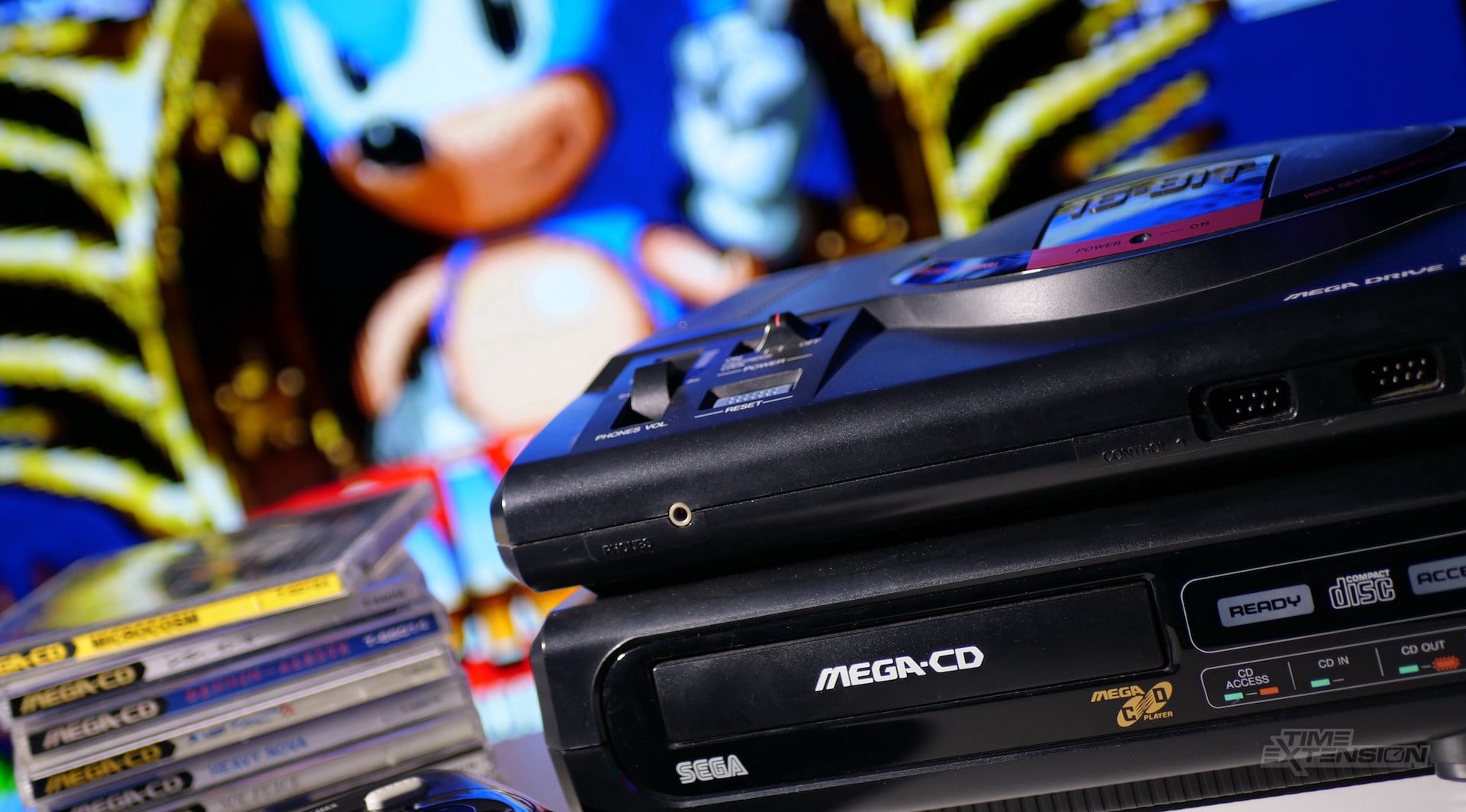
The Sega Mega CD, known as the Sega CD in North America, has long been overshadowed in the homebrew community by its cartridge-based sibling, the Genesis/Mega Drive.
Historically, the system has seen fewer fan-created games and ports, largely due to the complexity of developing for CD-based hardware and the lack of accessible development tools.
However, a significant turning point has arrived with the official release of MegaDev 1.0, a new toolkit crafted specifically for Sega Mega CD homebrew development by respected disassembler and retro gaming researcher, Sudden Desu.
First introduced in early 2023, MegaDev was originally made public as version 0.1, serving as an ambitious but early-phase toolkit.
For over a year, the project remained in a developmental limbo with version 0.1.1 available to intrepid programmers.
That changed over the past weekend when Sudden Desu released the long-awaited MegaDev 1.0, describing the debut as “the first 'full' version” and conceding it has been “a long time coming.” The creator explained that after a year of the project sitting in a nearly complete state, it was time to make it available to the broader retro development community, even with a handful of unfinished elements.
MegaDev is positioned as a powerful collection of utilities, code headers, reference documentation, and practical examples, all designed to streamline the development process for Sega Mega CD titles.
While MegaDev aims to lessen the technical barriers, Sudden Desu cautions that the tools are "less user-friendly" than the established SGDK and offer less guidance for newcomers.
The toolkit is mainly intended for programmers with experience in C or Motorola 68k assembly and a basic understanding of embedded system concepts.
Notably, MegaDev does not include built-in graphic conversion utilities, and developers are advised to craft their own solutions or await future updates from Sudden Desu.
The version 1.0 release introduces several key improvements.
Among the most significant are a new build system that utilizes standard makefiles over the previous custom "module definition" files—delivering reliability and a workflow more in line with modern development standards.
MegaDev 1.0 also features an updated sample project showcasing the Sega Mega CD's unique scaling and rotation capabilities, and a shift to the 'gitflow' branching model to support organized ongoing releases and collaboration.
Documentation has received a notable overhaul as well, although Sudden Desu notes that further refinement is needed, particularly in the area covering the Mega CD's Main BIOS system calls.
As emphasized in the official release update on platforms like Twitter/X, ongoing community feedback and contributions are both welcome and crucial for the toolkit’s future enhancements.
The launch of MegaDev 1.0 marks a promising new era for Sega Mega CD homebrew development.
By offering modernized tools and clearer guides, it opens the door to more creators tackling ambitious new projects for this storied retro platform—potentially inspiring renewed interest in CD-based game development across the retro and preservationist segments of the gaming community.
The Sega Mega CD, known as the Sega CD in North America, has long been overshadowed in the homebrew community by its cartridge-based sibling, the Genesis/Mega Drive.
Historically, the system has seen fewer fan-created games and ports, largely due to the complexity of developing for CD-based hardware and the lack of accessible development tools.
However, a significant turning point has arrived with the official release of MegaDev 1.0, a new toolkit crafted specifically for Sega Mega CD homebrew development by respected disassembler and retro gaming researcher, Sudden Desu.
First introduced in early 2023, MegaDev was originally made public as version 0.1, serving as an ambitious but early-phase toolkit.
For over a year, the project remained in a developmental limbo with version 0.1.1 available to intrepid programmers.
That changed over the past weekend when Sudden Desu released the long-awaited MegaDev 1.0, describing the debut as “the first 'full' version” and conceding it has been “a long time coming.” The creator explained that after a year of the project sitting in a nearly complete state, it was time to make it available to the broader retro development community, even with a handful of unfinished elements.
MegaDev is positioned as a powerful collection of utilities, code headers, reference documentation, and practical examples, all designed to streamline the development process for Sega Mega CD titles.
While MegaDev aims to lessen the technical barriers, Sudden Desu cautions that the tools are "less user-friendly" than the established SGDK and offer less guidance for newcomers.
The toolkit is mainly intended for programmers with experience in C or Motorola 68k assembly and a basic understanding of embedded system concepts.
Notably, MegaDev does not include built-in graphic conversion utilities, and developers are advised to craft their own solutions or await future updates from Sudden Desu.
The version 1.0 release introduces several key improvements.
Among the most significant are a new build system that utilizes standard makefiles over the previous custom "module definition" files—delivering reliability and a workflow more in line with modern development standards.
MegaDev 1.0 also features an updated sample project showcasing the Sega Mega CD's unique scaling and rotation capabilities, and a shift to the 'gitflow' branching model to support organized ongoing releases and collaboration.
Documentation has received a notable overhaul as well, although Sudden Desu notes that further refinement is needed, particularly in the area covering the Mega CD's Main BIOS system calls.
As emphasized in the official release update on platforms like Twitter/X, ongoing community feedback and contributions are both welcome and crucial for the toolkit’s future enhancements.
The launch of MegaDev 1.0 marks a promising new era for Sega Mega CD homebrew development.
By offering modernized tools and clearer guides, it opens the door to more creators tackling ambitious new projects for this storied retro platform—potentially inspiring renewed interest in CD-based game development across the retro and preservationist segments of the gaming community.