Shawn Layden, the former Sony Interactive Entertainment executive, has renewed the debate over what went wrong with the PlayStation Vita.
In a recent interview with PSI, Layden argued that Sony should have evolved the PSP platform rather than introducing a substantially different handheld.
His remarks add to longstanding conversations about the Vita's price, hardware decisions and commercial performance.
The PSP (PlayStation Portable) was a commercial success for Sony, selling more than 75 million units worldwide across its lifespan.
By contrast, the PlayStation Vita — released in Japan on December 17, 2011, and in North America and Europe in February 2012 — sold roughly 16 million units worldwide.
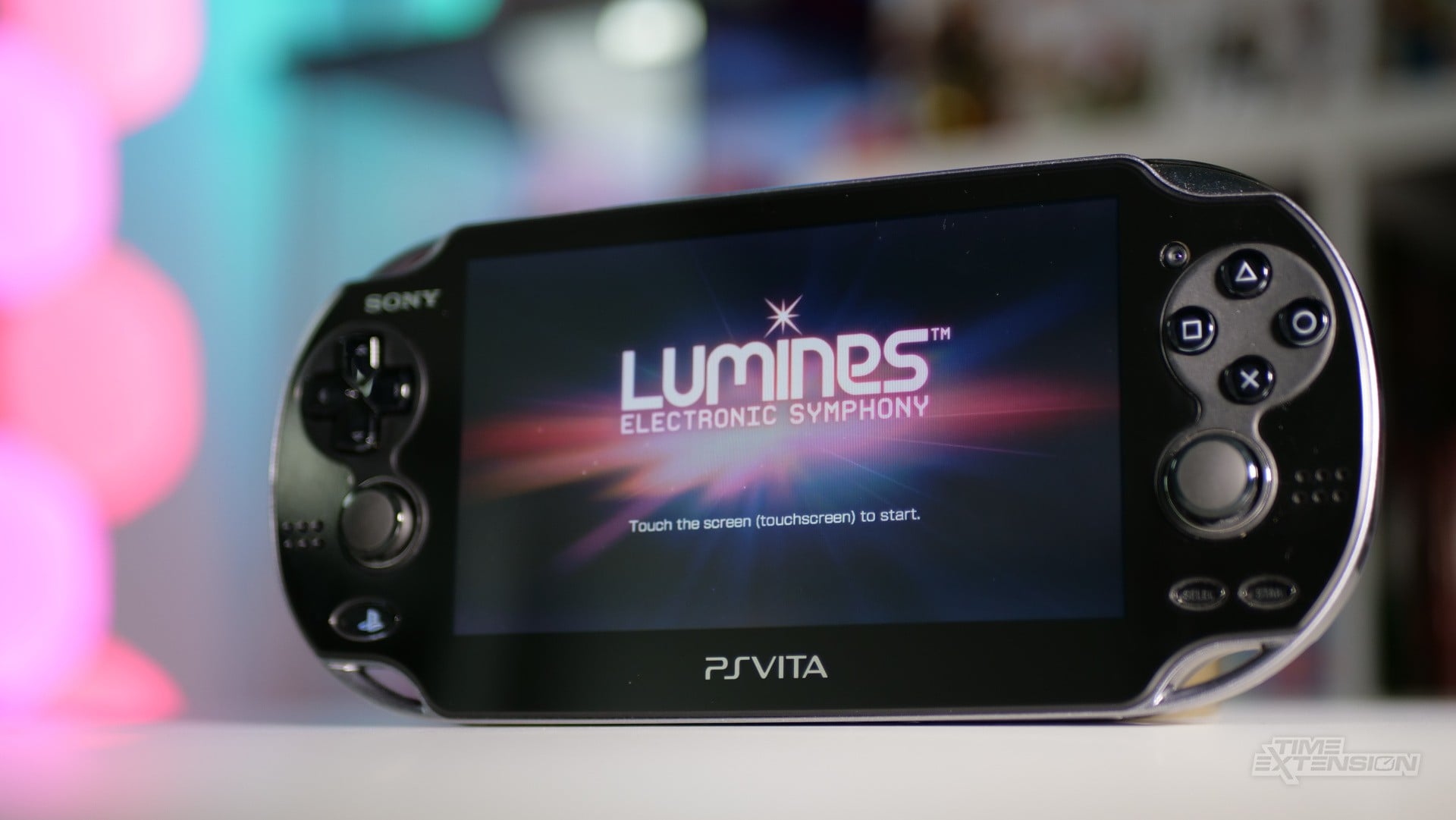
The Vita launched with several distinctive features, including an OLED front display on its original model, a rear touch panel, and integrated cameras, as well as a proprietary PlayStation Vita memory card format.
Paraphrasing Layden's comments, he told PSI that Sony missed an opportunity by not pursuing a direct PSP successor.
He said the company should have focused on a simpler hardware iteration — essentially a “PSP 2” — and that the primary functional improvement gamers wanted was an additional analog stick.
Layden argued that many of the Vita's innovations increased manufacturing cost without delivering commensurate consumer value.
On the Vita's specific hardware choices, Layden observed that features such as the rear touch panel were conceptually novel but often felt unnecessary for many ports and existing game types.
He suggested those additions made the device more expensive while offering little practical benefit for developers and players seeking traditional handheld controls.
Layden was particularly critical of the Vita's proprietary memory card.
He said that, unlike earlier PlayStation eras when proprietary memory cards were a new revenue stream, by the Vita's launch consumers already owned SD cards from cameras and phones — making Sony's decision to force a unique, expensive card a strategic misstep that discouraged some buyers and complicated digital distribution.
Those hardware and product-planning decisions, Layden told PSI, ultimately limited the Vita's ability to carry forward the PSP's market momentum.
To underscore his personal connection to Sony's handheld lineage, he also revealed he still carries a PSP Go and plays Everybody's Golf on the device.
Layden's reflections revive familiar lessons from the Vita era: hardware innovation must align with consumer expectations, developer workflows and price sensitivity.
The contrast between the PSP's broad install base and the Vita's more modest sales remains a key case study for platform strategy in the gaming industry.
In a recent interview with PSI, Layden argued that Sony should have evolved the PSP platform rather than introducing a substantially different handheld.
His remarks add to longstanding conversations about the Vita's price, hardware decisions and commercial performance.
The PSP (PlayStation Portable) was a commercial success for Sony, selling more than 75 million units worldwide across its lifespan.
By contrast, the PlayStation Vita — released in Japan on December 17, 2011, and in North America and Europe in February 2012 — sold roughly 16 million units worldwide.
The Vita launched with several distinctive features, including an OLED front display on its original model, a rear touch panel, and integrated cameras, as well as a proprietary PlayStation Vita memory card format.
Paraphrasing Layden's comments, he told PSI that Sony missed an opportunity by not pursuing a direct PSP successor.
He said the company should have focused on a simpler hardware iteration — essentially a “PSP 2” — and that the primary functional improvement gamers wanted was an additional analog stick.
Layden argued that many of the Vita's innovations increased manufacturing cost without delivering commensurate consumer value.
On the Vita's specific hardware choices, Layden observed that features such as the rear touch panel were conceptually novel but often felt unnecessary for many ports and existing game types.
He suggested those additions made the device more expensive while offering little practical benefit for developers and players seeking traditional handheld controls.
Layden was particularly critical of the Vita's proprietary memory card.
He said that, unlike earlier PlayStation eras when proprietary memory cards were a new revenue stream, by the Vita's launch consumers already owned SD cards from cameras and phones — making Sony's decision to force a unique, expensive card a strategic misstep that discouraged some buyers and complicated digital distribution.
Those hardware and product-planning decisions, Layden told PSI, ultimately limited the Vita's ability to carry forward the PSP's market momentum.
To underscore his personal connection to Sony's handheld lineage, he also revealed he still carries a PSP Go and plays Everybody's Golf on the device.
Layden's reflections revive familiar lessons from the Vita era: hardware innovation must align with consumer expectations, developer workflows and price sensitivity.
The contrast between the PSP's broad install base and the Vita's more modest sales remains a key case study for platform strategy in the gaming industry.