Blaze Entertainment’s Evercade has released a short, tongue-in-cheek video that underscores the retro handheld’s emphasis on physical cartridges at a time when the wider industry continues shifting toward digital distribution.
Background and context
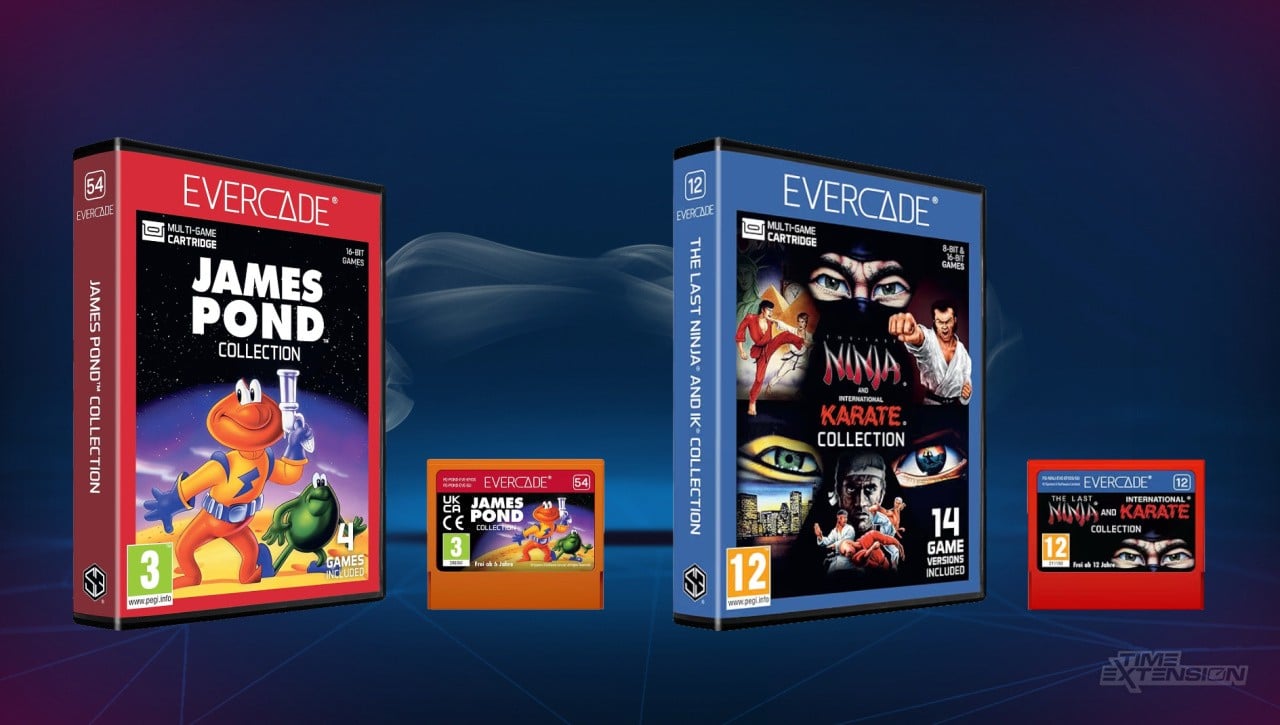
Evercade, developed and published by Blaze Entertainment, is built around cartridge-based compilations of retro titles and has positioned physical media as a core part of its appeal.
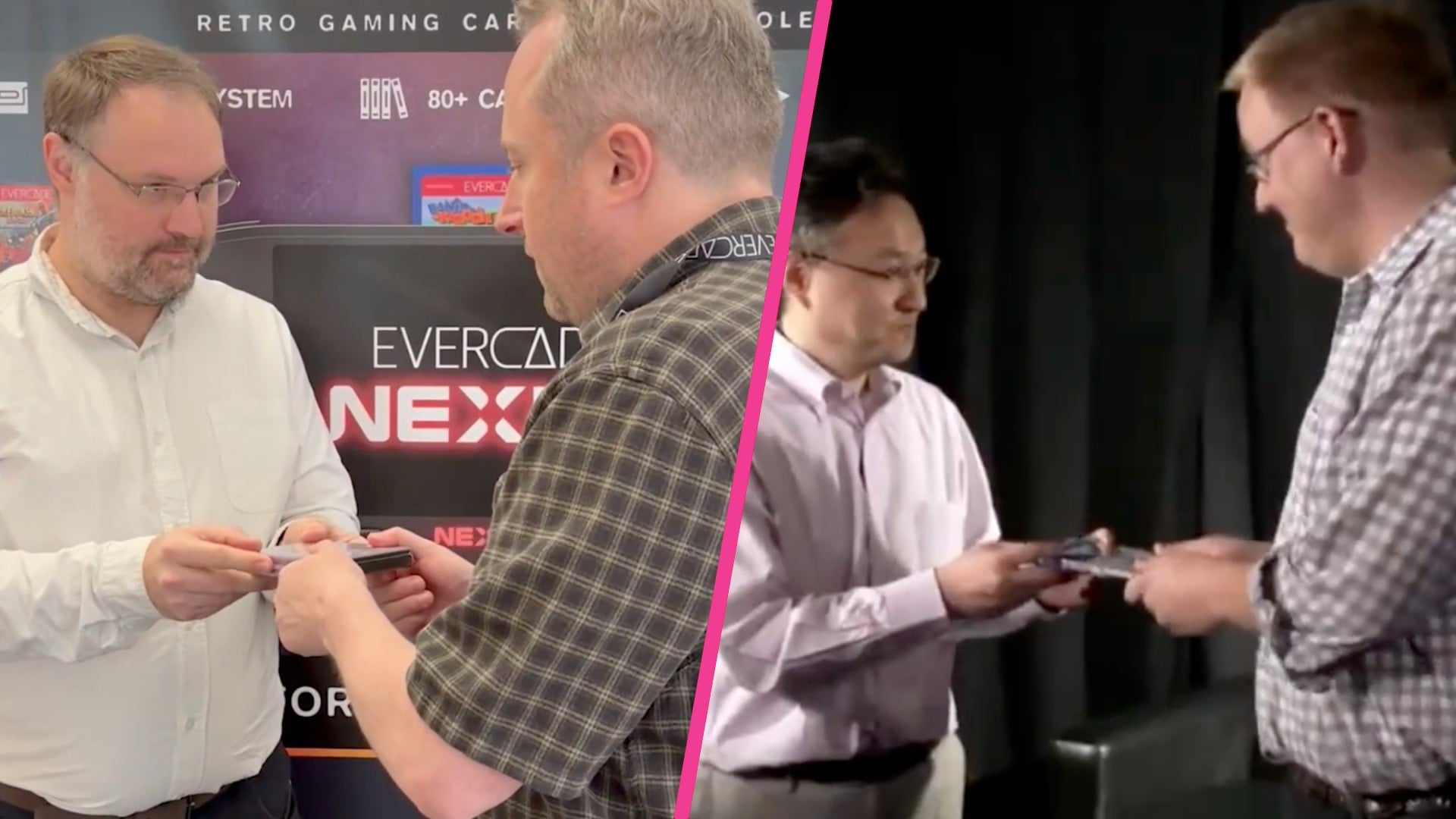
The new clip plays on that identity while echoing an earlier console-era moment: in 2013 Sony published a brief, playful video featuring Shuhei Yoshida and Adam Boyes exchanging a disc to lampoon proposed Xbox One DRM policies announced by then-Xbox boss Don Mattrick.
Those Xbox One policies, which would have tied some disc-based games to consoles and limited trade and sharing, were later abandoned after consumer backlash.
What Blaze’s video does
Blaze’s new piece, titled "Official Evercade Physical Game Sharing Instructional Video," opens with the line "This is how you share a game," and stages a straightforward, jokey cartridge swap between company staff to emphasize that Evercade’s selling point is physical ownership and collection.
Presented as an instructional gag, the clip deliberately contrasts the tactile act of swapping cartridges with the abstract nature of digital licenses.
Industry context
The gaming market has been trending toward digital sales for years; storefronts such as Nintendo eShop, PlayStation Store and Xbox Store now account for a large and growing portion of industry revenue.
Still, physical media retains an active niche—especially for collectors, retro enthusiasts, and platforms like Evercade that market tangible, curated compilations.
Why it matters
For developers and publishers, the balance between digital convenience and the collector appeal of physical releases remains a strategic question.
Evercade’s video highlights how smaller hardware makers can leverage physical media as a differentiator, while the 2013 Sony clip reminds the industry that consumer sentiment around ownership and sharing can be both culturally resonant and commercially significant.
The Evercade family continues to market cartridge collections as its primary experience.
As platform holders expand digital services, the conversation around ownership, sharing, and physical collectibles will likely remain an ongoing topic in hardware and release strategy discussions.
Background and context
Evercade, developed and published by Blaze Entertainment, is built around cartridge-based compilations of retro titles and has positioned physical media as a core part of its appeal.
The new clip plays on that identity while echoing an earlier console-era moment: in 2013 Sony published a brief, playful video featuring Shuhei Yoshida and Adam Boyes exchanging a disc to lampoon proposed Xbox One DRM policies announced by then-Xbox boss Don Mattrick.
Those Xbox One policies, which would have tied some disc-based games to consoles and limited trade and sharing, were later abandoned after consumer backlash.
What Blaze’s video does
Blaze’s new piece, titled "Official Evercade Physical Game Sharing Instructional Video," opens with the line "This is how you share a game," and stages a straightforward, jokey cartridge swap between company staff to emphasize that Evercade’s selling point is physical ownership and collection.
Presented as an instructional gag, the clip deliberately contrasts the tactile act of swapping cartridges with the abstract nature of digital licenses.
Industry context
The gaming market has been trending toward digital sales for years; storefronts such as Nintendo eShop, PlayStation Store and Xbox Store now account for a large and growing portion of industry revenue.
Still, physical media retains an active niche—especially for collectors, retro enthusiasts, and platforms like Evercade that market tangible, curated compilations.
Why it matters
For developers and publishers, the balance between digital convenience and the collector appeal of physical releases remains a strategic question.
Evercade’s video highlights how smaller hardware makers can leverage physical media as a differentiator, while the 2013 Sony clip reminds the industry that consumer sentiment around ownership and sharing can be both culturally resonant and commercially significant.
The Evercade family continues to market cartridge collections as its primary experience.
As platform holders expand digital services, the conversation around ownership, sharing, and physical collectibles will likely remain an ongoing topic in hardware and release strategy discussions.