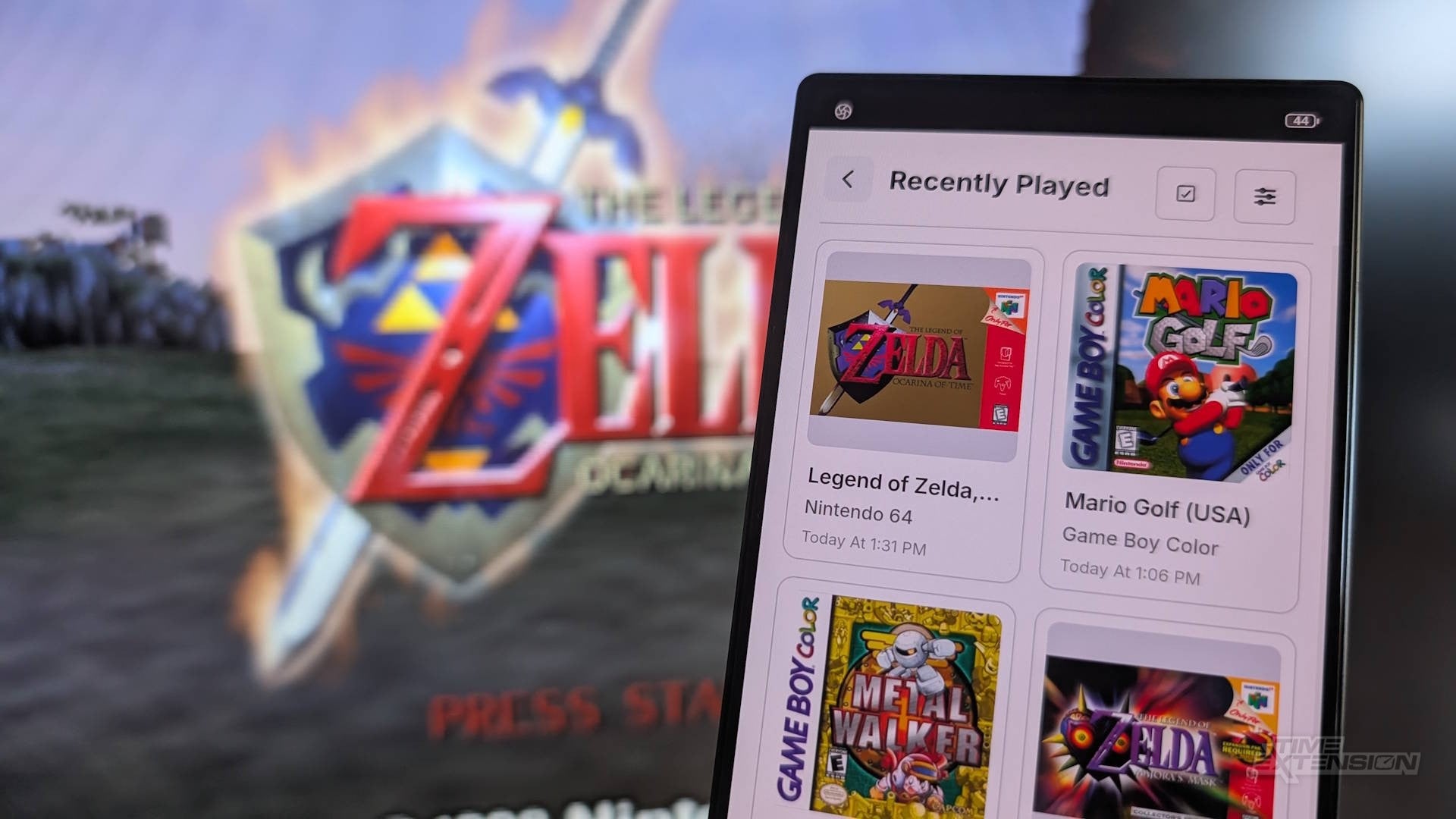



Afterplay launched in 2021 as a browser-first emulation service aimed at making retro games accessible across desktop and mobile without local emulator installs.
Built by developer Patrick Corrigan, the platform now supports more than 30 classic systems, offers cloud storage for user-uploaded ROMs, and integrates features such as online multiplayer, RetroAchievements, and a growing storefront of modern indie titles built for old hardware.
Corrigan describes Afterplay’s origin as a personal solution: he wanted to start a game on a laptop and continue from the exact same save on a phone.
That core capability—seamless cloud-synced saves and settings across devices—is the product’s defining feature, even as the team continues to expand the service toward a broader goal of becoming a default destination for retro play.
Technical foundation and browser challenges
Under the hood, Afterplay runs RetroArch cores inside the browser to deliver compatibility and features familiar to retro players.
Corrigan told Time Extension that iOS Safari posed the most persistent engineering constraint because of strict memory limits and delayed web-standard adoption.
He explained that larger DS titles would hit Safari’s memory ceiling and bring tabs down, prompting a workaround that streamed compressed CHD files and later moved to streaming from the Origin Private File System (OPFS) for cleaner results.
According to Corrigan, once Safari is handled, Chrome and other browsers generally follow suit.
Storefront and publisher partnerships
Afterplay does not distribute ROMs; users must upload their own copies.
The platform has partnered with publishers including incube8 Games and Mega Cat Studios to sell legitimately licensed new releases that run on classic hardware profiles.
The storefront now lists more than 50 titles, and users can try demos in-browser before purchasing and continuing play across devices.
Legal and business positioning
Corrigan framed Afterplay’s approach to legality as straightforward: emulation and game files are separate.
The company does not supply ROMs; cloud storage functions similarly to mainstream file services, and all marketplace content is commercially licensed.
He also contrasted Afterplay with self-hosted alternatives such as RomM, noting that Afterplay prioritizes zero-install convenience, built-in netplay, cloud sync, and integrated store and social features.
AI, features, and the roadmap
Afterplay has integrated AI for on-the-fly translation and is experimenting with an autopilot feature that can perform in-game tasks when it understands a game’s memory structure.
Corrigan said AI has accelerated development and quality practices but emphasized manual review and testing remain central.
Looking ahead, the team is evaluating additional systems such as PSP and Dreamcast for browser delivery and has started work toward heavier targets like PS2 where dynamic recompilation would be required.
Social features are a clear priority: private netplay rooms with voice and video exist today, and public rooms for drop-in play are planned once moderation systems are in place.
For players and developers interested in browser-based emulation, Afterplay represents a five-year effort to combine RetroArch compatibility, cloud saves, and a lightweight storefront into a single web-native experience.
The project’s progress, publisher partnerships, and focus on cross-device continuity make it one of the more notable entries in modern emulation and retro preservation conversations.
Built by developer Patrick Corrigan, the platform now supports more than 30 classic systems, offers cloud storage for user-uploaded ROMs, and integrates features such as online multiplayer, RetroAchievements, and a growing storefront of modern indie titles built for old hardware.
Corrigan describes Afterplay’s origin as a personal solution: he wanted to start a game on a laptop and continue from the exact same save on a phone.
That core capability—seamless cloud-synced saves and settings across devices—is the product’s defining feature, even as the team continues to expand the service toward a broader goal of becoming a default destination for retro play.
Technical foundation and browser challenges
Under the hood, Afterplay runs RetroArch cores inside the browser to deliver compatibility and features familiar to retro players.
Corrigan told Time Extension that iOS Safari posed the most persistent engineering constraint because of strict memory limits and delayed web-standard adoption.
He explained that larger DS titles would hit Safari’s memory ceiling and bring tabs down, prompting a workaround that streamed compressed CHD files and later moved to streaming from the Origin Private File System (OPFS) for cleaner results.
According to Corrigan, once Safari is handled, Chrome and other browsers generally follow suit.
Storefront and publisher partnerships
Afterplay does not distribute ROMs; users must upload their own copies.
The platform has partnered with publishers including incube8 Games and Mega Cat Studios to sell legitimately licensed new releases that run on classic hardware profiles.
The storefront now lists more than 50 titles, and users can try demos in-browser before purchasing and continuing play across devices.
Legal and business positioning
Corrigan framed Afterplay’s approach to legality as straightforward: emulation and game files are separate.
The company does not supply ROMs; cloud storage functions similarly to mainstream file services, and all marketplace content is commercially licensed.
He also contrasted Afterplay with self-hosted alternatives such as RomM, noting that Afterplay prioritizes zero-install convenience, built-in netplay, cloud sync, and integrated store and social features.
AI, features, and the roadmap
Afterplay has integrated AI for on-the-fly translation and is experimenting with an autopilot feature that can perform in-game tasks when it understands a game’s memory structure.
Corrigan said AI has accelerated development and quality practices but emphasized manual review and testing remain central.
Looking ahead, the team is evaluating additional systems such as PSP and Dreamcast for browser delivery and has started work toward heavier targets like PS2 where dynamic recompilation would be required.
Social features are a clear priority: private netplay rooms with voice and video exist today, and public rooms for drop-in play are planned once moderation systems are in place.
For players and developers interested in browser-based emulation, Afterplay represents a five-year effort to combine RetroArch compatibility, cloud saves, and a lightweight storefront into a single web-native experience.
The project’s progress, publisher partnerships, and focus on cross-device continuity make it one of the more notable entries in modern emulation and retro preservation conversations.