Metroid Dread and the Challenge of Preserving Isolation on Nintendo Switch
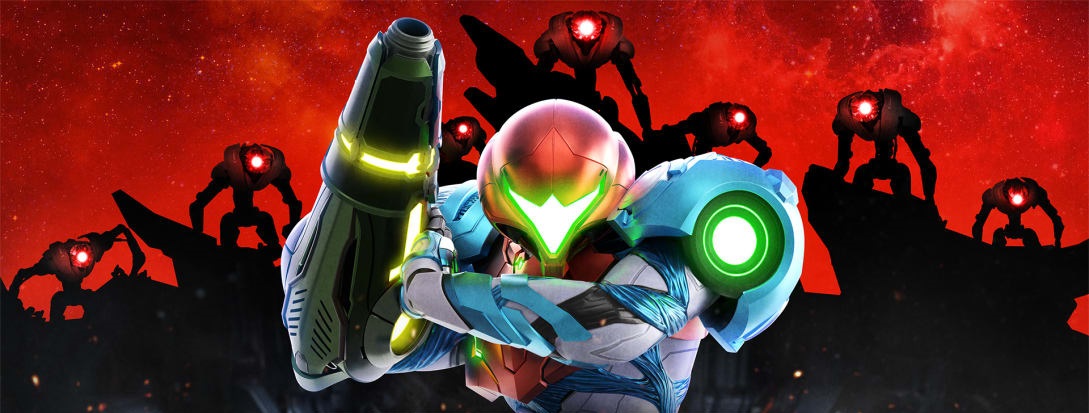
Metroid Dread arrived on Nintendo Switch on October 8, 2021, developed by MercurySteam in collaboration with Nintendo and announced during a June 2021 Nintendo Direct.
Positioned as a direct sequel to 2002’s Metroid Fusion, Dread marked the first original 2D mainline Metroid entry since Fusion and continued the series’ long-running focus on exploration, atmosphere, and the lone protagonist Samus Aran.
MercurySteam previously partnered with Nintendo on Metroid: Samus Returns for the Nintendo 3DS, establishing the studio as a custodian of the 2D Metroid blueprint.
Preserving the series’ atmosphere
A recurring point of discussion among fans and critics is how Metroid’s cinematic inspirations translate into gameplay.
Historically, the original Metroid drew inspiration from science-fiction films such as Alien, and that influence was effective so long as the franchise remained focused on interactive exploration.
One concise way to put that argument: the franchise’s filmic influences enhanced the games when those elements were expressed through gameplay rather than overt cinematic storytelling.
Another frequently voiced concern is the series’ core emotional hook: the sense of isolation on a hostile alien world.
Observers have argued that the strength of Metroid titles lies in that solitary tension, and that adding many supporting characters or heavy-handed narrative beats can reduce the feeling of being alone.
In journalistic terms, that viewpoint holds that increasing character presence or fully cinematic adaptations—like a hypothetical film or a fully voiced Samus—risk diluting the franchise’s signature solitude.
What Metroid Dread demonstrated
Metroid Dread was framed by Nintendo as a continuation of the Fusion storyline and by MercurySteam as an opportunity to evolve 2D Metroid design.
The game retained the single-player exploration loop and tension-driving encounters while introducing new mechanical and narrative beats within the established framework.
Released exclusively on Nintendo Switch and available via retail and the Nintendo eShop, Dread reinforced that original stories can still be told in the Metroid mold without abandoning what made the series distinct.
As the franchise continues to be stewarded by Nintendo and partner studios like MercurySteam, the balance between cinematic influence and interactive isolation remains the central design challenge for future Metroid projects.
Metroid Dread arrived on Nintendo Switch on October 8, 2021, developed by MercurySteam in collaboration with Nintendo and announced during a June 2021 Nintendo Direct.
Positioned as a direct sequel to 2002’s Metroid Fusion, Dread marked the first original 2D mainline Metroid entry since Fusion and continued the series’ long-running focus on exploration, atmosphere, and the lone protagonist Samus Aran.
MercurySteam previously partnered with Nintendo on Metroid: Samus Returns for the Nintendo 3DS, establishing the studio as a custodian of the 2D Metroid blueprint.
Preserving the series’ atmosphere
A recurring point of discussion among fans and critics is how Metroid’s cinematic inspirations translate into gameplay.
Historically, the original Metroid drew inspiration from science-fiction films such as Alien, and that influence was effective so long as the franchise remained focused on interactive exploration.
One concise way to put that argument: the franchise’s filmic influences enhanced the games when those elements were expressed through gameplay rather than overt cinematic storytelling.
Another frequently voiced concern is the series’ core emotional hook: the sense of isolation on a hostile alien world.
Observers have argued that the strength of Metroid titles lies in that solitary tension, and that adding many supporting characters or heavy-handed narrative beats can reduce the feeling of being alone.
In journalistic terms, that viewpoint holds that increasing character presence or fully cinematic adaptations—like a hypothetical film or a fully voiced Samus—risk diluting the franchise’s signature solitude.
What Metroid Dread demonstrated
Metroid Dread was framed by Nintendo as a continuation of the Fusion storyline and by MercurySteam as an opportunity to evolve 2D Metroid design.
The game retained the single-player exploration loop and tension-driving encounters while introducing new mechanical and narrative beats within the established framework.
Released exclusively on Nintendo Switch and available via retail and the Nintendo eShop, Dread reinforced that original stories can still be told in the Metroid mold without abandoning what made the series distinct.
As the franchise continues to be stewarded by Nintendo and partner studios like MercurySteam, the balance between cinematic influence and interactive isolation remains the central design challenge for future Metroid projects.