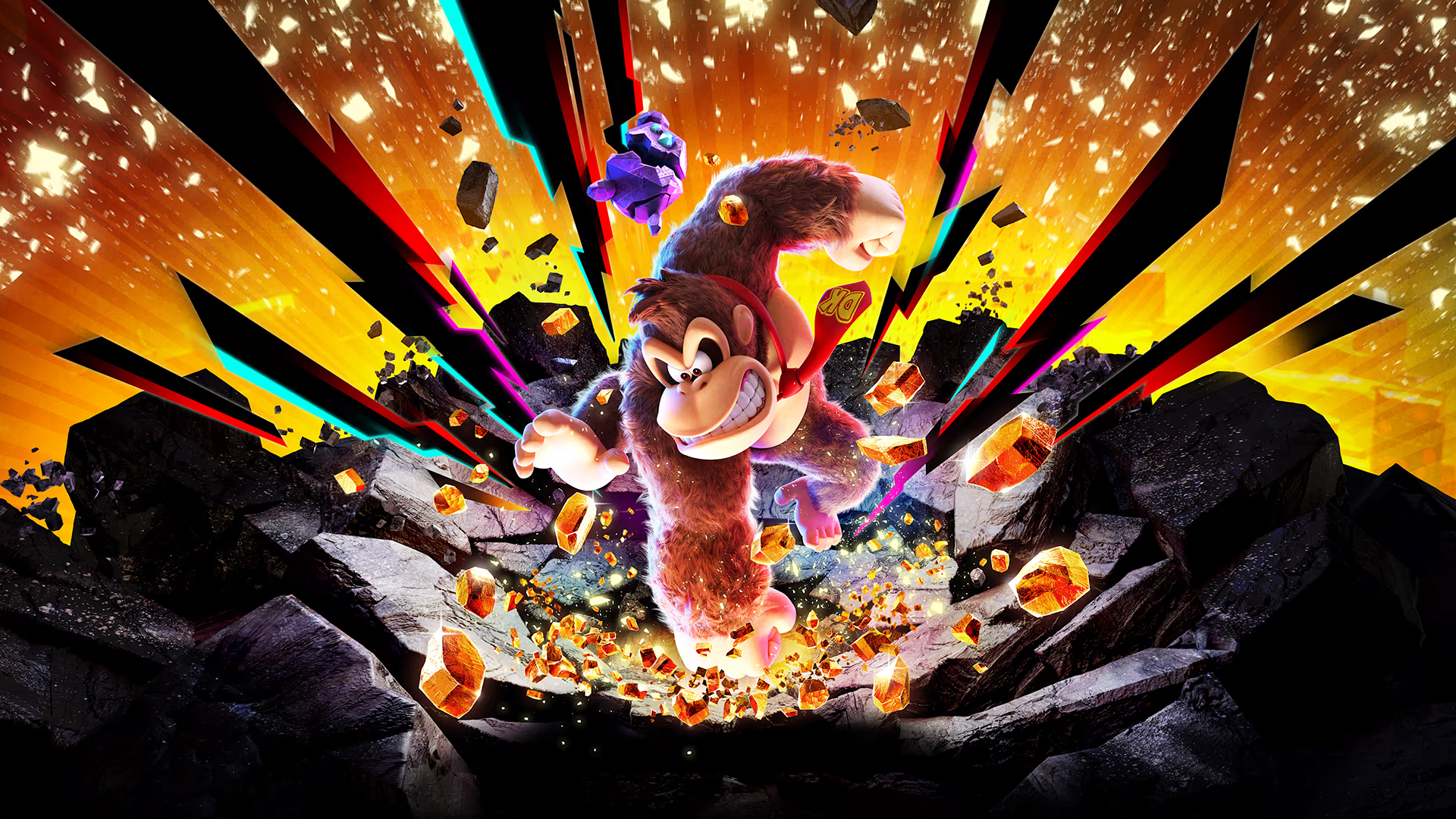


In a recent feature by Game Informer, Donkey Kong Bananza’s producer Kenta Motokura and lead programmer Tatsuya Kurihara provided an in-depth look at the conceptualization and technical execution behind Nintendo’s latest platforming hit for the Nintendo Switch.
The interview, conducted following their appearance at this year’s Game Developers Conference (GDC), offers rare behind-the-scenes insight into the team’s creative process, particularly focusing on transformation mechanics and the impact they’ve had on level design.
Since its launch, Donkey Kong Bananza has captivated players with its dynamic transformation abilities, enabling Donkey Kong to take on new forms to navigate inventive level challenges and destructible environments.
One transformation in particular—the Elephant form—quickly became a topic of interest for fans and critics alike.
Lead programmer Tatsuya Kurihara candidly shared that the Elephant transformation may have exceeded even the team’s original expectations in terms of in-game power.
Kurihara explained, "We can agree that the Elephant form ended up as the most powerful transformation in Bananza.
In hindsight, it probably pushed the limits a bit, but prioritizing gameplay enjoyment stood above strict balancing concerns."
Producer Kenta Motokura elaborated further on the design philosophy that drove these decisions.
"Our main objective was to facilitate creative destruction throughout the game.
We deliberately built Donkey Kong Bananza differently from traditional Mario titles, allowing Donkey Kong to transform at will, rather than tying transformations to specific in-game items.
This decision was meant to amplify player agency and enjoyment," Motokura noted.
The development team faced unique design challenges due to the player’s ability to access potent transformations at any time.
Motokura reflected on how this changed their entire approach to level design.
"Careful placement of environmental elements, including both visible and hidden objects, became a core challenge.
Every item and obstacle’s position had to be meticulously considered to ensure gameplay remained engaging, even with powerful transformations." This balancing act is evident through the game’s diverse levels and puzzle elements, where the team worked to offer players meaningful options despite the dominance of the Elephant transformation.
Despite debates among the fanbase regarding the transformative mechanics’ impact on gameplay balance, Donkey Kong Bananza has been widely celebrated for its creativity and technical polish.
The game’s achievements include winning Best Family Game at The Game Awards 2025 and being featured in several Nintendo Direct highlights.
Its soundtrack was recently made available as a sampler on Nintendo Music, further cementing its status among Switch platform standouts.
Nintendo continues to support Donkey Kong Bananza with updates, such as enhancements for upcoming hardware and new playable characters, keeping the title engaging for new and returning players on the eShop.
For those interested in a deeper dive into Donkey Kong Bananza’s development, the full Game Informer interview is highly recommended, offering more insights into the iterative processes that drive Nintendo’s acclaimed approach to game design.
The interview, conducted following their appearance at this year’s Game Developers Conference (GDC), offers rare behind-the-scenes insight into the team’s creative process, particularly focusing on transformation mechanics and the impact they’ve had on level design.
Since its launch, Donkey Kong Bananza has captivated players with its dynamic transformation abilities, enabling Donkey Kong to take on new forms to navigate inventive level challenges and destructible environments.
One transformation in particular—the Elephant form—quickly became a topic of interest for fans and critics alike.
Lead programmer Tatsuya Kurihara candidly shared that the Elephant transformation may have exceeded even the team’s original expectations in terms of in-game power.
Kurihara explained, "We can agree that the Elephant form ended up as the most powerful transformation in Bananza.
In hindsight, it probably pushed the limits a bit, but prioritizing gameplay enjoyment stood above strict balancing concerns."
Producer Kenta Motokura elaborated further on the design philosophy that drove these decisions.
"Our main objective was to facilitate creative destruction throughout the game.
We deliberately built Donkey Kong Bananza differently from traditional Mario titles, allowing Donkey Kong to transform at will, rather than tying transformations to specific in-game items.
This decision was meant to amplify player agency and enjoyment," Motokura noted.
The development team faced unique design challenges due to the player’s ability to access potent transformations at any time.
Motokura reflected on how this changed their entire approach to level design.
"Careful placement of environmental elements, including both visible and hidden objects, became a core challenge.
Every item and obstacle’s position had to be meticulously considered to ensure gameplay remained engaging, even with powerful transformations." This balancing act is evident through the game’s diverse levels and puzzle elements, where the team worked to offer players meaningful options despite the dominance of the Elephant transformation.
Despite debates among the fanbase regarding the transformative mechanics’ impact on gameplay balance, Donkey Kong Bananza has been widely celebrated for its creativity and technical polish.
The game’s achievements include winning Best Family Game at The Game Awards 2025 and being featured in several Nintendo Direct highlights.
Its soundtrack was recently made available as a sampler on Nintendo Music, further cementing its status among Switch platform standouts.
Nintendo continues to support Donkey Kong Bananza with updates, such as enhancements for upcoming hardware and new playable characters, keeping the title engaging for new and returning players on the eShop.
For those interested in a deeper dive into Donkey Kong Bananza’s development, the full Game Informer interview is highly recommended, offering more insights into the iterative processes that drive Nintendo’s acclaimed approach to game design.