Robert Caskin “Bobby” Prince III, the composer whose soundtracks helped define 1990s PC shooters, has died at the age of 81.
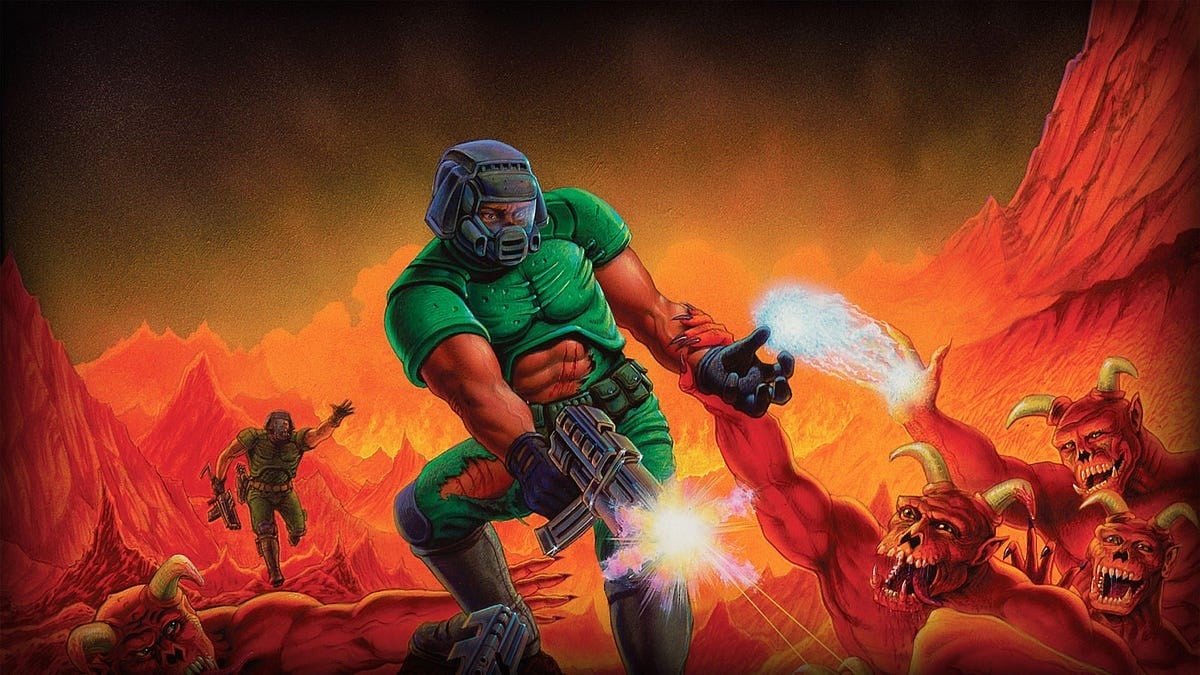
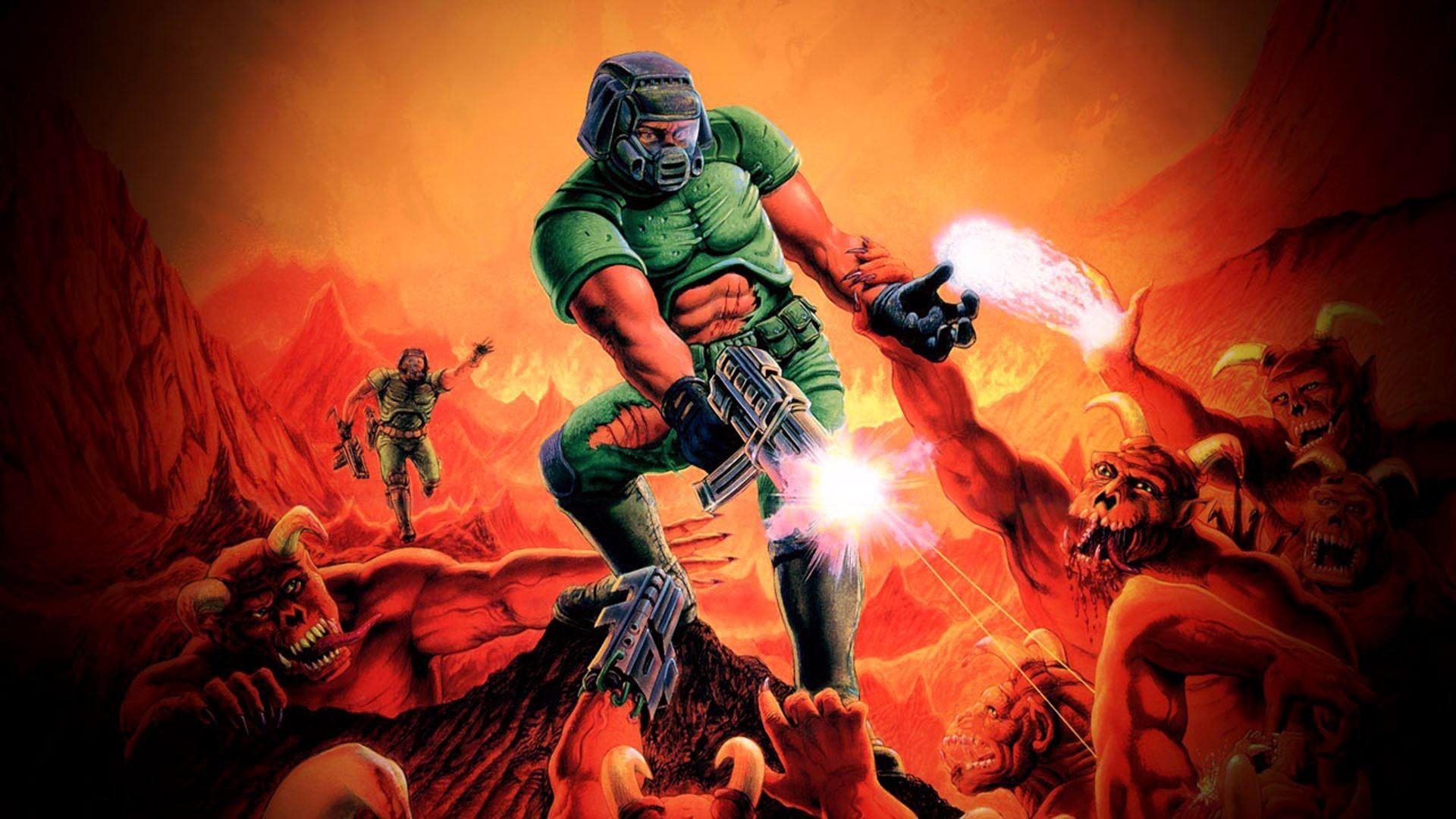
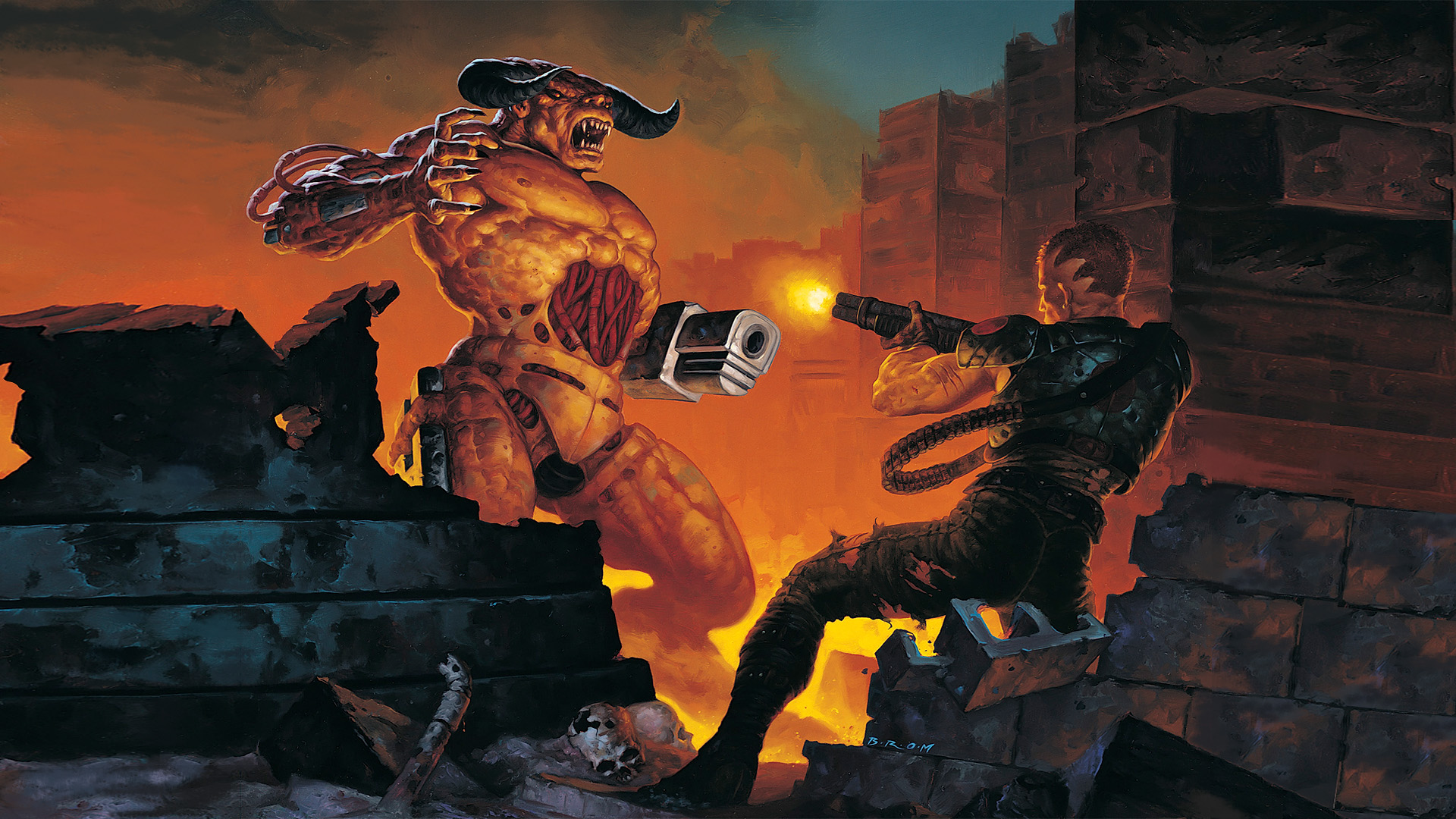
Prince’s work on landmark titles such as Wolfenstein 3D (1992), Doom (1993), Doom II (1994) and Commander Keen (1990) made him a central figure in early video game audio design.
He also contributed music for Apogee and 3D Realms projects, including Rise of the Triad (1994) and the seminal first‑person shooter Duke Nukem 3D (1996), where he collaborated with fellow composer Lee Jackson.
Family members posted an obituary online earlier this week announcing Prince’s passing after an undisclosed illness.
The news was amplified by colleagues and fans across the industry, including Commander Keen designer Tom Hall.
Hall praised Prince as both an influential composer and a warm, entertaining presence in the development community, saying in effect that Prince was a true legend whose music will continue to resonate.
Before breaking into games, Prince served in the U.S. military and later worked in counseling and law, according to biographical notes included with his obituary.
He transitioned into the video game industry during the shareware era, composing memorable MIDI‑based scores and sound effects that matched the fast‑paced action and technical constraints of DOS‑era engines.
His adaptive, riff‑driven approach to game music played a key role in the sound identity of id Software’s early releases.
Prince’s contributions were recognized by his peers: in 2006 he received a Lifetime Achievement Award at the 4th Annual G.A.N.G. (Game Audio Network Guild) Awards.
More recently, his soundtrack for Doom has been singled out for preservation by the Library of Congress, underscoring the cultural and historical importance of his work in the medium.
Many of the classic games Prince scored have been preserved and re‑released across modern platforms and digital storefronts, and their music continues to be experienced by new audiences via ports and compilations available on platforms including the Nintendo Switch and other consoles and stores such as the eShop.
His influence on game audio, especially in first‑person shooters and action titles, is frequently cited by composers and developers who followed.
The game industry and fans worldwide mourn Prince’s passing.
His melodies and soundscapes remain embedded in some of the most influential PC titles of the 1990s, and his legacy in game composition endures through both formal recognition and the continued popularity of the games he helped define.
Prince’s work on landmark titles such as Wolfenstein 3D (1992), Doom (1993), Doom II (1994) and Commander Keen (1990) made him a central figure in early video game audio design.
He also contributed music for Apogee and 3D Realms projects, including Rise of the Triad (1994) and the seminal first‑person shooter Duke Nukem 3D (1996), where he collaborated with fellow composer Lee Jackson.
Family members posted an obituary online earlier this week announcing Prince’s passing after an undisclosed illness.
The news was amplified by colleagues and fans across the industry, including Commander Keen designer Tom Hall.
Hall praised Prince as both an influential composer and a warm, entertaining presence in the development community, saying in effect that Prince was a true legend whose music will continue to resonate.
Before breaking into games, Prince served in the U.S. military and later worked in counseling and law, according to biographical notes included with his obituary.
He transitioned into the video game industry during the shareware era, composing memorable MIDI‑based scores and sound effects that matched the fast‑paced action and technical constraints of DOS‑era engines.
His adaptive, riff‑driven approach to game music played a key role in the sound identity of id Software’s early releases.
Prince’s contributions were recognized by his peers: in 2006 he received a Lifetime Achievement Award at the 4th Annual G.A.N.G. (Game Audio Network Guild) Awards.
More recently, his soundtrack for Doom has been singled out for preservation by the Library of Congress, underscoring the cultural and historical importance of his work in the medium.
Many of the classic games Prince scored have been preserved and re‑released across modern platforms and digital storefronts, and their music continues to be experienced by new audiences via ports and compilations available on platforms including the Nintendo Switch and other consoles and stores such as the eShop.
His influence on game audio, especially in first‑person shooters and action titles, is frequently cited by composers and developers who followed.
The game industry and fans worldwide mourn Prince’s passing.
His melodies and soundscapes remain embedded in some of the most influential PC titles of the 1990s, and his legacy in game composition endures through both formal recognition and the continued popularity of the games he helped define.