Modern Vintage Gamer updates Neo Geo DOOM challenge as community projects advance
Modern Vintage Gamer (MVG), the retro YouTuber and developer with roughly 932,000 subscribers, has updated his ongoing challenge to the homebrew community to get DOOM running on SNK’s Neo Geo hardware.
In a follow-up video, MVG acknowledged that recent demonstrations from hobbyist developers have changed his view on what the platform can achieve and prompted him to say he was wrong to rule a DOOM-style port out entirely.
Background and technical context
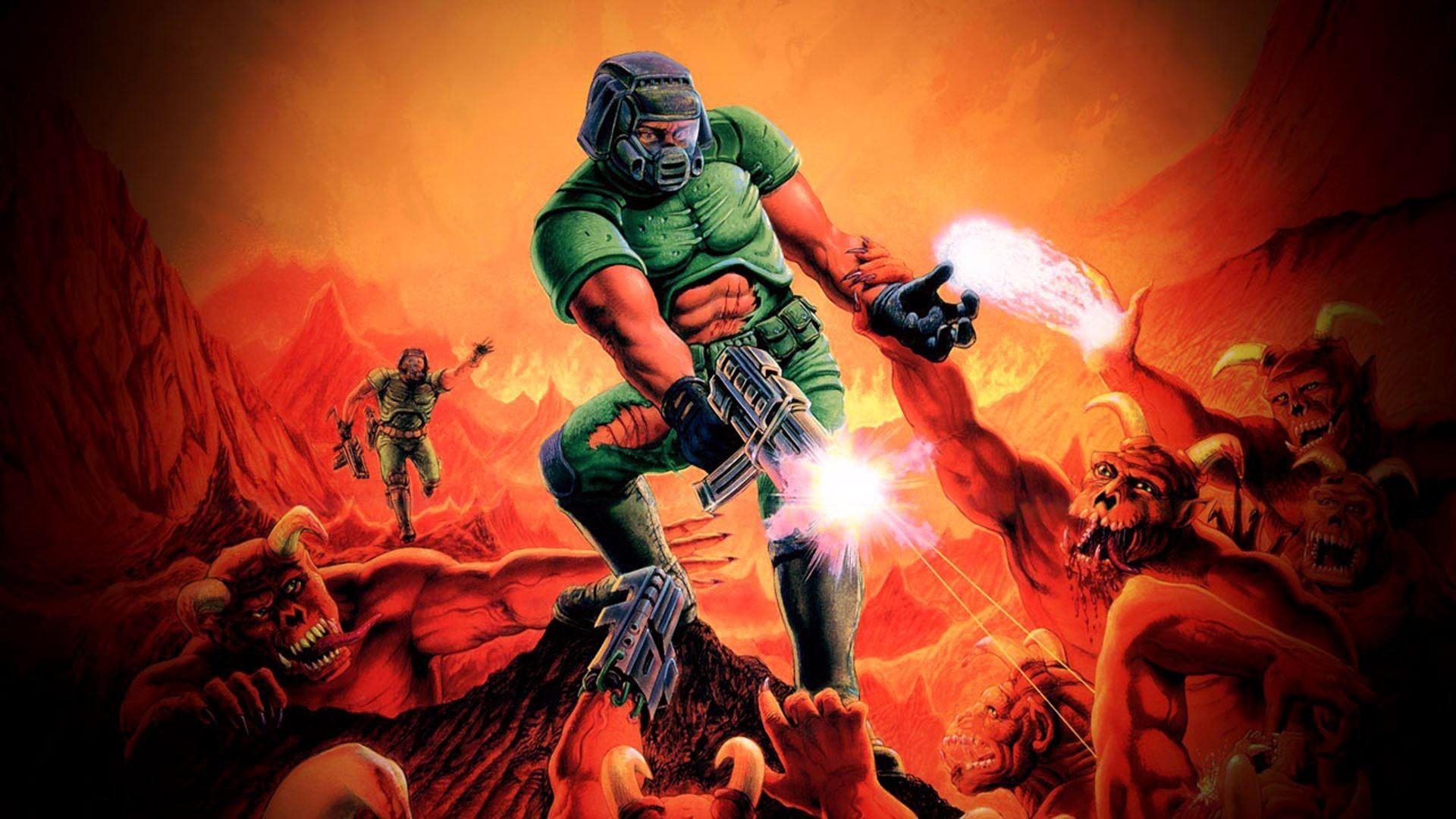
DOOM, originally released by id Software in 1993, and its later incarnation DOOM 64 for Nintendo 64 in 1997 (which was re-released on modern platforms including Nintendo Switch in 2020), are built on rendering approaches that assume flexible framebuffer workflows.
By contrast, the Neo Geo arcade and home cartridge hardware is sprite- and tile-based and does not use a conventional framebuffer; all screen output is composed from hardware sprites and text layers.
MVG has repeatedly emphasized that this architectural difference is the central obstacle to porting a full DOOM engine to Neo Geo.
What changed: three community projects
MVG’s updated video spotlights three independent projects that have emerged since his original analysis.
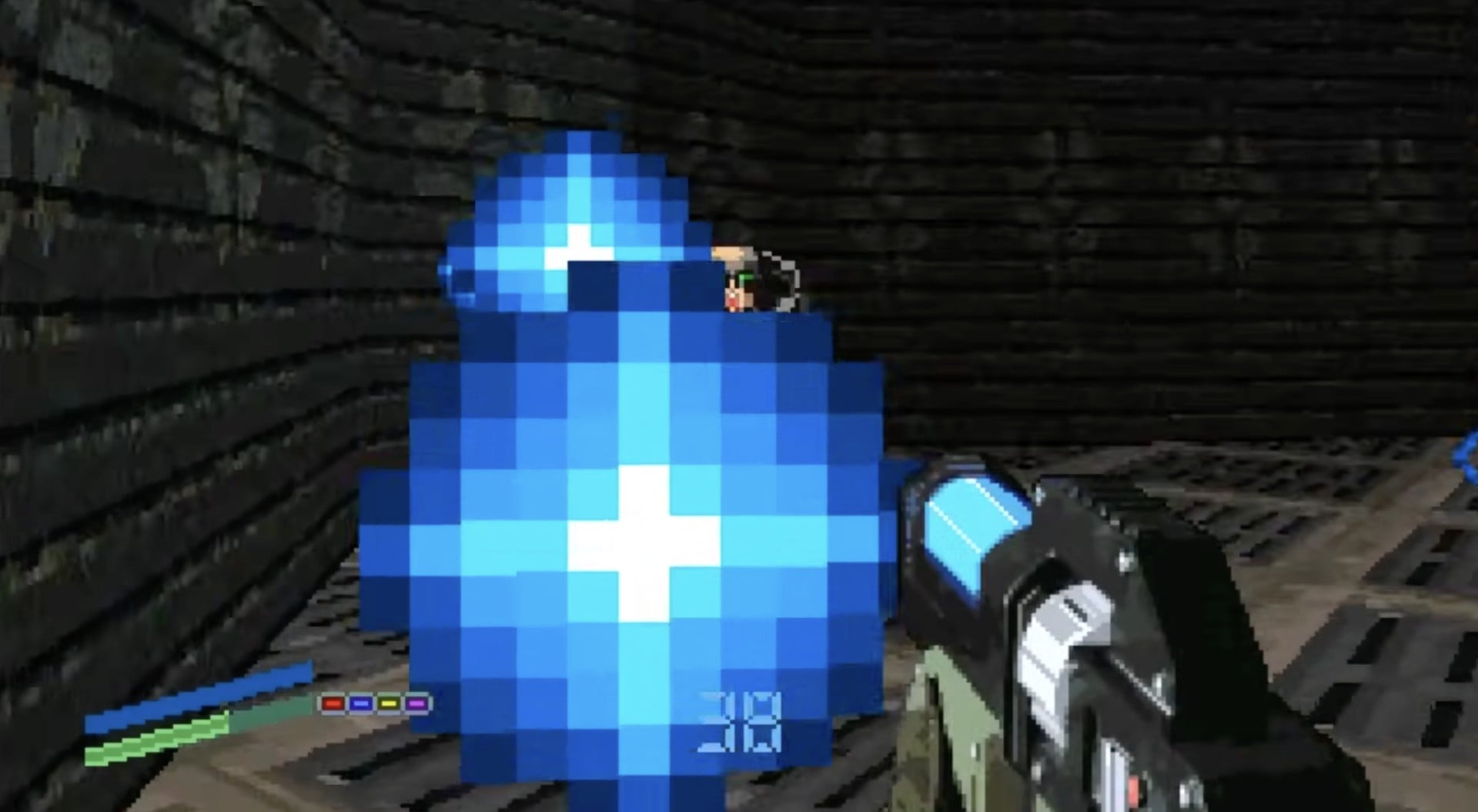
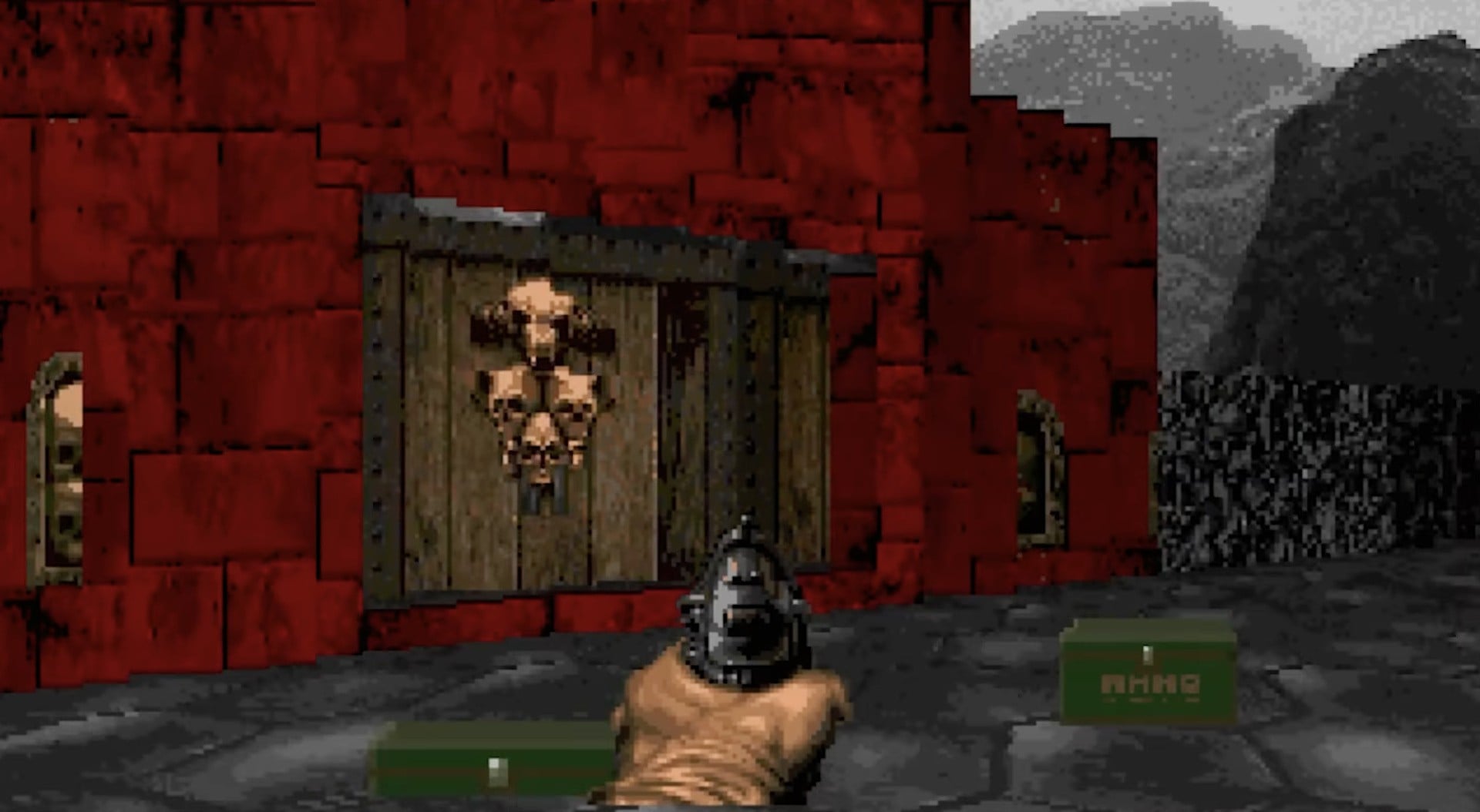
He describes one contribution from Frenkels as an effort that squeezes genuine BSP (binary space partitioning) map geometry and portions of DOOM’s rendering logic into the constraints of Neo Geo hardware while leveraging the console’s fixed/text layer as a tiny pseudo-framebuffer.
Another entry from Sabino takes a different route, building a micro-framebuffer out of sprites rather than reusing the fixed layer; this approach aims for a less blocky look at the cost of greater performance overhead.
A third project, Retro Port’s DOOM Neo Geo, uses a new renderer called Vslice that merges favorable aspects of raycaster designs with true BSP traversal, preserving the Neo Geo’s hardware scaler and avoiding per-pixel CPU work.
Paraphrased commentary from MVG
MVG told viewers that when he first analyzed the problem, he emphasized the gap between raycasting techniques and a full DOOM engine, noting that raycasters are limited to grid-aligned spaces while DOOM supports arbitrary wall angles, varying floor heights, slopes, stairs and sector-based geometry.
He now says that the recent community experiments have provided alternative techniques that make a technically faithful DOOM-style experience on Neo Geo appear feasible, even if none of the projects are finished or ready for release.
What this means for Neo Geo homebrew
All three projects remain works in progress and MVG cautions that none will ship imminently.
Nonetheless, the demonstrations represent meaningful technical progress for Neo Geo homebrew and hardware-aware rendering on a platform that has long been considered ill-suited to FPS engines.
For fans of retro development and preservation, the updates are a concrete sign of how community effort and clever engineering can push legacy consoles in unexpected directions.
Modern Vintage Gamer (MVG), the retro YouTuber and developer with roughly 932,000 subscribers, has updated his ongoing challenge to the homebrew community to get DOOM running on SNK’s Neo Geo hardware.
In a follow-up video, MVG acknowledged that recent demonstrations from hobbyist developers have changed his view on what the platform can achieve and prompted him to say he was wrong to rule a DOOM-style port out entirely.
Background and technical context
DOOM, originally released by id Software in 1993, and its later incarnation DOOM 64 for Nintendo 64 in 1997 (which was re-released on modern platforms including Nintendo Switch in 2020), are built on rendering approaches that assume flexible framebuffer workflows.
By contrast, the Neo Geo arcade and home cartridge hardware is sprite- and tile-based and does not use a conventional framebuffer; all screen output is composed from hardware sprites and text layers.
MVG has repeatedly emphasized that this architectural difference is the central obstacle to porting a full DOOM engine to Neo Geo.
What changed: three community projects
MVG’s updated video spotlights three independent projects that have emerged since his original analysis.
He describes one contribution from Frenkels as an effort that squeezes genuine BSP (binary space partitioning) map geometry and portions of DOOM’s rendering logic into the constraints of Neo Geo hardware while leveraging the console’s fixed/text layer as a tiny pseudo-framebuffer.
Another entry from Sabino takes a different route, building a micro-framebuffer out of sprites rather than reusing the fixed layer; this approach aims for a less blocky look at the cost of greater performance overhead.
A third project, Retro Port’s DOOM Neo Geo, uses a new renderer called Vslice that merges favorable aspects of raycaster designs with true BSP traversal, preserving the Neo Geo’s hardware scaler and avoiding per-pixel CPU work.
Paraphrased commentary from MVG
MVG told viewers that when he first analyzed the problem, he emphasized the gap between raycasting techniques and a full DOOM engine, noting that raycasters are limited to grid-aligned spaces while DOOM supports arbitrary wall angles, varying floor heights, slopes, stairs and sector-based geometry.
He now says that the recent community experiments have provided alternative techniques that make a technically faithful DOOM-style experience on Neo Geo appear feasible, even if none of the projects are finished or ready for release.
What this means for Neo Geo homebrew
All three projects remain works in progress and MVG cautions that none will ship imminently.
Nonetheless, the demonstrations represent meaningful technical progress for Neo Geo homebrew and hardware-aware rendering on a platform that has long been considered ill-suited to FPS engines.
For fans of retro development and preservation, the updates are a concrete sign of how community effort and clever engineering can push legacy consoles in unexpected directions.