John Romero, co-founder of id Software and a principal architect of early first-person shooters, has publicly rebutted claims by level designer Sandy Petersen that piracy was a primary force in "gutting" id Software.
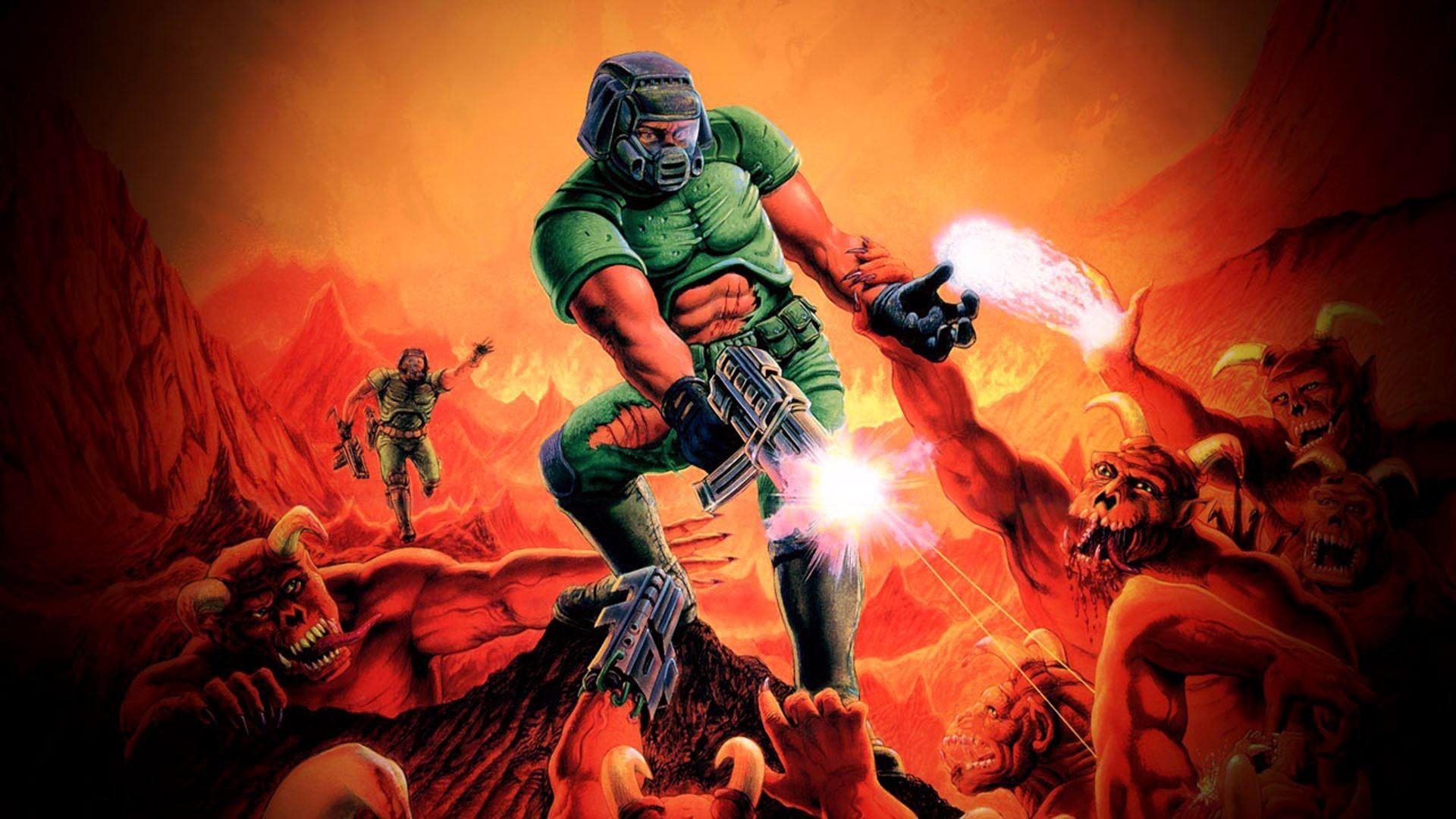
The exchange revisits the 1990s era when DOOM (1993) and later Quake (1996) helped define PC gaming and when distribution models such as shareware played an outsized role in how games reached players.
Petersen responded to an online prompt about game piracy by bluntly telling pirates to "go f**k themselves," and asserting that 70–90% of DOOM players pirated the game.
He argued that piracy helped sink companies including Atari, Amiga-era publishers, Cinemaware, and 3D Realms, and that unpaid distribution contributed to staff departures at id Software after Quake.
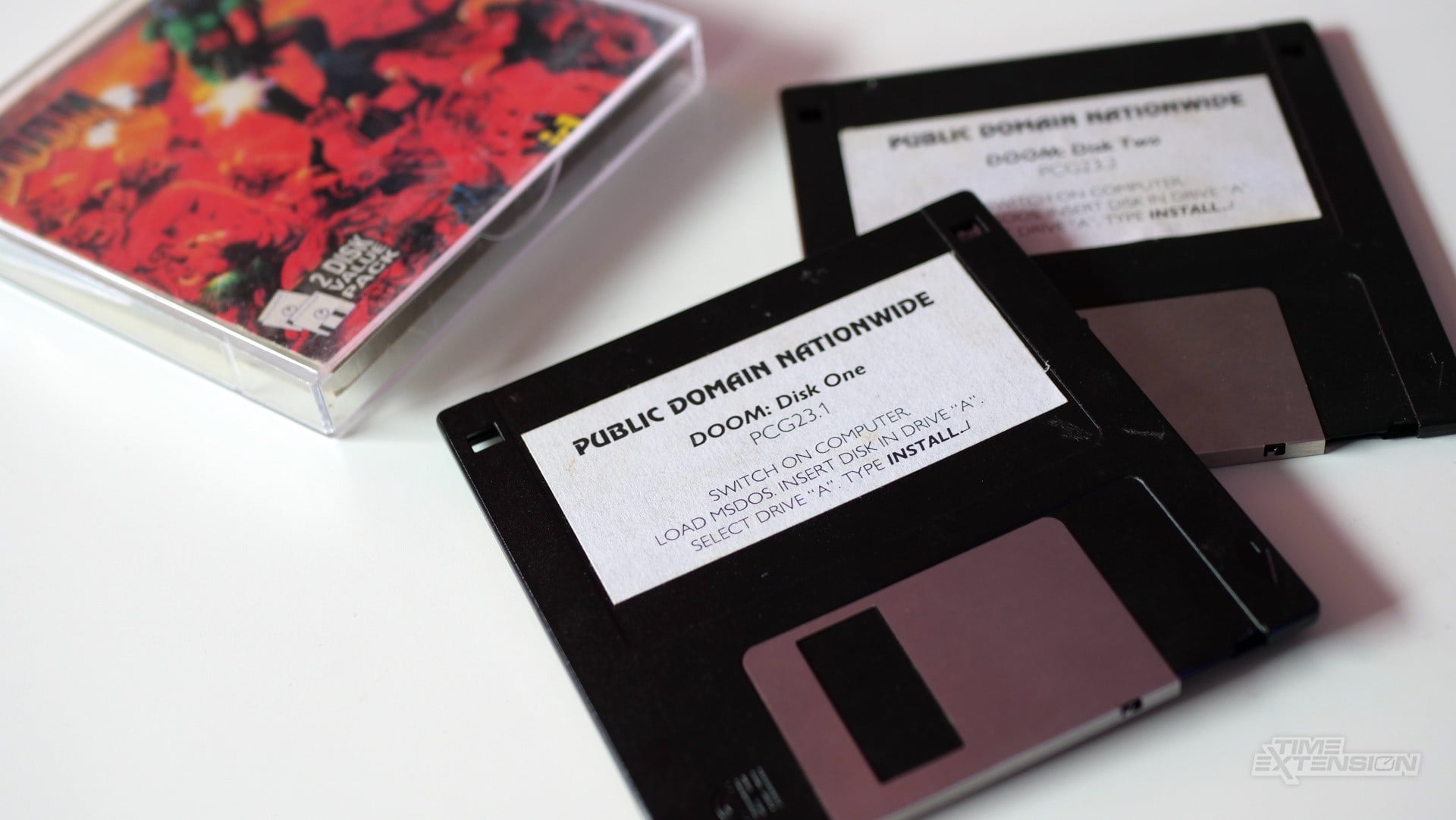
Romero pushed back with a measured, historical correction: he noted that DOOM’s first episode was intentionally released as shareware and designed to be freely copied and distributed, and that this unpaid reach was a deliberate marketing strategy rather than simple piracy.
Romero pointed to the scale of DOOM’s reach in the mid-1990s, citing roughly 20 million shareware installs alongside more than 2 million paid copies sold, and argued that many of those users were playing the free episode exactly as intended rather than acting as pirates.
In journalistic terms, Romero emphasized that conflating legal shareware distribution, unpaid audience reach, and outright piracy produces misleading conclusions about causation.
He acknowledged that piracy of the registered DOOM game did occur and likely cost sales, but he rejected the idea that piracy alone explained id Software’s internal challenges or Quake-era personnel changes.
Romero stressed that id Software continues to exist and make games, pointing to the studio’s long-term survival and ongoing work as evidence that the company was not "gutted" solely by piracy.
The exchange is part of a recurring pattern in which Romero has publicly corrected Petersen’s historical claims about DOOM development.
PC Gamer has cataloged several previous instances where Romero addressed disputed assertions.
The debate highlights how 1990s distribution practices — from shareware on PC to later re-releases and ports — complicate modern conversations about piracy, monetization, and how classic franchises reach modern platforms, including when retro titles appear on storefronts such as the Nintendo eShop or hardware like Nintendo Switch.
As the industry continues to examine historical lessons around distribution and revenue, the Romero–Petersen exchange underscores the importance of distinguishing promotional models from outright piracy when assessing the commercial impact of classic PC-era games.
The exchange revisits the 1990s era when DOOM (1993) and later Quake (1996) helped define PC gaming and when distribution models such as shareware played an outsized role in how games reached players.
Petersen responded to an online prompt about game piracy by bluntly telling pirates to "go f**k themselves," and asserting that 70–90% of DOOM players pirated the game.
He argued that piracy helped sink companies including Atari, Amiga-era publishers, Cinemaware, and 3D Realms, and that unpaid distribution contributed to staff departures at id Software after Quake.
Romero pushed back with a measured, historical correction: he noted that DOOM’s first episode was intentionally released as shareware and designed to be freely copied and distributed, and that this unpaid reach was a deliberate marketing strategy rather than simple piracy.
Romero pointed to the scale of DOOM’s reach in the mid-1990s, citing roughly 20 million shareware installs alongside more than 2 million paid copies sold, and argued that many of those users were playing the free episode exactly as intended rather than acting as pirates.
In journalistic terms, Romero emphasized that conflating legal shareware distribution, unpaid audience reach, and outright piracy produces misleading conclusions about causation.
He acknowledged that piracy of the registered DOOM game did occur and likely cost sales, but he rejected the idea that piracy alone explained id Software’s internal challenges or Quake-era personnel changes.
Romero stressed that id Software continues to exist and make games, pointing to the studio’s long-term survival and ongoing work as evidence that the company was not "gutted" solely by piracy.
The exchange is part of a recurring pattern in which Romero has publicly corrected Petersen’s historical claims about DOOM development.
PC Gamer has cataloged several previous instances where Romero addressed disputed assertions.
The debate highlights how 1990s distribution practices — from shareware on PC to later re-releases and ports — complicate modern conversations about piracy, monetization, and how classic franchises reach modern platforms, including when retro titles appear on storefronts such as the Nintendo eShop or hardware like Nintendo Switch.
As the industry continues to examine historical lessons around distribution and revenue, the Romero–Petersen exchange underscores the importance of distinguishing promotional models from outright piracy when assessing the commercial impact of classic PC-era games.