
FAKKU has released the first entry in FairyTale's Nightmare Collection on Steam, marking the first official English localization of the 1992 PC-98 horror title Dead of the Brain.
The move brings a controversial slice of 1990s Japanese PC-98 horror to a wider Western audience and positions FAKKU as a key publisher for retro Japanese PC releases.
Background and context
Dead of the Brain originally launched for the NEC PC-9800 series in 1992.
Developed by FairyTale, the title followed the studio's pivot from adult-oriented eroge to horror point-and-click adventures.
FairyTale produced Dead of the Brain as the first major entry in that shift, with sequels Dead of the Brain 2 and Marine Philt arriving in 1993.
All three titles later received Japanese ports to platforms including the PC Engine CD and the MSX2.
Historical controversy and regulatory fallout
Reports from the era describe a 1991 incident in which a high-school student stole FairyTale's 1991 release Saori: The House of Beautiful Girls from store shelves.
That theft prompted a broader investigation that culminated in the arrest of FairyTale's president on obscenity charges.
The scandal is widely linked to the formation of the Ethics Organization of Computer Software, commonly referenced as EOCS, which affected content regulation for games and software in Japan.
Game design and influences
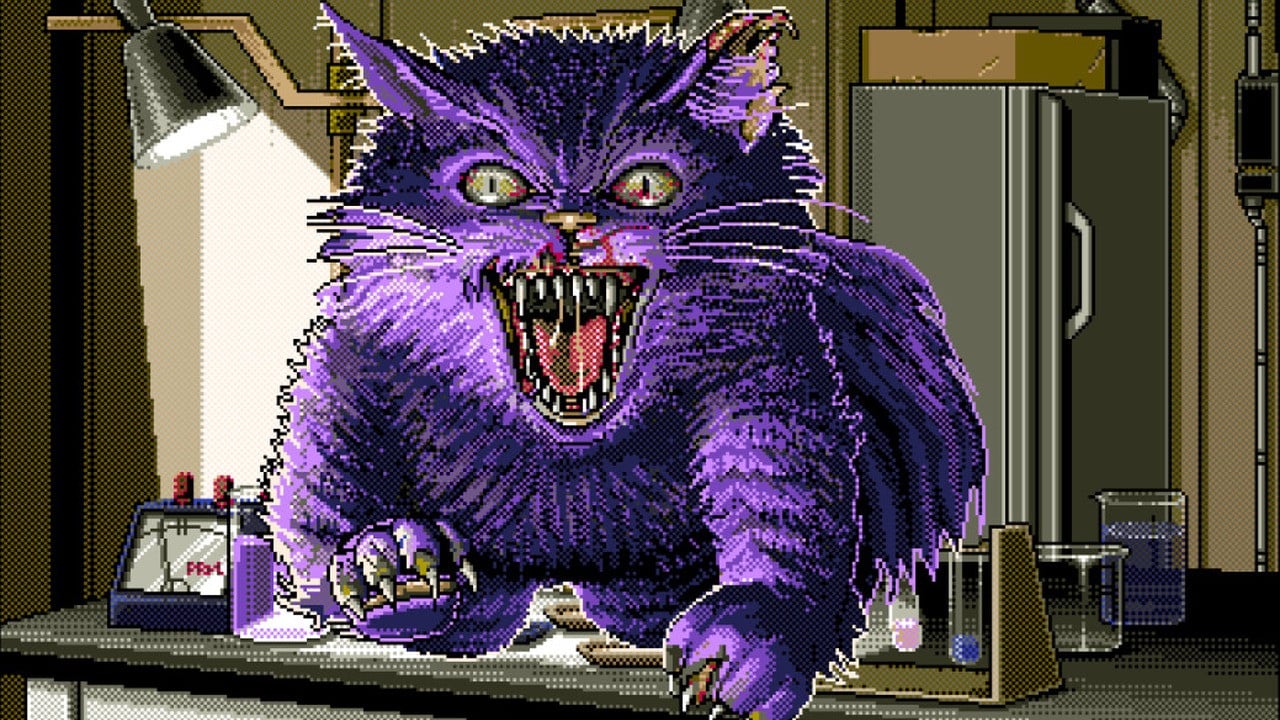
Dead of the Brain combines point-and-click adventure mechanics with visual novel elements and early quick-time event style sequences.
Its narrative centers on Dr. Cooger, a scientist whose reanimation serum produces a brain-eating outbreak; players control his friend Cole as the city succumbs to zombies.
The title evokes the splatter and pacing of contemporary American horror films and places a heavy emphasis on gory imagery within a windowed adventure format.
Modern release and what comes next
FAKKU's Steam release includes the first official English translation of Dead of the Brain and packages it as part of the Nightmare Collection.
FAKKU has also announced plans to localize additional PC-98 era titles for Western audiences, including Dengeki Nurse (1992), Necronomicon (1992), and Dracula Hakushaku (1992), though no release dates have been confirmed.
These Steam releases present the most accessible route yet for players and preservationists to examine FairyTale's 1990s catalog.
For readers tracking classic Japanese PC releases, the Nightmare Collection release is an important milestone in bringing PC-98 horror and the legacy of FairyTale into English-language gaming discourse.
The move brings a controversial slice of 1990s Japanese PC-98 horror to a wider Western audience and positions FAKKU as a key publisher for retro Japanese PC releases.
Background and context
Dead of the Brain originally launched for the NEC PC-9800 series in 1992.
Developed by FairyTale, the title followed the studio's pivot from adult-oriented eroge to horror point-and-click adventures.
FairyTale produced Dead of the Brain as the first major entry in that shift, with sequels Dead of the Brain 2 and Marine Philt arriving in 1993.
All three titles later received Japanese ports to platforms including the PC Engine CD and the MSX2.
Historical controversy and regulatory fallout
Reports from the era describe a 1991 incident in which a high-school student stole FairyTale's 1991 release Saori: The House of Beautiful Girls from store shelves.
That theft prompted a broader investigation that culminated in the arrest of FairyTale's president on obscenity charges.
The scandal is widely linked to the formation of the Ethics Organization of Computer Software, commonly referenced as EOCS, which affected content regulation for games and software in Japan.
Game design and influences
Dead of the Brain combines point-and-click adventure mechanics with visual novel elements and early quick-time event style sequences.
Its narrative centers on Dr. Cooger, a scientist whose reanimation serum produces a brain-eating outbreak; players control his friend Cole as the city succumbs to zombies.
The title evokes the splatter and pacing of contemporary American horror films and places a heavy emphasis on gory imagery within a windowed adventure format.
Modern release and what comes next
FAKKU's Steam release includes the first official English translation of Dead of the Brain and packages it as part of the Nightmare Collection.
FAKKU has also announced plans to localize additional PC-98 era titles for Western audiences, including Dengeki Nurse (1992), Necronomicon (1992), and Dracula Hakushaku (1992), though no release dates have been confirmed.
These Steam releases present the most accessible route yet for players and preservationists to examine FairyTale's 1990s catalog.
For readers tracking classic Japanese PC releases, the Nightmare Collection release is an important milestone in bringing PC-98 horror and the legacy of FairyTale into English-language gaming discourse.