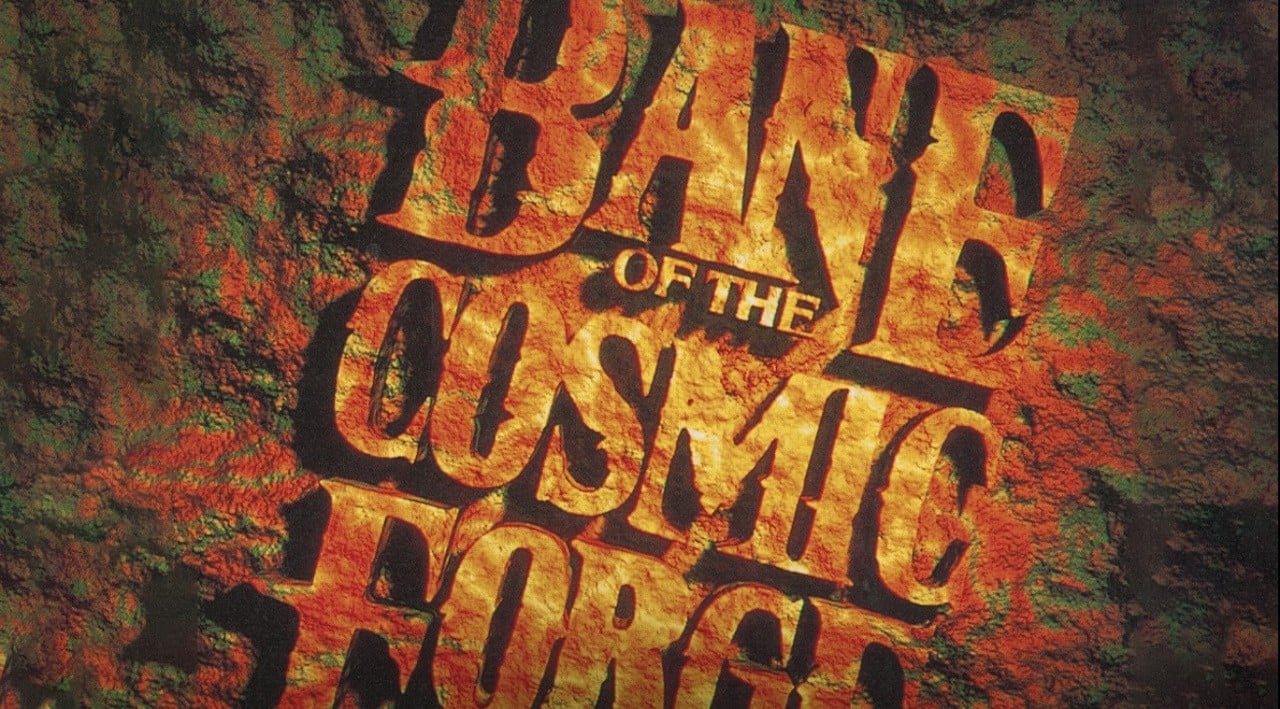
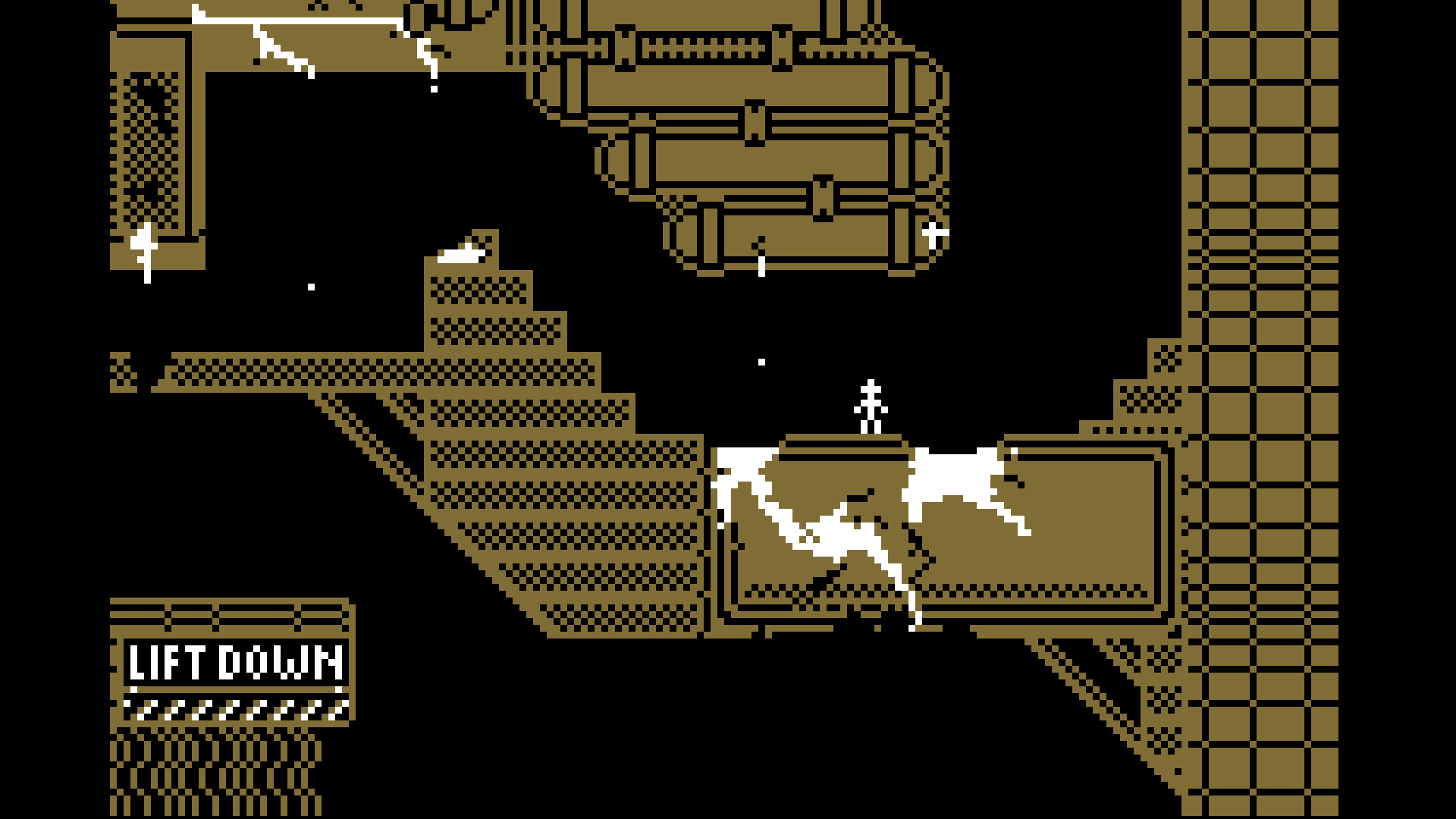
D4 Enterprise and Drecom confirmed a Steam rerelease of the Super Famicom version of Wizardry VI, with the title slated to return to storefronts next year.
The announcement, made as part of this year’s Wizardry Day commemorations, also included news that several Wizardry albums are now available on global streaming platforms.
A Steam product page is already live for players who want to add the Super Famicom port to their wishlist.
Originally released in 1990 by Sir-Tech, Wizardry VI: Bane of the Cosmic Forge debuted on DOS, Mac and Amiga and marked a shift in the series’ creative credits: David Bradley is listed as the sole designer for the title.
The game reached Japanese computer audiences in 1991 and later received a Super Famicom port in 1995 published by Game Studio and ASCII.
A Sega Saturn version followed in 1996, but both console releases remained Japan-exclusive.
In journalistic terms, the publishers clarified that the rerelease will include only Japanese-language options; no English localization was announced alongside the Steam listing.
That statement aligns with the Super Famicom build’s original localization history, which never received an official English console release.
The Super Famicom edition’s Steam listing promotes the game’s original first-person dungeon exploration and turn-based combat, noting the port preserves the atmosphere of classic computer RPGs.
The official product description summarizes the story setup around the Cosmic Forge, a pen that makes written words reality, and the conflict that sets the player’s adventure in motion.
For context, Wizardry VI sits within a franchise that helped define Western computer RPGs in the 1980s and 1990s.
Series co-creator Andrew Greenberg departed the core Wizardry team after earlier entries and later co-founded Masterplay Publishing, a company associated with the Star Saga board game series.
Players interested in the rerelease can visit the Steam page to wishlist the Super Famicom version ahead of its release.
D4 Enterprise and Drecom’s announcement during Wizardry Day serves both as a celebration of the franchise’s history and as an opportunity for preservation-minded releases of classic ports on modern PC platforms.
The announcement, made as part of this year’s Wizardry Day commemorations, also included news that several Wizardry albums are now available on global streaming platforms.
A Steam product page is already live for players who want to add the Super Famicom port to their wishlist.
Originally released in 1990 by Sir-Tech, Wizardry VI: Bane of the Cosmic Forge debuted on DOS, Mac and Amiga and marked a shift in the series’ creative credits: David Bradley is listed as the sole designer for the title.
The game reached Japanese computer audiences in 1991 and later received a Super Famicom port in 1995 published by Game Studio and ASCII.
A Sega Saturn version followed in 1996, but both console releases remained Japan-exclusive.
In journalistic terms, the publishers clarified that the rerelease will include only Japanese-language options; no English localization was announced alongside the Steam listing.
That statement aligns with the Super Famicom build’s original localization history, which never received an official English console release.
The Super Famicom edition’s Steam listing promotes the game’s original first-person dungeon exploration and turn-based combat, noting the port preserves the atmosphere of classic computer RPGs.
The official product description summarizes the story setup around the Cosmic Forge, a pen that makes written words reality, and the conflict that sets the player’s adventure in motion.
For context, Wizardry VI sits within a franchise that helped define Western computer RPGs in the 1980s and 1990s.
Series co-creator Andrew Greenberg departed the core Wizardry team after earlier entries and later co-founded Masterplay Publishing, a company associated with the Star Saga board game series.
Players interested in the rerelease can visit the Steam page to wishlist the Super Famicom version ahead of its release.
D4 Enterprise and Drecom’s announcement during Wizardry Day serves both as a celebration of the franchise’s history and as an opportunity for preservation-minded releases of classic ports on modern PC platforms.