
WATA Issues Statement After Grading Reproduction Copy of Castlevania: Dracula X Rondo of Blood
The market for graded video games has been growing rapidly, but controversies continue to surround the practices of grading companies and the authenticity of high-value collectibles.
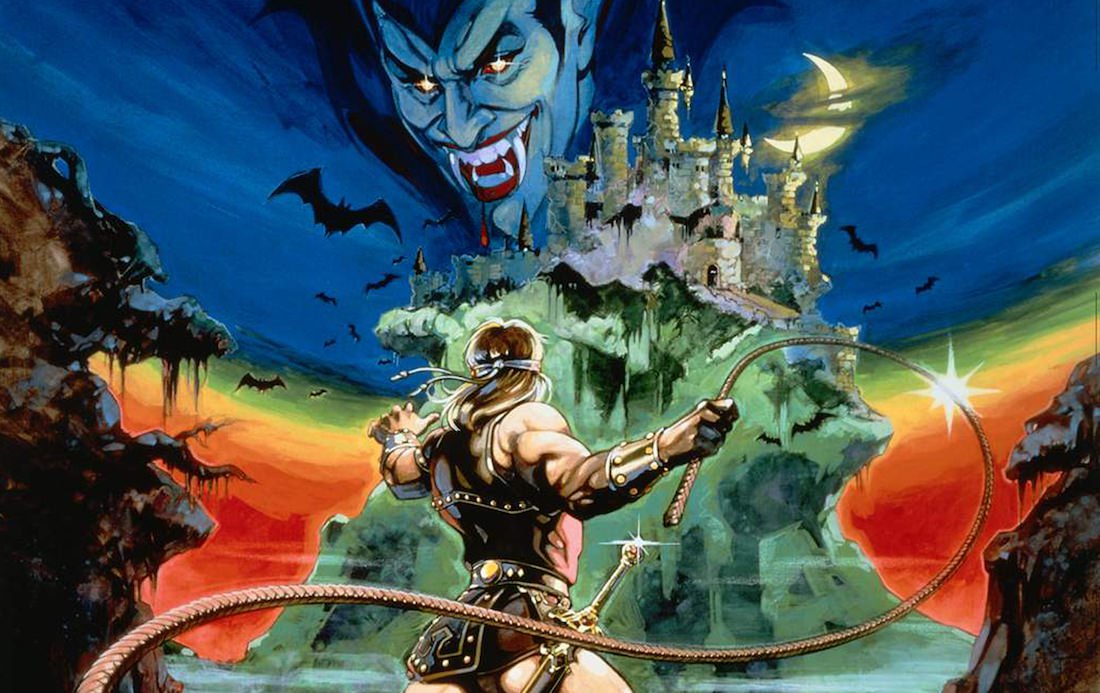
One recent incident highlights these concerns, as WATA, a leading video game grading organization, has issued a public statement following its grading of a reproduction copy of Castlevania: Dracula X Rondo of Blood—a beloved title from Konami's acclaimed Castlevania series.
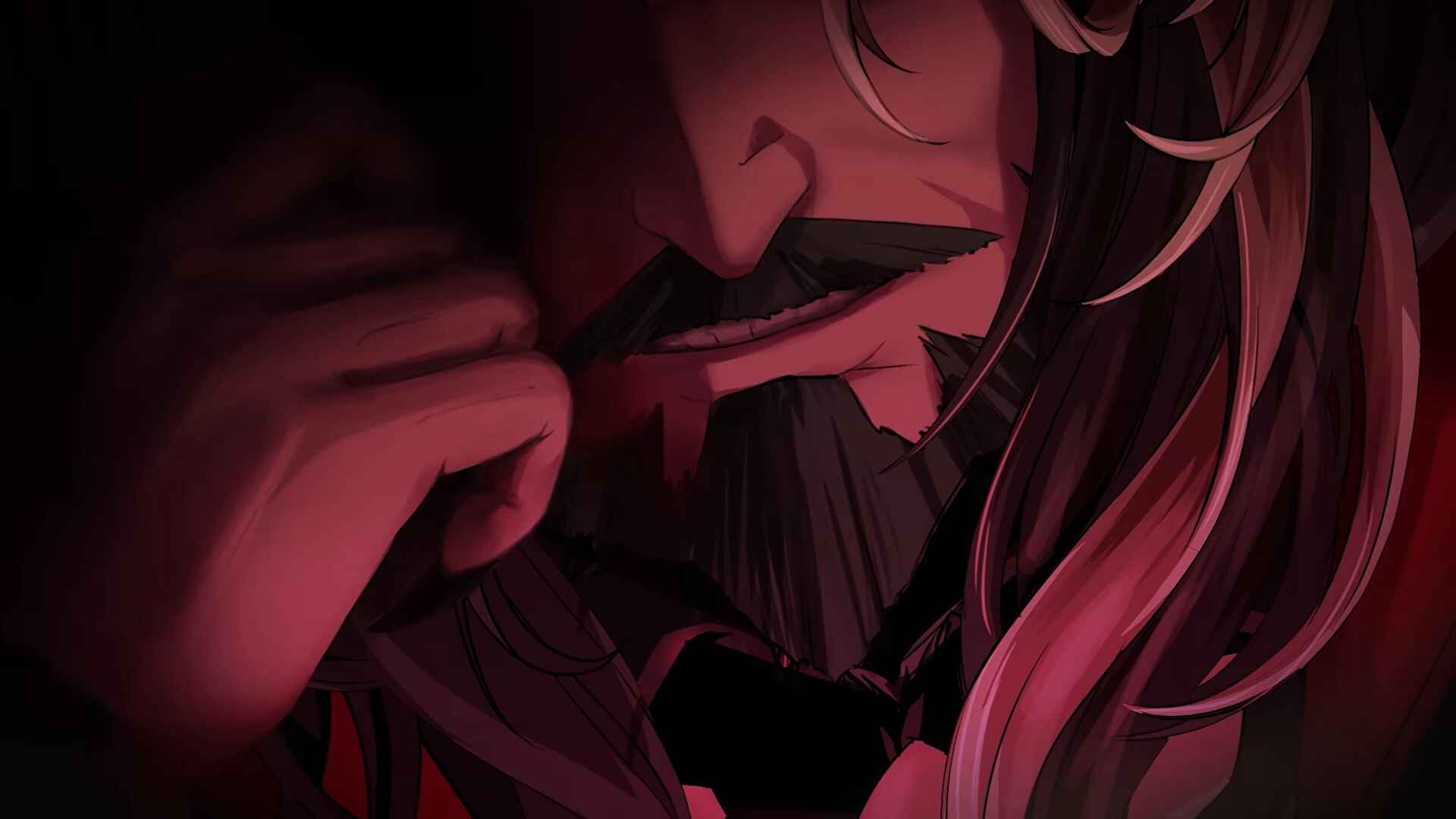
Originally released in 1993 for the PC Engine CD-ROM in Japan, Castlevania: Dracula X Rondo of Blood has long stood as a legendary installment for devoted fans and collectors, owing to its scarcity and cult status.
The game was not officially released outside of Japan until years later, making legitimate, sealed copies extremely valuable on the market.
The title has since been made available in the west via digital releases, including the Wii Virtual Console, the PSP-exclusive Dracula X Chronicles, and as part of the Castlevania Requiem collection on the PlayStation 4.
The latest controversy erupted after a sealed copy of Dracula X: Rondo of Blood surfaced on eBay with a price tag of nearly $4,000 USD.
While the listing touted the game as a 1993 original and highlighted a '9.2 Holy Grail Grade / Mint grade' awarded by WATA, further investigation revealed the copy in question was not an authentic original, but a modern reproduction produced by PCEWorks in 2016.
The key detail—a small plastic dimple on the CD jewel case—differentiated it from true original releases, exposing the mistake to collectors and industry observers.
After reports of the issue emerged, the auction listing was swiftly removed from eBay.
WATA responded by releasing a statement emphasizing its commitment to maintaining high standards in the grading process.
The company explained that it was actively seeking to retrieve the graded item in order to void its certification, thereby upholding its promise of fair and accurate grading.
WATA reinforced its dedication to accuracy, noting that maintaining the trust of both collectors and the wider video game community is its highest priority.
This incident underscores ongoing debates about authenticity, transparency, and the responsibilities of grading organizations in the world of retro game collecting.
With prominent franchises like Castlevania and rare platforms like the PC Engine at the center of these stories, both collectors and industry professionals continue to call for enhanced scrutiny and communication from third-party graders like WATA.
As the popularity of video game collecting endures—particularly through digital storefronts like the Nintendo eShop and retro compilations—maintaining trust and authenticity in the market remains vital to preserving gaming history.
For fans, collectors, and industry experts alike, this episode serves as a reminder to carefully evaluate listings, verify product authenticity, and demand accountability from all organizations involved in the process of grading and selling retro games.
The market for graded video games has been growing rapidly, but controversies continue to surround the practices of grading companies and the authenticity of high-value collectibles.
One recent incident highlights these concerns, as WATA, a leading video game grading organization, has issued a public statement following its grading of a reproduction copy of Castlevania: Dracula X Rondo of Blood—a beloved title from Konami's acclaimed Castlevania series.
Originally released in 1993 for the PC Engine CD-ROM in Japan, Castlevania: Dracula X Rondo of Blood has long stood as a legendary installment for devoted fans and collectors, owing to its scarcity and cult status.
The game was not officially released outside of Japan until years later, making legitimate, sealed copies extremely valuable on the market.
The title has since been made available in the west via digital releases, including the Wii Virtual Console, the PSP-exclusive Dracula X Chronicles, and as part of the Castlevania Requiem collection on the PlayStation 4.
The latest controversy erupted after a sealed copy of Dracula X: Rondo of Blood surfaced on eBay with a price tag of nearly $4,000 USD.
While the listing touted the game as a 1993 original and highlighted a '9.2 Holy Grail Grade / Mint grade' awarded by WATA, further investigation revealed the copy in question was not an authentic original, but a modern reproduction produced by PCEWorks in 2016.
The key detail—a small plastic dimple on the CD jewel case—differentiated it from true original releases, exposing the mistake to collectors and industry observers.
After reports of the issue emerged, the auction listing was swiftly removed from eBay.
WATA responded by releasing a statement emphasizing its commitment to maintaining high standards in the grading process.
The company explained that it was actively seeking to retrieve the graded item in order to void its certification, thereby upholding its promise of fair and accurate grading.
WATA reinforced its dedication to accuracy, noting that maintaining the trust of both collectors and the wider video game community is its highest priority.
This incident underscores ongoing debates about authenticity, transparency, and the responsibilities of grading organizations in the world of retro game collecting.
With prominent franchises like Castlevania and rare platforms like the PC Engine at the center of these stories, both collectors and industry professionals continue to call for enhanced scrutiny and communication from third-party graders like WATA.
As the popularity of video game collecting endures—particularly through digital storefronts like the Nintendo eShop and retro compilations—maintaining trust and authenticity in the market remains vital to preserving gaming history.
For fans, collectors, and industry experts alike, this episode serves as a reminder to carefully evaluate listings, verify product authenticity, and demand accountability from all organizations involved in the process of grading and selling retro games.