City Hunter Nintendo Switch 2 Review: A Retro Anime Classic Returns for Hardcore Fans
City Hunter lands on Nintendo Switch 2, reviving a cult-favorite slice of anime gaming history for a new generation of players.
Originally debuting in the early 1990s on the PC Engine exclusively in Japan, City Hunter is a side-scrolling run-and-gun platformer rooted deeply in the nostalgia of arcade action and anime storytelling.
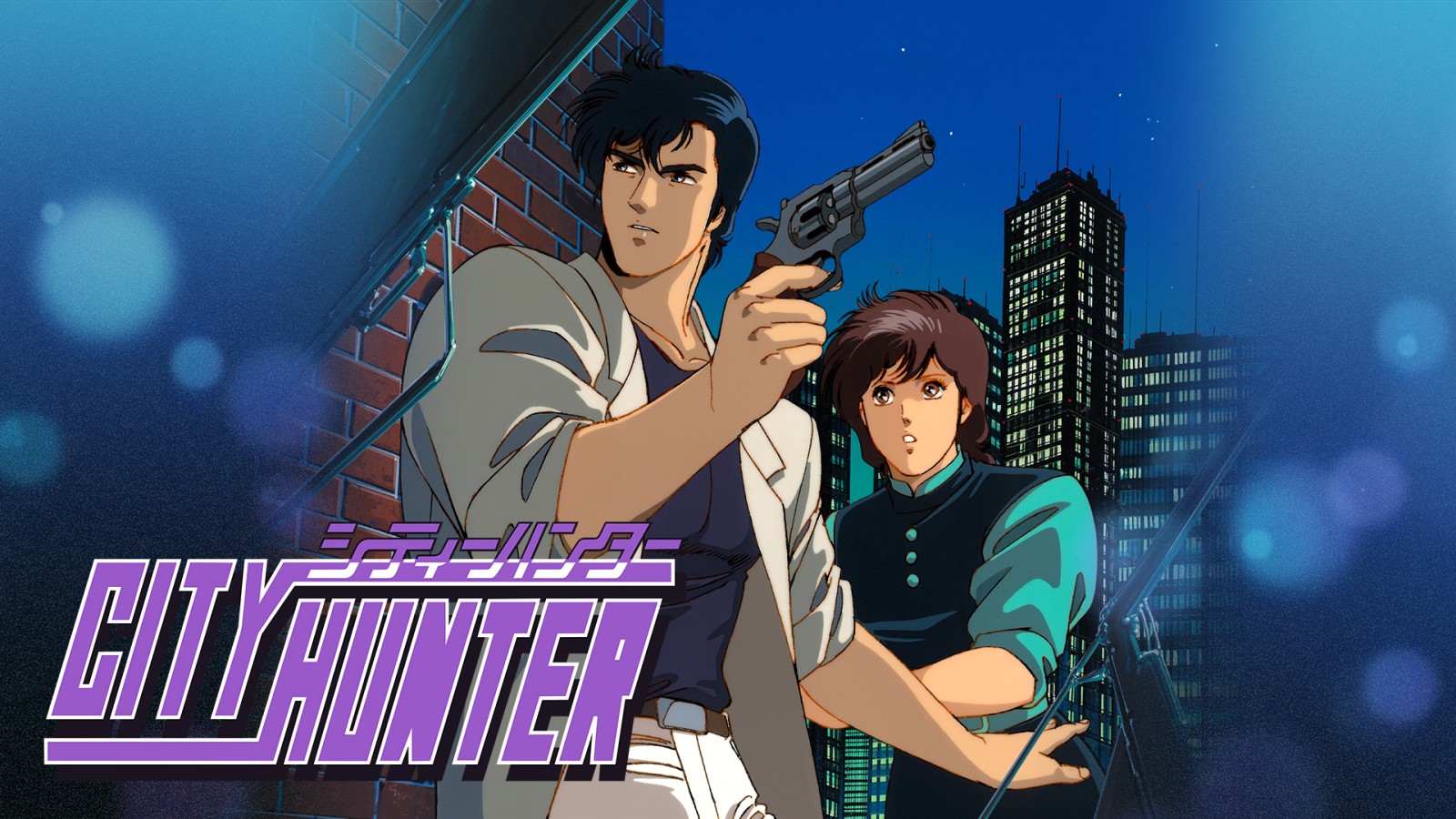
Developed as a direct adaptation of the renowned City Hunter anime and manga, the game follows the trademark escapades of Ryo Saeba, a wisecracking private detective who combines charm with firepower while unravelling mysteries across Tokyo.
For fans of classic gaming, City Hunter brings both the allure and limitations of its era to the present day.
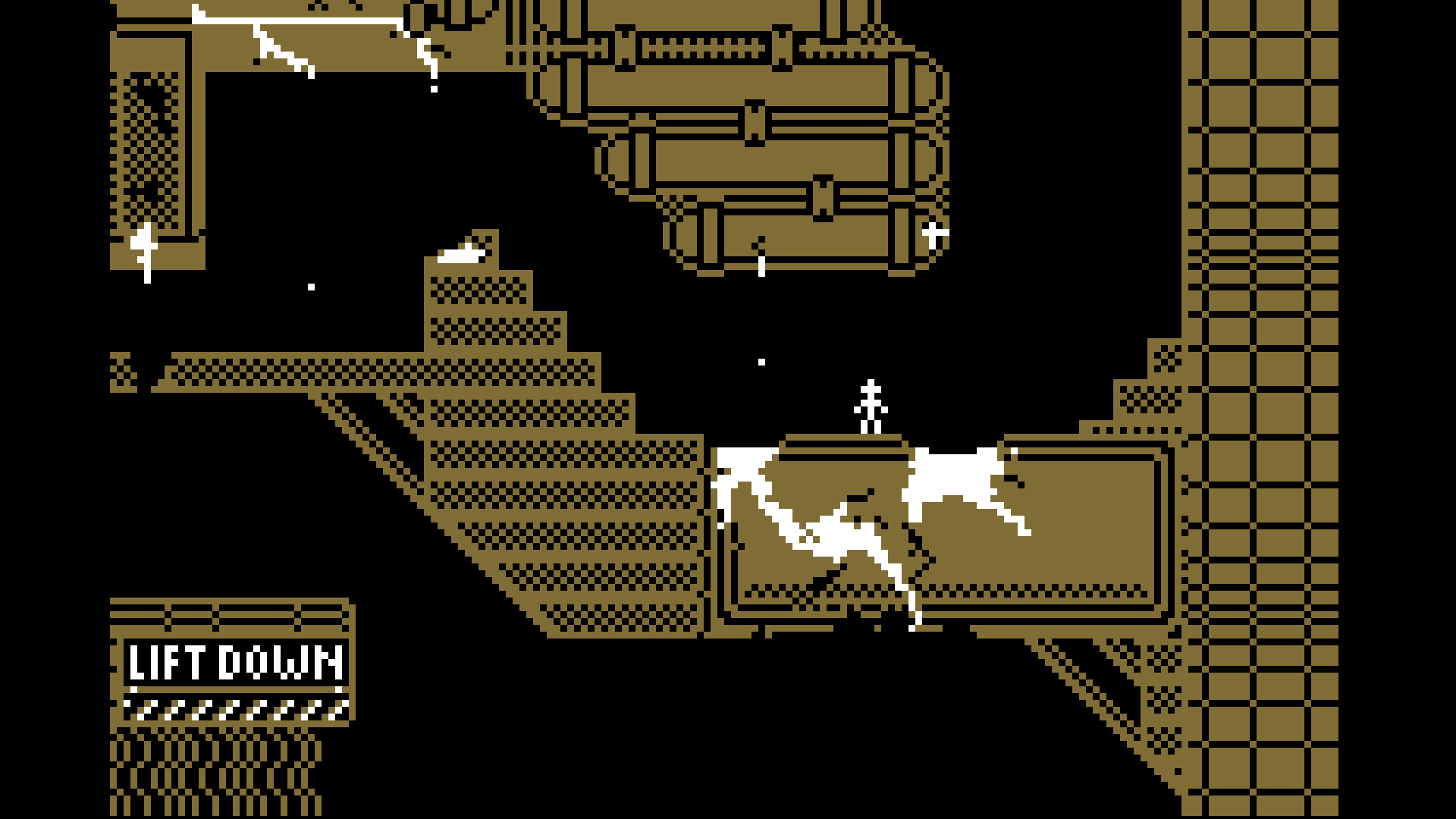
The core gameplay remains faithful to the original, featuring left-to-right platforming, vertical ladder climbing, and frantic shootouts against waves of enemy guards.
Set across three succinct chapters, players must guide Ryo through labyrinthine environments and boss encounters as he battles a nefarious megacorporation—a storyline lifted straight from its manga source material.
Despite its genre appeal, City Hunter's antiquated design is evident.
While NES and SNES classics continue to thrive on services like Nintendo Switch Online, this title stands as an average entry from its epoch, offering a runtime of just one to two hours.
In a press release issued alongside the Nintendo Switch 2 launch, the publisher emphasized, “We’ve preserved the authentic experience while introducing new features to celebrate this anime classic.” These enhancements include an image gallery, a music player, multiple gameplay modes—including the original release, a refined edition with upgraded AI, and an increased difficulty setting—and the choice to apply classic CRT video filters.
Notably, the addition of a rewind feature helps mitigate frustrating instant-failure moments, making this remaster the definitive way for dedicated fans to revisit the experience.
However, the game struggles to transcend its dated mechanics.
The repetitive level structure, lack of environment variety, and enemy spawning quirks—such as unavoidable ambushes at door exits—diminish the thrill of the run-and-gun formula.
Humorous asides and fan-service nods to the anime persist, yet they may appeal primarily to those intimately familiar with the source material.
The absence of a map and bland level layouts can also disorient newcomers.
On the upside, players can access any chapter from the start, and each segment opens with context-setting cutscenes.
Unfortunately, abrupt boss resolutions and lack of narrative payoff leave the ending feeling unfinished.
While additional features and nostalgia-driven bonuses enhance this re-release, City Hunter on Nintendo Switch 2 remains a title best appreciated by long-time fans of the franchise and retro-obsessed collectors.
Its brevity and modest content offering may not justify the price tag for the broader Nintendo Switch audience.
Ultimately, City Hunter reclaims its place as a retro curiosity—an authentic yet underwhelming experience, now preserved for posterity on modern hardware.
For genre aficionados and anime loyalists, this remaster offers a polished portal to the 1990s, but for everyone else, it’s a reminder that not every relic of gaming history shines in the spotlight of today’s marketplace.
City Hunter lands on Nintendo Switch 2, reviving a cult-favorite slice of anime gaming history for a new generation of players.
Originally debuting in the early 1990s on the PC Engine exclusively in Japan, City Hunter is a side-scrolling run-and-gun platformer rooted deeply in the nostalgia of arcade action and anime storytelling.
Developed as a direct adaptation of the renowned City Hunter anime and manga, the game follows the trademark escapades of Ryo Saeba, a wisecracking private detective who combines charm with firepower while unravelling mysteries across Tokyo.
For fans of classic gaming, City Hunter brings both the allure and limitations of its era to the present day.
The core gameplay remains faithful to the original, featuring left-to-right platforming, vertical ladder climbing, and frantic shootouts against waves of enemy guards.
Set across three succinct chapters, players must guide Ryo through labyrinthine environments and boss encounters as he battles a nefarious megacorporation—a storyline lifted straight from its manga source material.
Despite its genre appeal, City Hunter's antiquated design is evident.
While NES and SNES classics continue to thrive on services like Nintendo Switch Online, this title stands as an average entry from its epoch, offering a runtime of just one to two hours.
In a press release issued alongside the Nintendo Switch 2 launch, the publisher emphasized, “We’ve preserved the authentic experience while introducing new features to celebrate this anime classic.” These enhancements include an image gallery, a music player, multiple gameplay modes—including the original release, a refined edition with upgraded AI, and an increased difficulty setting—and the choice to apply classic CRT video filters.
Notably, the addition of a rewind feature helps mitigate frustrating instant-failure moments, making this remaster the definitive way for dedicated fans to revisit the experience.
However, the game struggles to transcend its dated mechanics.
The repetitive level structure, lack of environment variety, and enemy spawning quirks—such as unavoidable ambushes at door exits—diminish the thrill of the run-and-gun formula.
Humorous asides and fan-service nods to the anime persist, yet they may appeal primarily to those intimately familiar with the source material.
The absence of a map and bland level layouts can also disorient newcomers.
On the upside, players can access any chapter from the start, and each segment opens with context-setting cutscenes.
Unfortunately, abrupt boss resolutions and lack of narrative payoff leave the ending feeling unfinished.
While additional features and nostalgia-driven bonuses enhance this re-release, City Hunter on Nintendo Switch 2 remains a title best appreciated by long-time fans of the franchise and retro-obsessed collectors.
Its brevity and modest content offering may not justify the price tag for the broader Nintendo Switch audience.
Ultimately, City Hunter reclaims its place as a retro curiosity—an authentic yet underwhelming experience, now preserved for posterity on modern hardware.
For genre aficionados and anime loyalists, this remaster offers a polished portal to the 1990s, but for everyone else, it’s a reminder that not every relic of gaming history shines in the spotlight of today’s marketplace.
