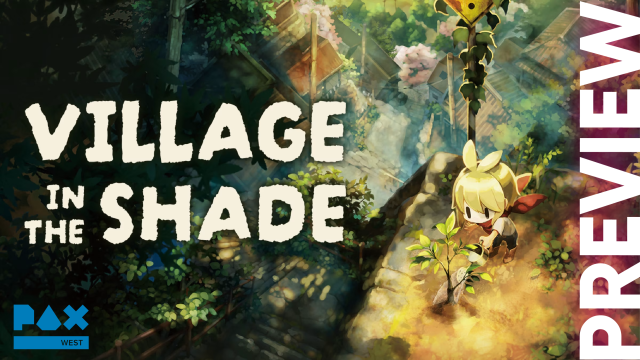


Village in the Shade lands on Nintendo Switch on October 27, 2026, developed by Nippon Ichi Software and published by NIS America.
Reviewed on Switch 2 hardware, the title stands out by fusing traditional farming-sim mechanics with supernatural horror elements from the team behind the Yomawari series.
That mix creates a distinct tone that will be immediately familiar to fans of atmospheric Japanese horror as well as to players who enjoy daily routines and incremental progression.
Overview and premise
Village in the Shade opens with a deceptively simple setup: your avatar is living on an established farm, chases a stray chicken, falls down a hole, and re-emerges ten years later without having aged.
The protagonist's disappearance becomes local folklore, and the nearby village of Kagatsu places you on a rundown plot of land with an onerous loan and a set of restrictive rules designed to keep the village's secrets hidden.
Critics and observers have summarized the game's narrative thrust succinctly: "The farming life is not a choice here so much as a fate bestowed upon the protagonist," reflecting the game's inversion of farm-sim tropes.
Gameplay: day chores, night dangers
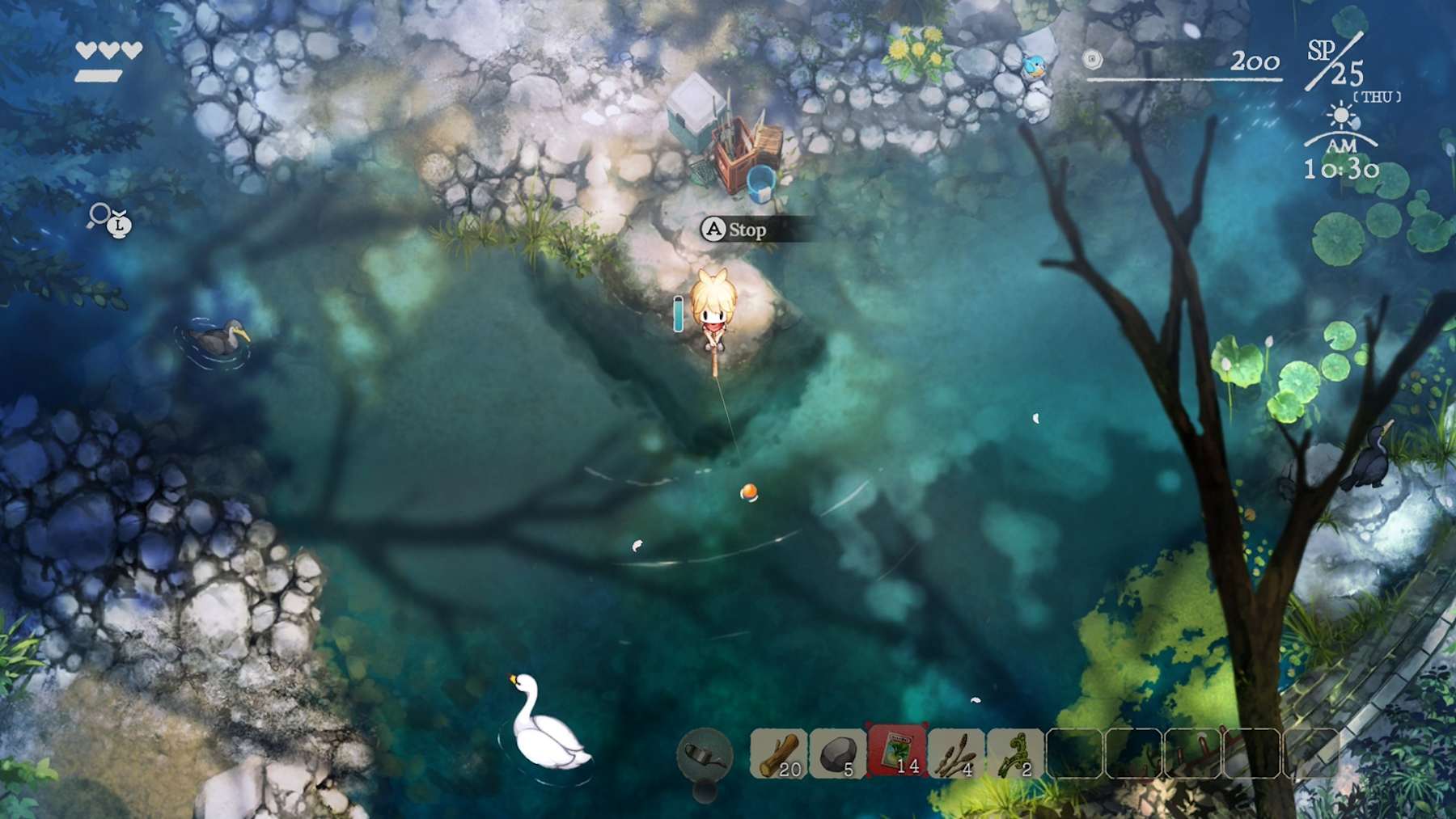
By day, Village in the Shade delivers the expected farming sim loop—tilling soil, planting, watering, harvesting, raising livestock, expanding land and customizing a home.
Mining, fishing, and hunting are present as secondary activities.
As a reviewer noted, "The core loop is familiar and executed cleanly: addictive busywork by daylight, with clear progression paths for crops and upgrades."
At night the tone shifts.
The game channels the developer's Yomawari experience into stealth and avoidance encounters with yokai rather than combat-focused confrontations.
"Nighttime exploration emphasizes vulnerability and evasion," an observation that captures the survival-horror approach: players must learn which entities can be approached, which should be avoided, and how magatama upgrades can alter outcomes.
Characters and atmosphere
Kagatsu is deliberately ambivalent—picturesque but cold.
Villagers react with suspicion, pity, or hostility; relationships develop slowly and not everyone warms to you.
The game's strength lies in a compact, well-defined cast whose secrets and motivations unfold over time, producing tension that complements the horror and daily routines.
Technical notes and accessibility
Visually, Village in the Shade inherits a strong, soft-palette aesthetic and an isometric perspective that holds up on both docked Switch 2 and handheld.
The title includes a "Village in the Sunshine" mode that removes horror elements for players who prefer a pure farm-sim experience.
One common criticism is pacing: forced tutorials and the lack of a manual save can frustrate some players, though day length is relatively short.
Conclusion
Village in the Shade is a rare experiment in cross-genre design, blending the comforting rhythms of farming sims with the unease of yokai-led horror.
With a release on Nintendo Switch on October 27, 2026, and pedigree from Nippon Ichi Software and NIS America, it provides a fresh, if patient, experience for fans of both genres.